Compliance Just Got Easier: Stay ahead of regulatory changes with instant notifications on updates that matter.
['HAZWOPER']
['HAZWOPER', 'HAZWOPER Emergency Response']
01/27/2026

Copyright 2026 J. J. Keller & Associate, Inc. For re-use options please contact copyright@jjkeller.com or call 800-558-5011.
:
|
InstituteHAZWOPERHAZWOPER Emergency ResponseSafety & HealthGeneral Industry SafetyHAZWOPERUSAEnglishAnalysisFocus AreaIn Depth (Level 3)
Releases that are clearly incidental
['HAZWOPER']
- Releases involving limited quantities of hazardous substance and posing no immediate threat to health or safety are considered “incidental.”
- Incidental releases are not covered by HAZWOPER.
The Hazardous Waste Operations and Emergency Response (HAZWOPER) Standard does not cover the foreseeable release of a hazardous substance that is limited in quantity and poses no emergency or significant threat to the safety and health of employees in the immediate vicinity. This type of release is referred to as an “incidental release.”
An incidental release doesn’t pose a significant safety or health hazard to employees who are cleaning it up, nor does it have the potential to quickly become an emergency. As stated, incidental releases are limited in quantity, exposure potential, or toxicity and present only minor safety or health hazards.
If the hazardous substances in the work area are always stored in very small quantities, such as at a laboratory that handles amounts from test tubes to pints, and the hazardous substances do not pose a significant safety and health threat at that volume, then the risks of having a release that escalates into an emergency are minimal. In this setting, incidental releases will generally be the norm, and employees will be trained to protect themselves as per the training requirements of 29 CFR 1910.1200 and 29 CFR 1910 Subpart I.
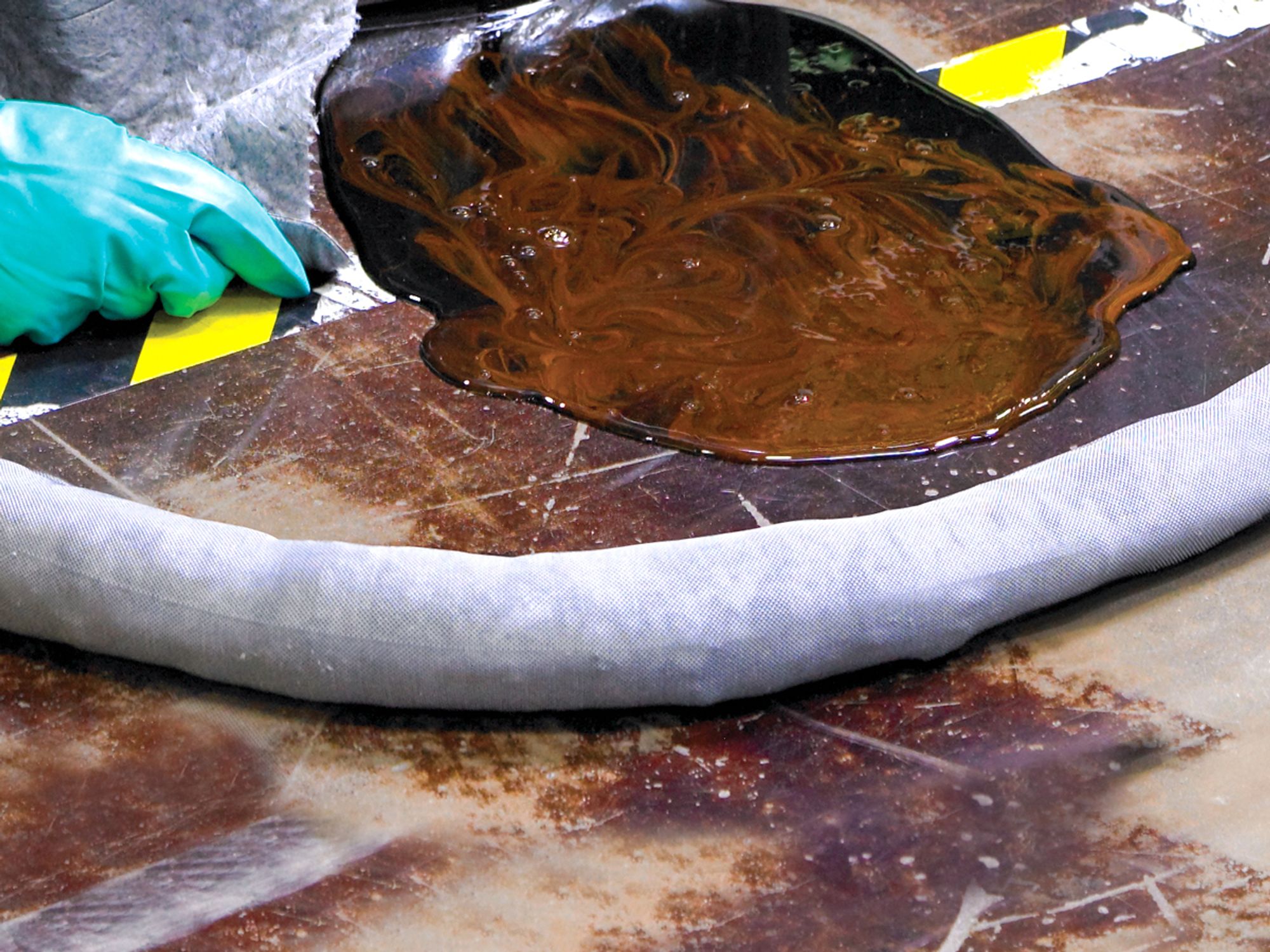
Another example is a tanker truck receiving a load of hazardous materials at a tanker truck loading station. At the time of an accidental spill, the product can be contained by employees in the immediate vicinity and cleaned up utilizing absorbent without posing a threat to employee safety or health. As such, the employer may respond to certain incidental releases.
A third example of an incidental release is maintenance personnel who are repairing a small leak that resulted from a routine maintenance activity and can be readily repaired or does not need to be taken care of immediately, i.e., the safety and health of the employees are not threatened if an immediate response is not initiated.
:
hazwoper
hazwoper
FOUNDATIONAL LEARNING
Releases that are clearly incidental
InstituteHAZWOPERHAZWOPER Emergency ResponseSafety & HealthGeneral Industry SafetyHAZWOPERUSAEnglishAnalysisFocus AreaIn Depth (Level 3)
['HAZWOPER']
- Releases involving limited quantities of hazardous substance and posing no immediate threat to health or safety are considered “incidental.”
- Incidental releases are not covered by HAZWOPER.
The Hazardous Waste Operations and Emergency Response (HAZWOPER) Standard does not cover the foreseeable release of a hazardous substance that is limited in quantity and poses no emergency or significant threat to the safety and health of employees in the immediate vicinity. This type of release is referred to as an “incidental release.”
An incidental release doesn’t pose a significant safety or health hazard to employees who are cleaning it up, nor does it have the potential to quickly become an emergency. As stated, incidental releases are limited in quantity, exposure potential, or toxicity and present only minor safety or health hazards.
If the hazardous substances in the work area are always stored in very small quantities, such as at a laboratory that handles amounts from test tubes to pints, and the hazardous substances do not pose a significant safety and health threat at that volume, then the risks of having a release that escalates into an emergency are minimal. In this setting, incidental releases will generally be the norm, and employees will be trained to protect themselves as per the training requirements of 29 CFR 1910.1200 and 29 CFR 1910 Subpart I.
Another example is a tanker truck receiving a load of hazardous materials at a tanker truck loading station. At the time of an accidental spill, the product can be contained by employees in the immediate vicinity and cleaned up utilizing absorbent without posing a threat to employee safety or health. As such, the employer may respond to certain incidental releases.
A third example of an incidental release is maintenance personnel who are repairing a small leak that resulted from a routine maintenance activity and can be readily repaired or does not need to be taken care of immediately, i.e., the safety and health of the employees are not threatened if an immediate response is not initiated.
2656950441
2656951672
UPGRADE TO CONTINUE READING
RELATED TOPICS
J. J. Keller is the trusted source for DOT / Transportation, OSHA / Workplace Safety, Human Resources, Construction Safety and Hazmat / Hazardous Materials regulation compliance products and services. J. J. Keller helps you increase safety awareness, reduce risk, follow best practices, improve safety training, and stay current with changing regulations.
Copyright 2026 J. J. Keller & Associate, Inc. For re-use options please contact copyright@jjkeller.com or call 800-558-5011.