Compliance Just Got Easier: Stay ahead of regulatory changes with instant notifications on updates that matter.
['HAZWOPER']
['HAZWOPER', 'HAZWOPER Emergency Response']
01/27/2026

Copyright 2026 J. J. Keller & Associate, Inc. For re-use options please contact copyright@jjkeller.com or call 800-558-5011.
:
|
InstituteHAZWOPERHAZWOPER Emergency ResponseSafety & HealthGeneral Industry SafetyHAZWOPERUSAEnglishAnalysisFocus AreaIn Depth (Level 3)
Incident Command System and the On-scene Incident Commander
['HAZWOPER']
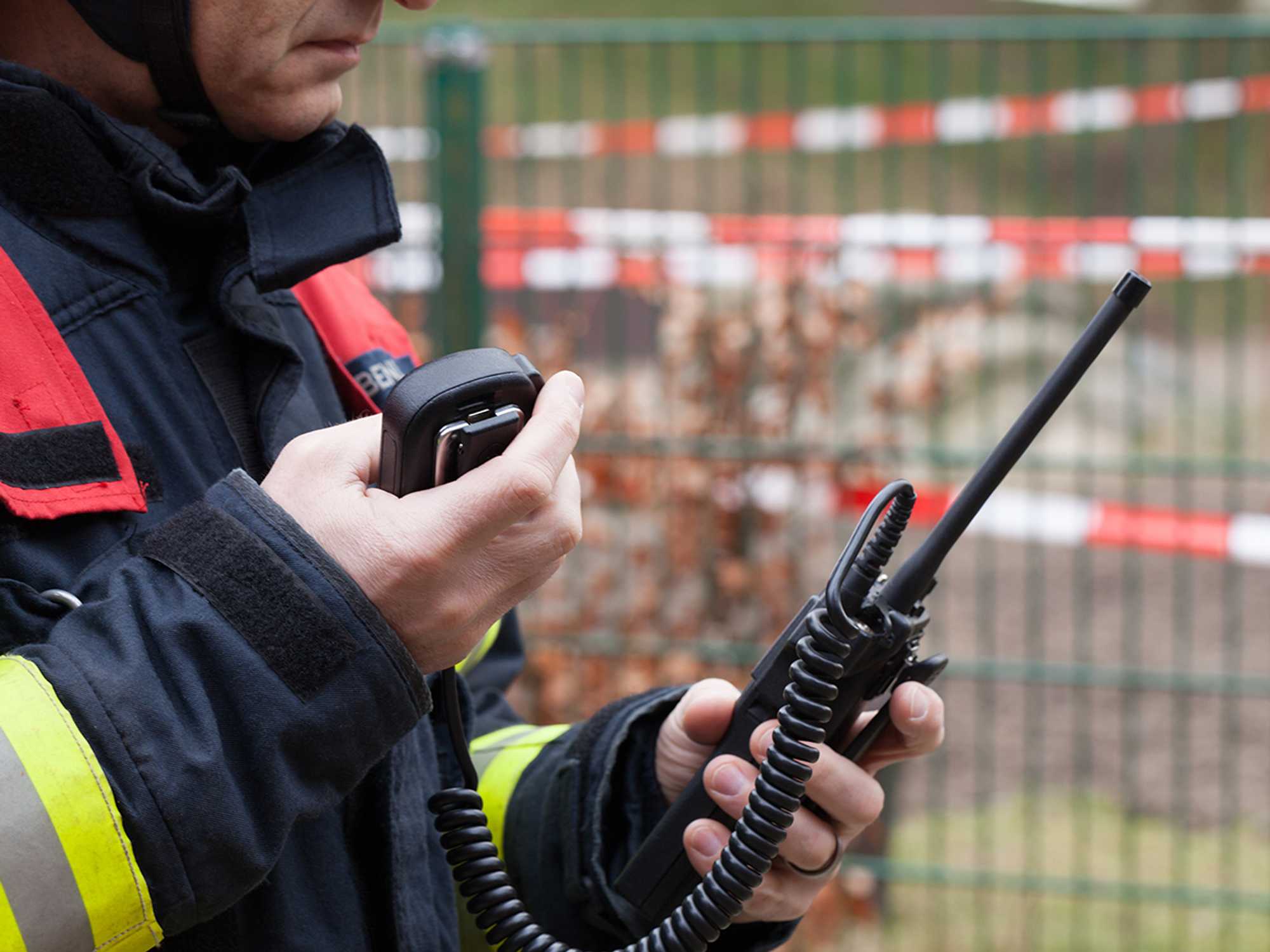
- An Incident Command System (ICS) designates one person as a central point of command to streamline communication and coordination.
During an emergency release, an Incident Command System (ICS) is used. An ICS is an organized approach required by the Occupational Safety and Health Administration (OSHA) to effectively control and manage operations at an emergency incident.
Regardless of the size or complexity of an incident, implementing an ICS designates one individual in charge who makes the decisions and gives directions. All actions and communications are coordinated through one central point of command. This system is intended to:
- Reduce confusion,
- Improve safety,
- Organize and coordinate actions, and
- Facilitate effective management of the incident.
The individual in charge of the ICS, known as the on-scene incident commander (IC), will be the senior official responding to the incident. This person is well trained in managing emergencies and is responsible for all aspects of the response.
The on-scene IC must demonstrate competence in a broad range of areas, including, but not limited to:
- Making appropriate notifications,
- Implementing the employer’s ICS,
- Implementing the employer’s emergency response plan (ERP),
- Selecting and using proper personal protective equipment (PPE),
- Understanding the hazards and risks associated with chemical protective clothing (CPC),
- Understanding the importance of decontamination procedures,
- Implementing basic decontamination procedures,
- Knowing how to implement the local ERP, and
- Knowing about the state’s ERP.
During an emergency response effort, a typical command staff would include the following roles and responsibilities:
- Information officer, whose role is to develop and release information about the incident to news media, incident personnel, and others;
- Liaison officer, whose role is to assist in communicating and coordinating with other agencies;
- Safety officer, whose role is to assess and mitigate health and safety hazards; and
- General staff, who are designated for operations, planning, logistics, finance, and administrative aspects.
The organizational structure within the ICS uses the chain of command, which establishes lines of authority, responsibility, and communication.
:
hazwoper
hazwoper
FOUNDATIONAL LEARNING
Incident Command System and the On-scene Incident Commander
InstituteHAZWOPERHAZWOPER Emergency ResponseSafety & HealthGeneral Industry SafetyHAZWOPERUSAEnglishAnalysisFocus AreaIn Depth (Level 3)
['HAZWOPER']
- An Incident Command System (ICS) designates one person as a central point of command to streamline communication and coordination.
During an emergency release, an Incident Command System (ICS) is used. An ICS is an organized approach required by the Occupational Safety and Health Administration (OSHA) to effectively control and manage operations at an emergency incident.
Regardless of the size or complexity of an incident, implementing an ICS designates one individual in charge who makes the decisions and gives directions. All actions and communications are coordinated through one central point of command. This system is intended to:
- Reduce confusion,
- Improve safety,
- Organize and coordinate actions, and
- Facilitate effective management of the incident.
The individual in charge of the ICS, known as the on-scene incident commander (IC), will be the senior official responding to the incident. This person is well trained in managing emergencies and is responsible for all aspects of the response.
The on-scene IC must demonstrate competence in a broad range of areas, including, but not limited to:
- Making appropriate notifications,
- Implementing the employer’s ICS,
- Implementing the employer’s emergency response plan (ERP),
- Selecting and using proper personal protective equipment (PPE),
- Understanding the hazards and risks associated with chemical protective clothing (CPC),
- Understanding the importance of decontamination procedures,
- Implementing basic decontamination procedures,
- Knowing how to implement the local ERP, and
- Knowing about the state’s ERP.
During an emergency response effort, a typical command staff would include the following roles and responsibilities:
- Information officer, whose role is to develop and release information about the incident to news media, incident personnel, and others;
- Liaison officer, whose role is to assist in communicating and coordinating with other agencies;
- Safety officer, whose role is to assess and mitigate health and safety hazards; and
- General staff, who are designated for operations, planning, logistics, finance, and administrative aspects.
The organizational structure within the ICS uses the chain of command, which establishes lines of authority, responsibility, and communication.
2656949279
2656952992
UPGRADE TO CONTINUE READING
RELATED TOPICS
J. J. Keller is the trusted source for DOT / Transportation, OSHA / Workplace Safety, Human Resources, Construction Safety and Hazmat / Hazardous Materials regulation compliance products and services. J. J. Keller helps you increase safety awareness, reduce risk, follow best practices, improve safety training, and stay current with changing regulations.
Copyright 2026 J. J. Keller & Associate, Inc. For re-use options please contact copyright@jjkeller.com or call 800-558-5011.