Compliance Just Got Easier: Stay ahead of regulatory changes with instant notifications on updates that matter.
['Hazmat: Air']
['Hazmat: Air']
12/01/2023

Copyright 2026 J. J. Keller & Associate, Inc. For re-use options please contact copyright@jjkeller.com or call 800-558-5011.
:
|
InstituteHazmat: AirIn Depth Sub Topics (Level 4)Hazmat SafetyHazmat EdgeFocus AreaUSAEnglishAnalysisTransportationHazmat: Air
Damaged dangerous goods packages under IATA
['Hazmat: Air']
- Packages and overpacks must be inspected for leaks or other damage. If such damage is found, the area must be inspected for contamination, and the contamination removed.
- If infectious substances are involved, the proper public health authorities must be notified.
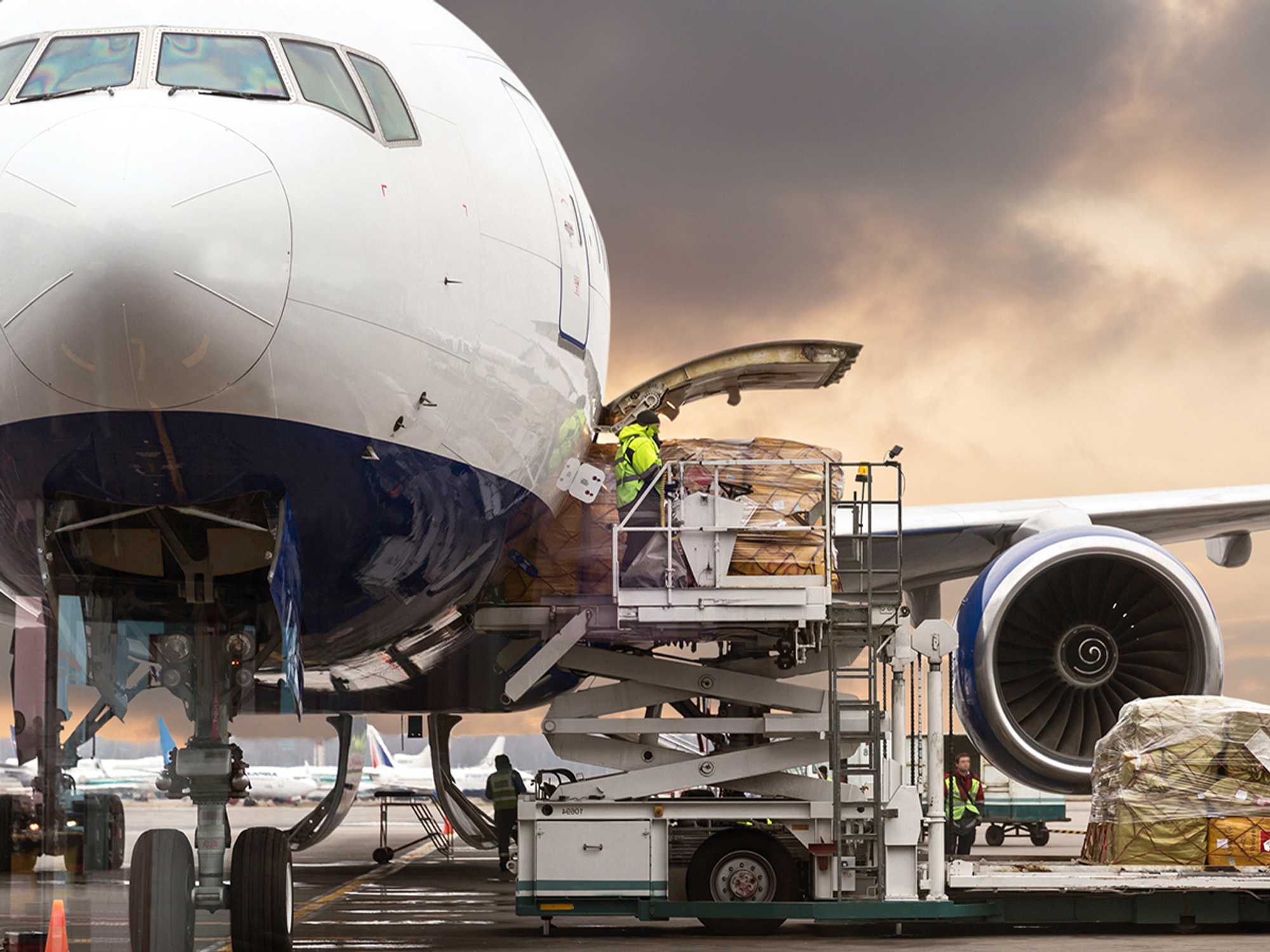
Operators are required to ensure dangerous goods packages are protected from damage. Packages must be secure to prevent movement during transport.
Packages and overpacks must be inspected to ensure they are not leaking or damaged. Before loading on an aircraft, unit load devices must be free of leaks or damage.
If labels are lost or illegible, the operator is required to replace them (does not apply if the labels are missing or illegible when the package is accepted).
Before unloading from the aircraft or unit load device, packages and overpacks must be inspected for signs of damage or leaking. If damage or leaks are found, the area around the dangerous goods on the aircraft must be inspected for damage or contamination. Any contamination must be removed.
If packages contain infectious substances and are found to be damaged or leaking, the person who noticed the issue must avoid handling the package (or keep handling to a minimum), inspect surrounding areas, inform the public health authority or veterinary authority in the countries of transit to inform them of the potential danger, and notify the shipper and/or the consignee.
:
hazmat-air
hazmat-air
FOUNDATIONAL LEARNING
Damaged dangerous goods packages under IATA
InstituteHazmat: AirIn Depth Sub Topics (Level 4)Hazmat SafetyHazmat EdgeFocus AreaUSAEnglishAnalysisTransportationHazmat: Air
['Hazmat: Air']
- Packages and overpacks must be inspected for leaks or other damage. If such damage is found, the area must be inspected for contamination, and the contamination removed.
- If infectious substances are involved, the proper public health authorities must be notified.
Operators are required to ensure dangerous goods packages are protected from damage. Packages must be secure to prevent movement during transport.
Packages and overpacks must be inspected to ensure they are not leaking or damaged. Before loading on an aircraft, unit load devices must be free of leaks or damage.
If labels are lost or illegible, the operator is required to replace them (does not apply if the labels are missing or illegible when the package is accepted).
Before unloading from the aircraft or unit load device, packages and overpacks must be inspected for signs of damage or leaking. If damage or leaks are found, the area around the dangerous goods on the aircraft must be inspected for damage or contamination. Any contamination must be removed.
If packages contain infectious substances and are found to be damaged or leaking, the person who noticed the issue must avoid handling the package (or keep handling to a minimum), inspect surrounding areas, inform the public health authority or veterinary authority in the countries of transit to inform them of the potential danger, and notify the shipper and/or the consignee.
2657906459
2657906460
UPGRADE TO CONTINUE READING
RELATED TOPICS
J. J. Keller is the trusted source for DOT / Transportation, OSHA / Workplace Safety, Human Resources, Construction Safety and Hazmat / Hazardous Materials regulation compliance products and services. J. J. Keller helps you increase safety awareness, reduce risk, follow best practices, improve safety training, and stay current with changing regulations.
Copyright 2026 J. J. Keller & Associate, Inc. For re-use options please contact copyright@jjkeller.com or call 800-558-5011.