Compliance Just Got Easier: Stay ahead of regulatory changes with instant notifications on updates that matter.
['Entry-Level driver training', 'Commercial drivers license CDL']
['CDL endorsements and restrictions', 'Commercial drivers license information system (CDLIS)', 'Entry-level driver training', 'Commercial drivers license CDL', 'Commercial learners permit CLP']
09/28/2026

Copyright 2026 J. J. Keller & Associate, Inc. For re-use options please contact copyright@jjkeller.com or call 800-558-5011.
:
|
InstituteCommercial drivers license CDLCommercial learners permit CLPEntry-Level driver trainingEntry-level driver trainingCommercial drivers license CDLCDL endorsements and restrictionsFocus AreaEnglishAnalysisCommercial drivers license information system (CDLIS)Compliance and Exceptions (Level 2)USA
Commercial Driver’s License Information System (CDLIS)
['Entry-Level driver training', 'Commercial drivers license CDL']
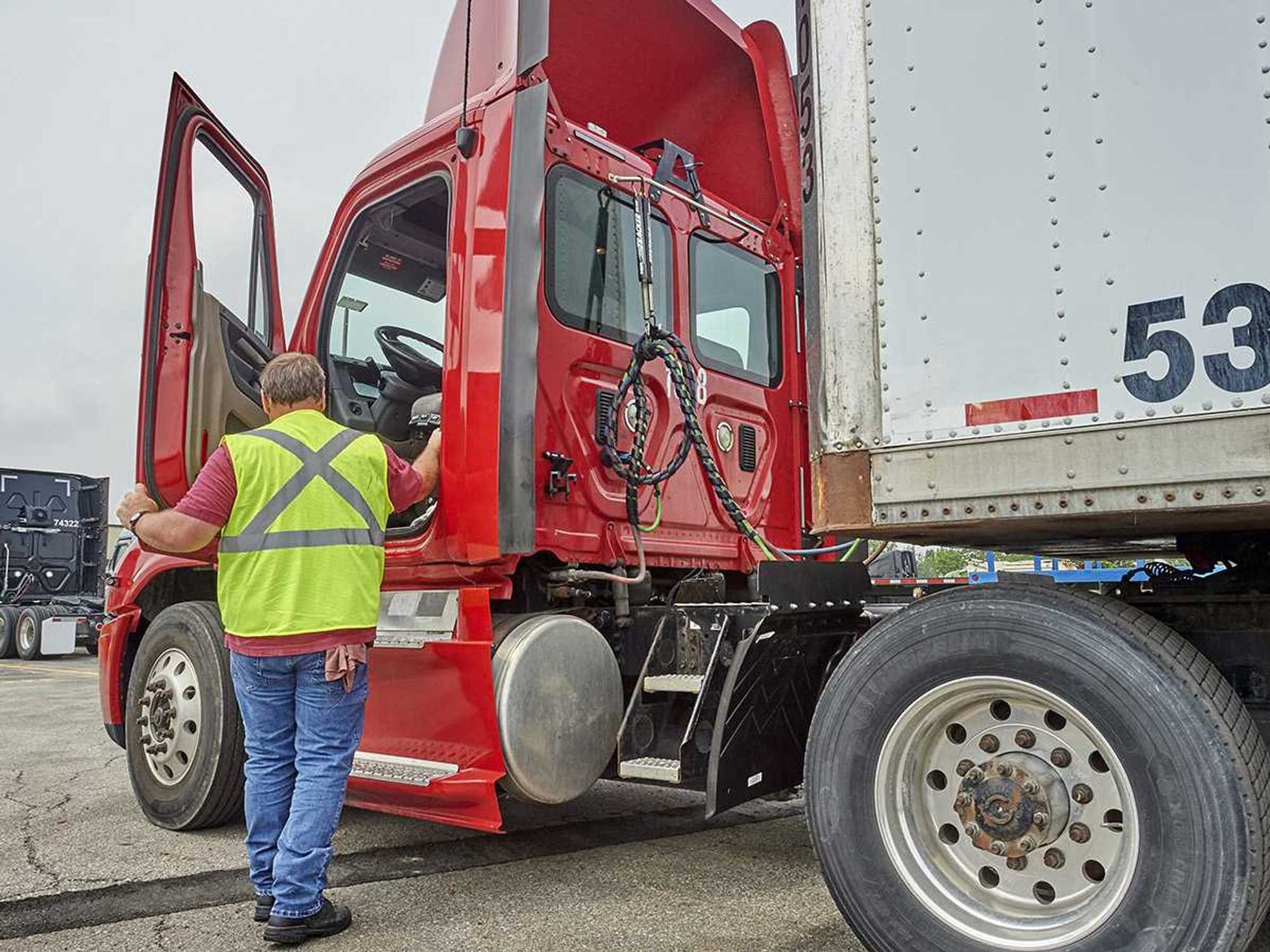
- The 50 states and the District of Columbia use the Commercial Driver's License Information System (CDLIS) and the National Driver Register (NDR) to check the driving record of commercial driver's license (CDL) applicants and to make sure applicants do not already have a CDL.
- When a state motor vehicle agency asks the CDLIS for information about an applicant for a CDL, CDLIS compares the data from the State of Inquiry (SOI) against all records in CDLIS and, if one or more matches are found, “points” the SOI to the current “state of record” so that it may obtain detailed information about the applicant’s commercial driving history.
As the result of the Commercial Motor Vehicle Safety Act (CMVSA) of 1986, the Commercial Driver’s License Information System (CDLIS) and the National Driver Register (NDR) were created to support the issuance of commercial driver licenses (CDLs) by the jurisdictions. The combined use of the CDLIS and NDR is designed to ensure that each commercial motor vehicle (CMV) driver has only one driver’s license and one driving record. This goal is achieved through the cooperative exchange of information about CMV drivers, traffic convictions, and disqualifications. A state must use both the CDLIS and NDR to check a driver’s record, and the CDLIS to make certain that the applicant does not already have a CDL.
CDLIS has operated in all 51 U.S. jurisdictions (50 states and the District of Columbia) since April 1, 1992.
The CDLIS Central Site is managed by Electronic Data Systems (EDS) and consists of this Central Site and nodes at the Motor Vehicle Agencies (MVAs) of the 51 jurisdictions. The Central Site houses identification data about each commercial driver registered in the jurisdictions, such as:
- Name
- Date of birth
- Social Security Number
- State driver license number
- AKA information
- Current “State of Record” (SOR)
This information constitutes a driver’s unique CDLIS Master Pointer Record (MPR). Each MVA houses detailed information about each driver for which it is the SOR. This detailed information, called the driver history, includes:
- Identification information;
- License information;
- A history of convictions, withdrawals, and disqualifications;
- Medical certification status information, including information from the driver’s medical exam certificate; and
- Driver self-certification for the type of driving operation(s) engaged in.
When a jurisdiction MVA queries CDLIS to obtain information about an applicant prior to issuing a CDL, the CDLIS Central Site compares data provided by the State of Inquiry (SOI) against all MPRs in CDLIS.
If one or more matches are returned, then the CDLIS Central Site “points” the SOI to the SOR. The SOR can then provide the detailed information about the driver’s commercial driving history.
Employers, prospective employers, and drivers may request information from CDLIS by contacting the appropriate licensing agency.
:
entry-level-driver-training
FOUNDATIONAL LEARNING
InstituteCommercial drivers license CDLCommercial learners permit CLPEntry-Level driver trainingEntry-level driver trainingCommercial drivers license CDLCDL endorsements and restrictionsFocus AreaEnglishAnalysisCommercial drivers license information system (CDLIS)Compliance and Exceptions (Level 2)USA
Commercial Driver’s License Information System (CDLIS)
Commercial Driver’s License Information System (CDLIS)
InstituteCommercial drivers license CDLCommercial learners permit CLPEntry-Level driver trainingEntry-level driver trainingCommercial drivers license CDLCDL endorsements and restrictionsFocus AreaEnglishAnalysisCommercial drivers license information system (CDLIS)Compliance and Exceptions (Level 2)USA
['Entry-Level driver training', 'Commercial drivers license CDL']
- The 50 states and the District of Columbia use the Commercial Driver's License Information System (CDLIS) and the National Driver Register (NDR) to check the driving record of commercial driver's license (CDL) applicants and to make sure applicants do not already have a CDL.
- When a state motor vehicle agency asks the CDLIS for information about an applicant for a CDL, CDLIS compares the data from the State of Inquiry (SOI) against all records in CDLIS and, if one or more matches are found, “points” the SOI to the current “state of record” so that it may obtain detailed information about the applicant’s commercial driving history.
As the result of the Commercial Motor Vehicle Safety Act (CMVSA) of 1986, the Commercial Driver’s License Information System (CDLIS) and the National Driver Register (NDR) were created to support the issuance of commercial driver licenses (CDLs) by the jurisdictions. The combined use of the CDLIS and NDR is designed to ensure that each commercial motor vehicle (CMV) driver has only one driver’s license and one driving record. This goal is achieved through the cooperative exchange of information about CMV drivers, traffic convictions, and disqualifications. A state must use both the CDLIS and NDR to check a driver’s record, and the CDLIS to make certain that the applicant does not already have a CDL.
CDLIS has operated in all 51 U.S. jurisdictions (50 states and the District of Columbia) since April 1, 1992.
The CDLIS Central Site is managed by Electronic Data Systems (EDS) and consists of this Central Site and nodes at the Motor Vehicle Agencies (MVAs) of the 51 jurisdictions. The Central Site houses identification data about each commercial driver registered in the jurisdictions, such as:
- Name
- Date of birth
- Social Security Number
- State driver license number
- AKA information
- Current “State of Record” (SOR)
This information constitutes a driver’s unique CDLIS Master Pointer Record (MPR). Each MVA houses detailed information about each driver for which it is the SOR. This detailed information, called the driver history, includes:
- Identification information;
- License information;
- A history of convictions, withdrawals, and disqualifications;
- Medical certification status information, including information from the driver’s medical exam certificate; and
- Driver self-certification for the type of driving operation(s) engaged in.
When a jurisdiction MVA queries CDLIS to obtain information about an applicant prior to issuing a CDL, the CDLIS Central Site compares data provided by the State of Inquiry (SOI) against all MPRs in CDLIS.
If one or more matches are returned, then the CDLIS Central Site “points” the SOI to the SOR. The SOR can then provide the detailed information about the driver’s commercial driving history.
Employers, prospective employers, and drivers may request information from CDLIS by contacting the appropriate licensing agency.
2656872767
2656867201
UPGRADE TO CONTINUE READING
J. J. Keller is the trusted source for DOT / Transportation, OSHA / Workplace Safety, Human Resources, Construction Safety and Hazmat / Hazardous Materials regulation compliance products and services. J. J. Keller helps you increase safety awareness, reduce risk, follow best practices, improve safety training, and stay current with changing regulations.
Copyright 2026 J. J. Keller & Associate, Inc. For re-use options please contact copyright@jjkeller.com or call 800-558-5011.