
Worker Protection Standard (WPS)
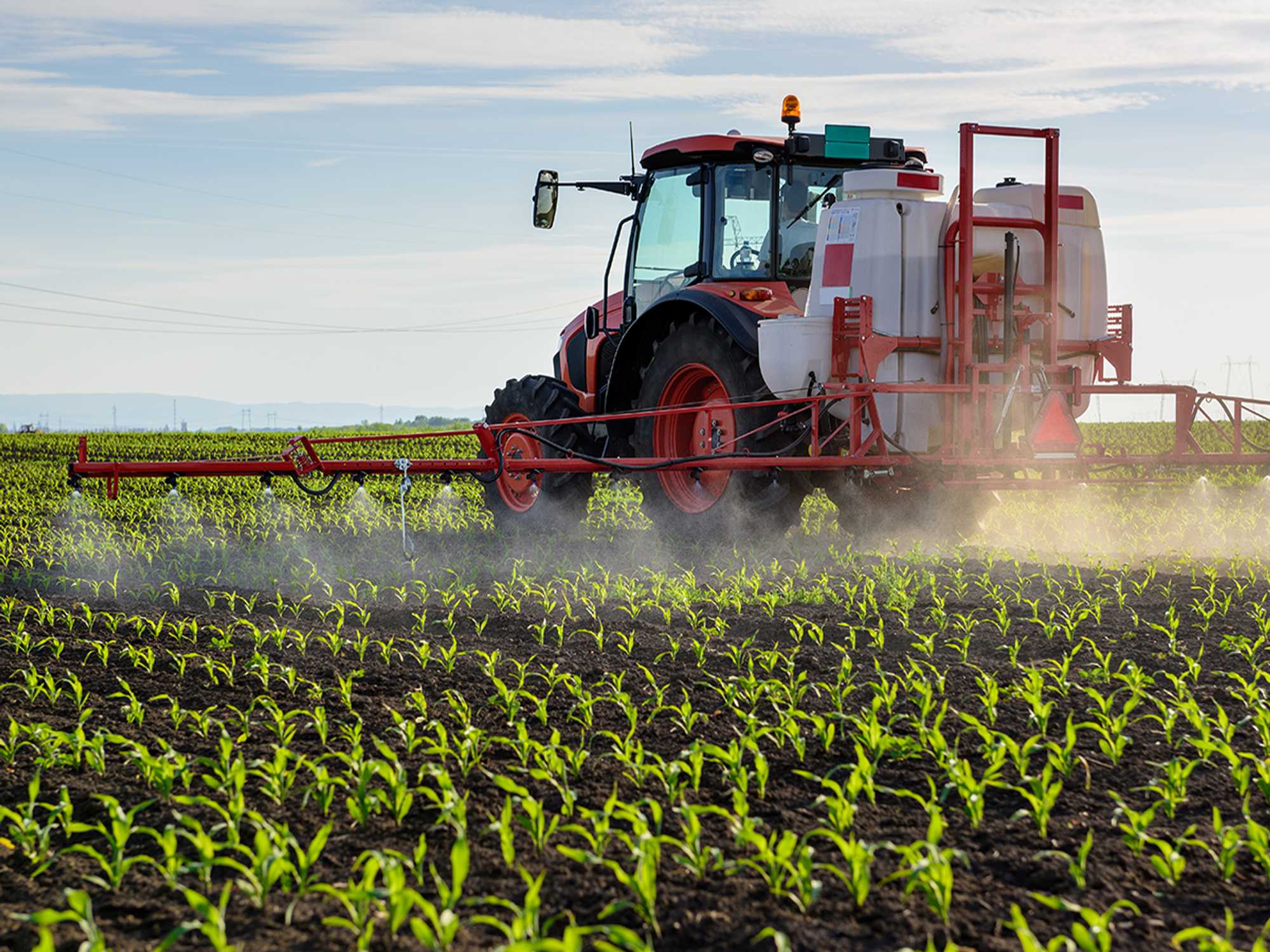
- The WPS requires agricultural employers and commercial pesticide handler employers to provide specific information and protections to workers and handlers when WPS-labeled pesticide products are used on agricultural establishments in the production of agricultural plants.
The Environmental Protection Agency (EPA) originally issued 40 CFR 170, the Worker Protection Standard (WPS), in 1992 and subsequently revised it in 2015. The regulation is primarily intended to reduce the risks of illness or injury to workers and handlers resulting from occupational exposures to pesticides used in the production of agricultural plants on agricultural establishments (i.e., farms, forests, nurseries, and enclosed space production facilities such as greenhouses).
Workers are generally those who perform hand-labor tasks in pesticide-treated crops, such as harvesting, thinning, and pruning. Handlers are usually those that are in direct contact with pesticides such as mixing, loading, or applying pesticides.
The 2015 revisions to the WPS strengthened elements of the existing regulation to better protect workers and handlers from occupational exposure to pesticides and reduce the number of potentially preventable pesticide incidents and illnesses. The 2015 revisions also ensured that workers and handlers receive workplace protections comparable to those that are already provided to workers in other industries while still considering the unique needs of agricultural operations.
The WPS requires agricultural employers and commercial pesticide handler employers to provide specific information and protections to workers, handlers, and other persons when WPS-labeled pesticide products are used on agricultural establishments in the production of agricultural plants. It also requires owners of agricultural establishments to provide certain protections for themselves and their immediate family, requires handlers to wear the labeling-specified clothing and personal protective equipment when performing handler activities, and to take measures to protect workers and other persons during pesticide applications.