Compliance Just Got Easier: Stay ahead of regulatory changes with instant notifications on updates that matter.
['Personal Protective Equipment']
['Eye and Face Protection']
11/05/2026

Copyright 2026 J. J. Keller & Associate, Inc. For re-use options please contact copyright@jjkeller.com or call 800-558-5011.
:
|
InstituteEye and Face ProtectionPersonal Protective EquipmentSafety & HealthIn Depth Sub Topics (Level 4)General Industry SafetyEnglishAnalysisFocus AreaUSA
What are the types of eye and face protection?
['Personal Protective Equipment']
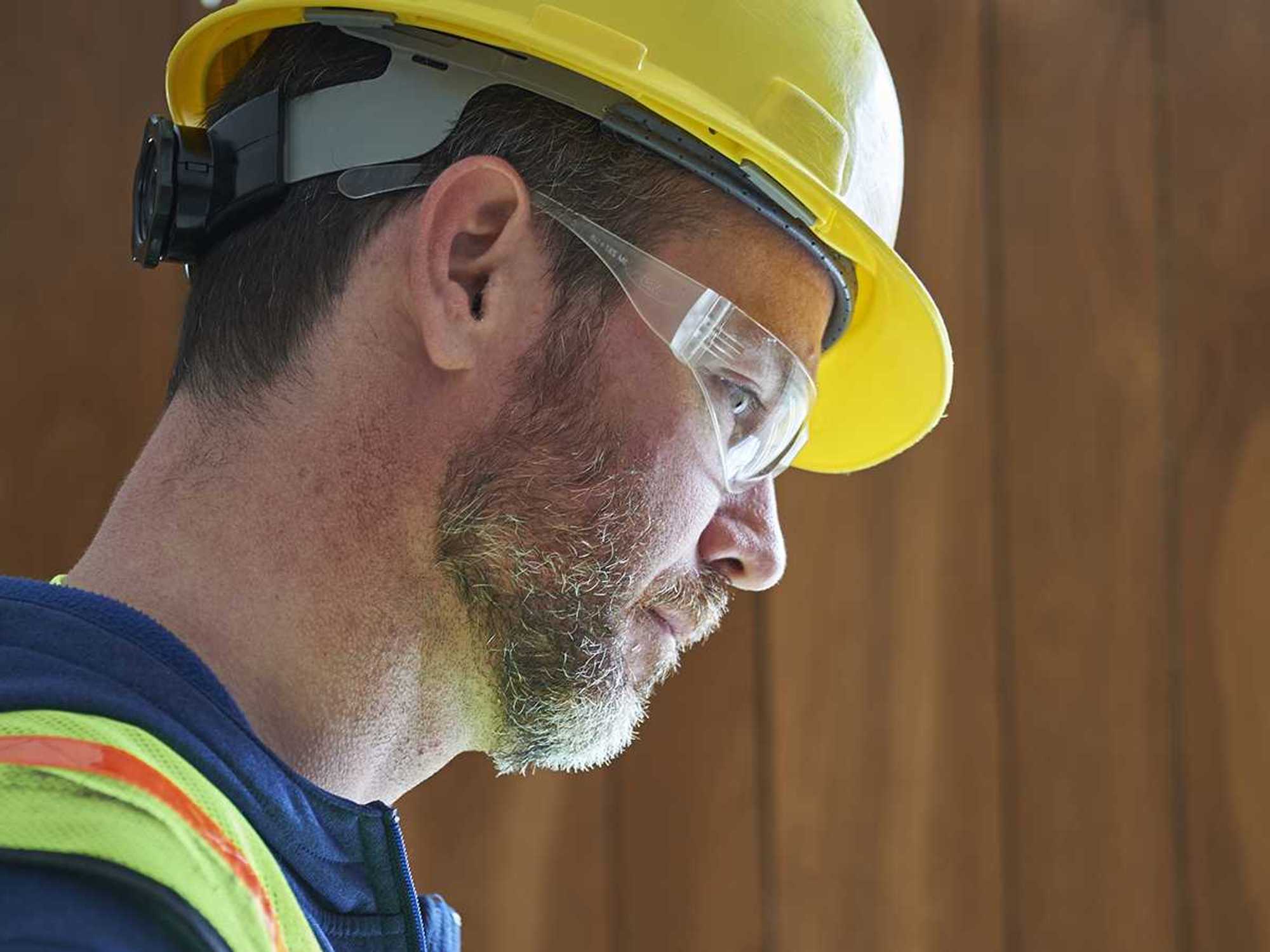
- The main types of eye and face protection include face shields, safety spectacles and goggles, and side shields.
- Each type of protection comes in several styles depending on the hazard and the needs of the user.
Selecting the most suitable eye and face protection for employees should take into consideration the following elements:
- Ability to protect against specific workplace hazards.
- Should fit properly and be reasonably comfortable to wear.
- Should provide unrestricted vision and movement.
- Should be durable and cleanable.
- Should allow unrestricted functioning of any other required PPE.
The eye and face protection selected for employee use must clearly identify the manufacturer.
An employer may choose to provide one pair of protective eyewear for each position rather than individual eyewear for each employee. If this is done, the employer must make sure that employees disinfect shared protective eyewear after each use. Protective eyewear with corrective lenses may only be used by the employee for whom the corrective prescription was issued and may not be shared among employees. Some of the most common types of eye and face protection include:
Safety spectacles: These protective eyeglasses have safety frames constructed of metal or plastic and impact-resistant lenses. Side shields are available on some models.
Goggles: These are a type of tight-fitting eye protection that completely covers the eyes, eye sockets, and the facial area immediately surrounding the eyes and provide protection from impact, dust, and splashes. Some goggles will fit over corrective lenses.
Welding shields: Constructed of vulcanized fiber or fiberglass and fitted with a filtered lens, welding shields protect eyes from burns caused by infrared or intense radiant light; they also protect both the eyes and face from flying sparks, metal spatter, and slag chips produced during welding, brazing, soldering, and cutting operations. The Occupational Health and Safety Administration (OSHA) requires filter lenses to have a shade number appropriate to protect against the specific hazards of the work being performed in order to protect against harmful light radiation.
Laser safety goggles: These specialty goggles protect against intense concentrations of light produced by lasers. The type of laser safety goggles an employer chooses will depend upon the equipment and operating conditions in the workplace.
Face shields: These transparent sheets of plastic extend from the eyebrows to below the chin and across the entire width of the employee’s head. Some are polarized for glare protection. Face shields protect against nuisance dusts and potential splashes or sprays of hazardous liquids but will not provide adequate protection against impact hazards. Face shields used in combination with goggles or safety spectacles will provide additional protection against impact hazards.
Each type of protective eyewear is designed to protect against specific hazards. Employers can identify the specific workplace hazards that threaten employees’ eyes and faces by completing a hazard assessment.
Welding operations
The intense light associated with welding operations can cause serious and sometimes permanent eye damage if operators do not wear proper eye protection. The intensity of light or radiant energy produced by welding, cutting, or brazing operations varies according to several factors including the task producing the light, the electrode size, and the arc current.
Laser operations
Laser light radiation can be extremely dangerous to the unprotected eye and direct or reflected beams can cause permanent eye damage. Laser retinal burns can be painless, so it is essential that all personnel in or around laser operations wear appropriate eye protection.
Laser safety goggles should protect for the specific wavelength of the laser and must be of sufficient optical density for the energy involved. Safety goggles intended for use with laser beams must be labeled with the laser wavelengths for which they are intended to be used, the optical density of those wavelengths, and the visible light transmission.
What are the criteria for eye and face protection?
Eye and face protection equipment must meet the requirements specified in any of these American National Standards Institute (ANSI)/International Safety Equipment Association (ISEA) standards:
- ANSI/ISEA Z87.1-2010, Occupational and Educational Personal Eye and Face Protection Devices, Approved April 3, 2010; IBR approved for 1926.102(b).
- ANSI Z87.1-2003, Occupational and Educational Personal Eye and Face Protection Devices, Approved June 19, 2003; IBR approved for 1926.102(b).
- ANSI Z87.1-1989 (R-1998), Practice for Occupational and Educational Eye and Face Protection, Reaffirmation approved January 4, 1999; IBR approved for 1926.102(b).
The American National Standard for Occupational and Educational Personal Eye and Face Protection, ANSI/ISEA Z87.1-2015, provides guidelines for occupational eye and face protection devices including safety glasses/goggles, face shields, and welding helmets.
That version emphasizes the need to maintain requirements that reflect safety standards used in other countries, including the ability of the equipment to withstand impacts, and the level of protection that welding helmets provide. It also addresses evolving technologies and new safety hazards that may be produced by these technologies.
OSHA incorporates ANSI/ISEA Z87 into its regulations covering personal protective equipment. The updated standard is available from ANSI.
:
personal-protective-equipment
FOUNDATIONAL LEARNING
What are the types of eye and face protection?
InstituteEye and Face ProtectionPersonal Protective EquipmentSafety & HealthIn Depth Sub Topics (Level 4)General Industry SafetyEnglishAnalysisFocus AreaUSA
['Personal Protective Equipment']
- The main types of eye and face protection include face shields, safety spectacles and goggles, and side shields.
- Each type of protection comes in several styles depending on the hazard and the needs of the user.
Selecting the most suitable eye and face protection for employees should take into consideration the following elements:
- Ability to protect against specific workplace hazards.
- Should fit properly and be reasonably comfortable to wear.
- Should provide unrestricted vision and movement.
- Should be durable and cleanable.
- Should allow unrestricted functioning of any other required PPE.
The eye and face protection selected for employee use must clearly identify the manufacturer.
An employer may choose to provide one pair of protective eyewear for each position rather than individual eyewear for each employee. If this is done, the employer must make sure that employees disinfect shared protective eyewear after each use. Protective eyewear with corrective lenses may only be used by the employee for whom the corrective prescription was issued and may not be shared among employees. Some of the most common types of eye and face protection include:
Safety spectacles: These protective eyeglasses have safety frames constructed of metal or plastic and impact-resistant lenses. Side shields are available on some models.
Goggles: These are a type of tight-fitting eye protection that completely covers the eyes, eye sockets, and the facial area immediately surrounding the eyes and provide protection from impact, dust, and splashes. Some goggles will fit over corrective lenses.
Welding shields: Constructed of vulcanized fiber or fiberglass and fitted with a filtered lens, welding shields protect eyes from burns caused by infrared or intense radiant light; they also protect both the eyes and face from flying sparks, metal spatter, and slag chips produced during welding, brazing, soldering, and cutting operations. The Occupational Health and Safety Administration (OSHA) requires filter lenses to have a shade number appropriate to protect against the specific hazards of the work being performed in order to protect against harmful light radiation.
Laser safety goggles: These specialty goggles protect against intense concentrations of light produced by lasers. The type of laser safety goggles an employer chooses will depend upon the equipment and operating conditions in the workplace.
Face shields: These transparent sheets of plastic extend from the eyebrows to below the chin and across the entire width of the employee’s head. Some are polarized for glare protection. Face shields protect against nuisance dusts and potential splashes or sprays of hazardous liquids but will not provide adequate protection against impact hazards. Face shields used in combination with goggles or safety spectacles will provide additional protection against impact hazards.
Each type of protective eyewear is designed to protect against specific hazards. Employers can identify the specific workplace hazards that threaten employees’ eyes and faces by completing a hazard assessment.
Welding operations
The intense light associated with welding operations can cause serious and sometimes permanent eye damage if operators do not wear proper eye protection. The intensity of light or radiant energy produced by welding, cutting, or brazing operations varies according to several factors including the task producing the light, the electrode size, and the arc current.
Laser operations
Laser light radiation can be extremely dangerous to the unprotected eye and direct or reflected beams can cause permanent eye damage. Laser retinal burns can be painless, so it is essential that all personnel in or around laser operations wear appropriate eye protection.
Laser safety goggles should protect for the specific wavelength of the laser and must be of sufficient optical density for the energy involved. Safety goggles intended for use with laser beams must be labeled with the laser wavelengths for which they are intended to be used, the optical density of those wavelengths, and the visible light transmission.
What are the criteria for eye and face protection?
Eye and face protection equipment must meet the requirements specified in any of these American National Standards Institute (ANSI)/International Safety Equipment Association (ISEA) standards:
- ANSI/ISEA Z87.1-2010, Occupational and Educational Personal Eye and Face Protection Devices, Approved April 3, 2010; IBR approved for 1926.102(b).
- ANSI Z87.1-2003, Occupational and Educational Personal Eye and Face Protection Devices, Approved June 19, 2003; IBR approved for 1926.102(b).
- ANSI Z87.1-1989 (R-1998), Practice for Occupational and Educational Eye and Face Protection, Reaffirmation approved January 4, 1999; IBR approved for 1926.102(b).
The American National Standard for Occupational and Educational Personal Eye and Face Protection, ANSI/ISEA Z87.1-2015, provides guidelines for occupational eye and face protection devices including safety glasses/goggles, face shields, and welding helmets.
That version emphasizes the need to maintain requirements that reflect safety standards used in other countries, including the ability of the equipment to withstand impacts, and the level of protection that welding helmets provide. It also addresses evolving technologies and new safety hazards that may be produced by these technologies.
OSHA incorporates ANSI/ISEA Z87 into its regulations covering personal protective equipment. The updated standard is available from ANSI.
2656867254
2656871199
UPGRADE TO CONTINUE READING
RELATED TOPICS
J. J. Keller is the trusted source for DOT / Transportation, OSHA / Workplace Safety, Human Resources, Construction Safety and Hazmat / Hazardous Materials regulation compliance products and services. J. J. Keller helps you increase safety awareness, reduce risk, follow best practices, improve safety training, and stay current with changing regulations.
Copyright 2026 J. J. Keller & Associate, Inc. For re-use options please contact copyright@jjkeller.com or call 800-558-5011.