Compliance Just Got Easier: Stay ahead of regulatory changes with instant notifications on updates that matter.
['Personal Protective Equipment']
['Personal Protective Equipment']
09/02/2026

Copyright 2026 J. J. Keller & Associate, Inc. For re-use options please contact copyright@jjkeller.com or call 800-558-5011.
:
|
InstitutePersonal Protective EquipmentSafety & HealthGeneral Industry SafetyUSAEnglishAnalysisFocus AreaPersonal Protective EquipmentIn Depth (Level 3)
Employers’ responsibility for PPE training and provision
['Personal Protective Equipment']
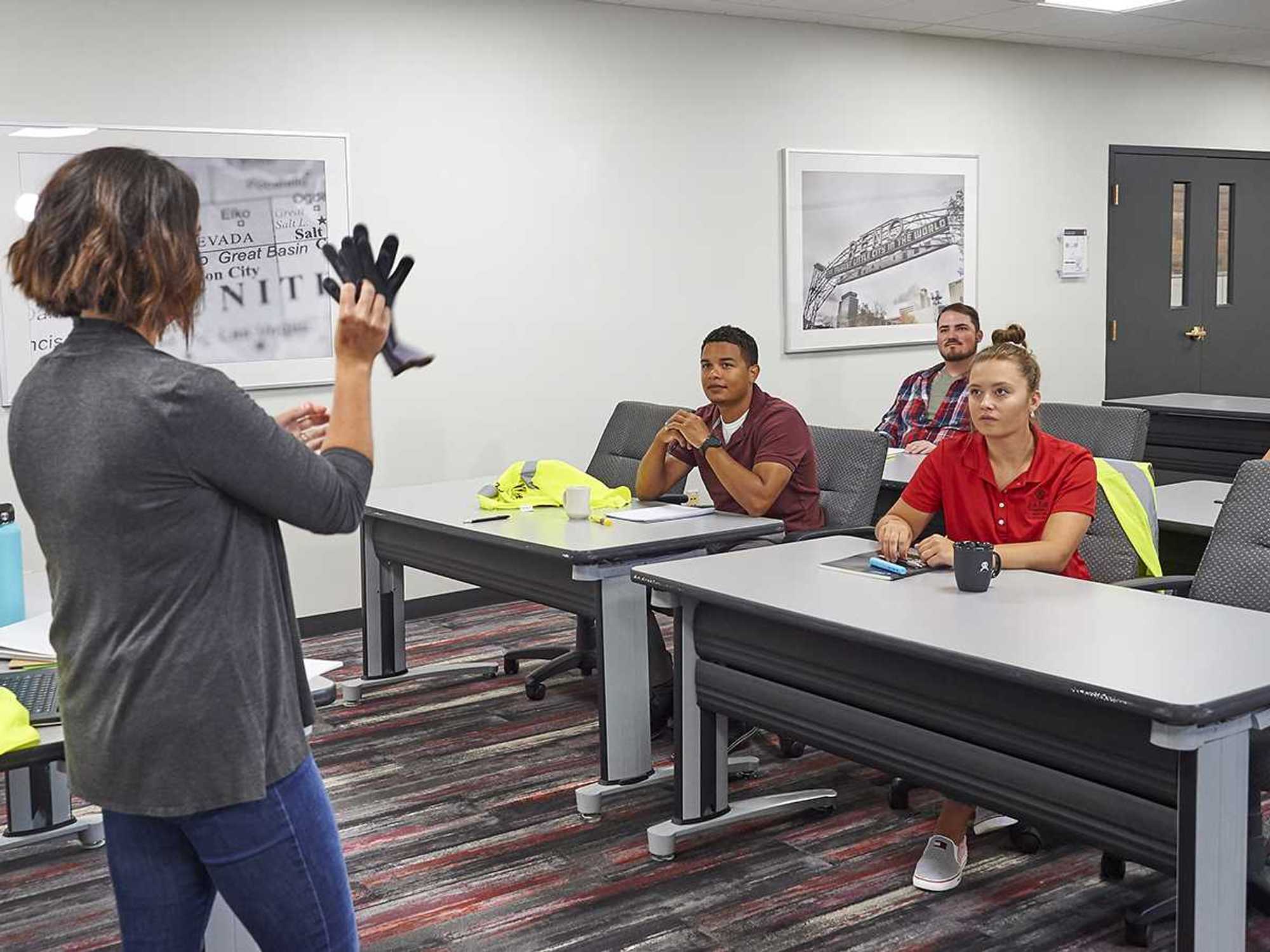
- Employers must provide training to their employees on who is required to use PPE, how to use it, and how to care for it.
- Retraining may be needed periodically if conditions in the workplace change, or an employee indicates lack of understanding of proper use of PPE.
- Most PPE must be provided by the employer with no cost to employees, with some exceptions.
Employers must provide training for each employee who is required to use eye, face, head, foot, hand, and personal fall protection. The training provisions at 1910.132(f) do not apply to respiratory protection and electrical protective equipment. Training should include:
- When PPE is necessary;
- What PPE is necessary;
- How to wear PPE;
- Limitations of the PPE; and
- The proper care, maintenance, useful life, and disposal of the PPE.
Employees must demonstrate an understanding of the training and the ability to use the PPE properly before being allowed to perform work requiring the use of the equipment.
If there is reason to believe an employee doesn’t have the necessary understanding or skill, retraining may be needed. Circumstances where retraining may be required include:
- Changes in the workplace,
- Changes in the types of PPE to be used, or
- Inadequacies in an employee’s knowledge or use of the assigned PPE that indicate the employee doesn’t have the necessary understanding or skills.
Payment for personal protective equipment
Under the requirements, most PPE must be provided at no cost to employees. However, there are a few exceptions. The following do not have to be paid for by the employer:
- Non-specialty safety-toe protective footwear (including steel-toe shoes or boots) and non-specialty prescription safety eyewear provided that the employer permits such items to be worn off the job site.
- Everyday clothing, such as long-sleeve shirts, long pants, street shoes, and normal work boots.
- Ordinary clothing, skin creams, or other items used solely for protection from weather, such as winter coats, jackets, gloves, parkas, rubber boots, hats, raincoats, ordinary sunglasses, and sunscreen.
- Items such as hair nets and gloves worn by food workers for consumer safety.
- Lifting belts, because their value in protecting the back is questionable.
- Replacement PPE, when an employee has lost or intentionally damaged the PPE and it must be replaced.
:
personal-protective-equipment
personal-protective-equipment
FOUNDATIONAL LEARNING
Employers’ responsibility for PPE training and provision
InstitutePersonal Protective EquipmentSafety & HealthGeneral Industry SafetyUSAEnglishAnalysisFocus AreaPersonal Protective EquipmentIn Depth (Level 3)
['Personal Protective Equipment']
- Employers must provide training to their employees on who is required to use PPE, how to use it, and how to care for it.
- Retraining may be needed periodically if conditions in the workplace change, or an employee indicates lack of understanding of proper use of PPE.
- Most PPE must be provided by the employer with no cost to employees, with some exceptions.
Employers must provide training for each employee who is required to use eye, face, head, foot, hand, and personal fall protection. The training provisions at 1910.132(f) do not apply to respiratory protection and electrical protective equipment. Training should include:
- When PPE is necessary;
- What PPE is necessary;
- How to wear PPE;
- Limitations of the PPE; and
- The proper care, maintenance, useful life, and disposal of the PPE.
Employees must demonstrate an understanding of the training and the ability to use the PPE properly before being allowed to perform work requiring the use of the equipment.
If there is reason to believe an employee doesn’t have the necessary understanding or skill, retraining may be needed. Circumstances where retraining may be required include:
- Changes in the workplace,
- Changes in the types of PPE to be used, or
- Inadequacies in an employee’s knowledge or use of the assigned PPE that indicate the employee doesn’t have the necessary understanding or skills.
Payment for personal protective equipment
Under the requirements, most PPE must be provided at no cost to employees. However, there are a few exceptions. The following do not have to be paid for by the employer:
- Non-specialty safety-toe protective footwear (including steel-toe shoes or boots) and non-specialty prescription safety eyewear provided that the employer permits such items to be worn off the job site.
- Everyday clothing, such as long-sleeve shirts, long pants, street shoes, and normal work boots.
- Ordinary clothing, skin creams, or other items used solely for protection from weather, such as winter coats, jackets, gloves, parkas, rubber boots, hats, raincoats, ordinary sunglasses, and sunscreen.
- Items such as hair nets and gloves worn by food workers for consumer safety.
- Lifting belts, because their value in protecting the back is questionable.
- Replacement PPE, when an employee has lost or intentionally damaged the PPE and it must be replaced.
2656867045
2656872450
UPGRADE TO CONTINUE READING
RELATED TOPICS
J. J. Keller is the trusted source for DOT / Transportation, OSHA / Workplace Safety, Human Resources, Construction Safety and Hazmat / Hazardous Materials regulation compliance products and services. J. J. Keller helps you increase safety awareness, reduce risk, follow best practices, improve safety training, and stay current with changing regulations.
Copyright 2026 J. J. Keller & Associate, Inc. For re-use options please contact copyright@jjkeller.com or call 800-558-5011.