Compliance Just Got Easier: Stay ahead of regulatory changes with instant notifications on updates that matter.
['Personal Protective Equipment']
['Personal Protective Equipment']
09/02/2026

Copyright 2026 J. J. Keller & Associate, Inc. For re-use options please contact copyright@jjkeller.com or call 800-558-5011.
:
|
InstituteOverview (Level 1)Personal Protective EquipmentSafety & HealthGeneral Industry SafetyEnglishAnalysisFocus AreaPersonal Protective EquipmentUSA
Personal protective equipment
['Personal Protective Equipment']
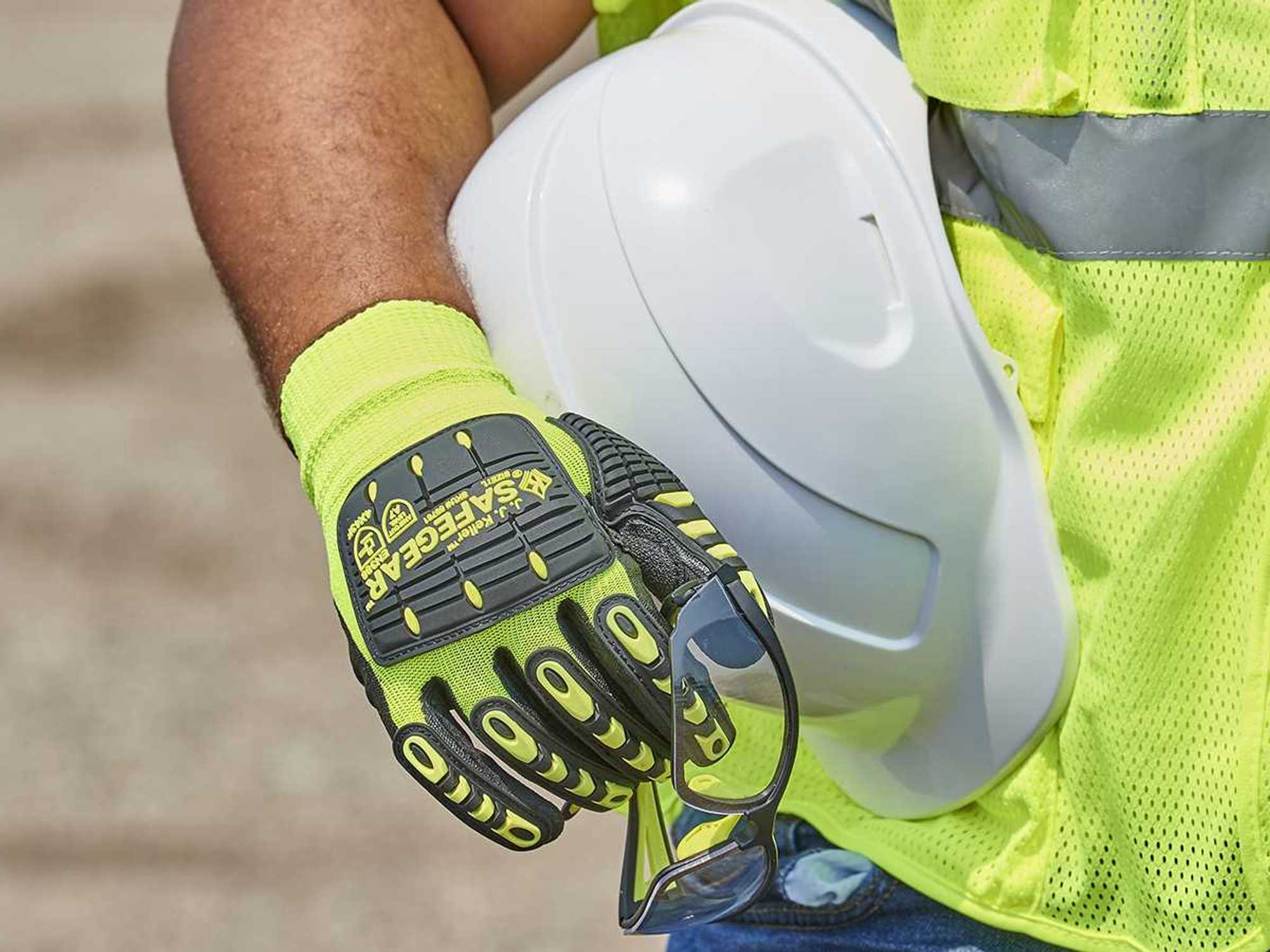
The Occupational Safety and Health Administration's (OSHA's) personal protective equipment (PPE) requirements generally apply to employers whose employees are exposed to hazards that require protection. Specific requirements, such as those for hearing protection, vary depending on the type and level of exposure.
While PPE is an essential part of many jobs, such as welding face shields or chemical-resistant gloves, it is typically used when hazards cannot be eliminated or adequately controlled by other means. Whenever feasible, employers should first eliminate hazards or reduce exposures through engineering controls, administrative controls, or changes in work practices.
No single combination of protective equipment and clothing can protect against all hazards. PPE should be used in conjunction with other hazard control methods rather than as the sole means of protection. In addition, PPE can create its own risks, including heat stress, reduced visibility, restricted movement, communication difficulties, and physical or psychological stress.
In general, higher levels of PPE may provide greater protection but can also increase these associated risks. Equipment should be selected to provide an appropriate level of protection for the hazard without creating unnecessary burdens on the worker. Both under-protection and over-protection can increase the risk of injury or illness.
:
personal-protective-equipment
personal-protective-equipment
FOUNDATIONAL LEARNING
Personal protective equipment
InstituteOverview (Level 1)Personal Protective EquipmentSafety & HealthGeneral Industry SafetyEnglishAnalysisFocus AreaPersonal Protective EquipmentUSA
['Personal Protective Equipment']
The Occupational Safety and Health Administration's (OSHA's) personal protective equipment (PPE) requirements generally apply to employers whose employees are exposed to hazards that require protection. Specific requirements, such as those for hearing protection, vary depending on the type and level of exposure.
While PPE is an essential part of many jobs, such as welding face shields or chemical-resistant gloves, it is typically used when hazards cannot be eliminated or adequately controlled by other means. Whenever feasible, employers should first eliminate hazards or reduce exposures through engineering controls, administrative controls, or changes in work practices.
No single combination of protective equipment and clothing can protect against all hazards. PPE should be used in conjunction with other hazard control methods rather than as the sole means of protection. In addition, PPE can create its own risks, including heat stress, reduced visibility, restricted movement, communication difficulties, and physical or psychological stress.
In general, higher levels of PPE may provide greater protection but can also increase these associated risks. Equipment should be selected to provide an appropriate level of protection for the hazard without creating unnecessary burdens on the worker. Both under-protection and over-protection can increase the risk of injury or illness.
2656868054
UPGRADE TO CONTINUE READING
RELATED TOPICS
J. J. Keller is the trusted source for DOT / Transportation, OSHA / Workplace Safety, Human Resources, Construction Safety and Hazmat / Hazardous Materials regulation compliance products and services. J. J. Keller helps you increase safety awareness, reduce risk, follow best practices, improve safety training, and stay current with changing regulations.
Copyright 2026 J. J. Keller & Associate, Inc. For re-use options please contact copyright@jjkeller.com or call 800-558-5011.