Compliance Just Got Easier: Stay ahead of regulatory changes with instant notifications on updates that matter.
['Personal Protective Equipment']
['Electrical Protective Equipment']
09/02/2026

Copyright 2026 J. J. Keller & Associate, Inc. For re-use options please contact copyright@jjkeller.com or call 800-558-5011.
:
|
InstituteElectrical Protective EquipmentPersonal Protective EquipmentSafety & HealthIn Depth Sub Topics (Level 4)General Industry SafetyEnglishAnalysisFocus AreaUSA
What are the criteria for electrical protective equipment?
['Personal Protective Equipment']
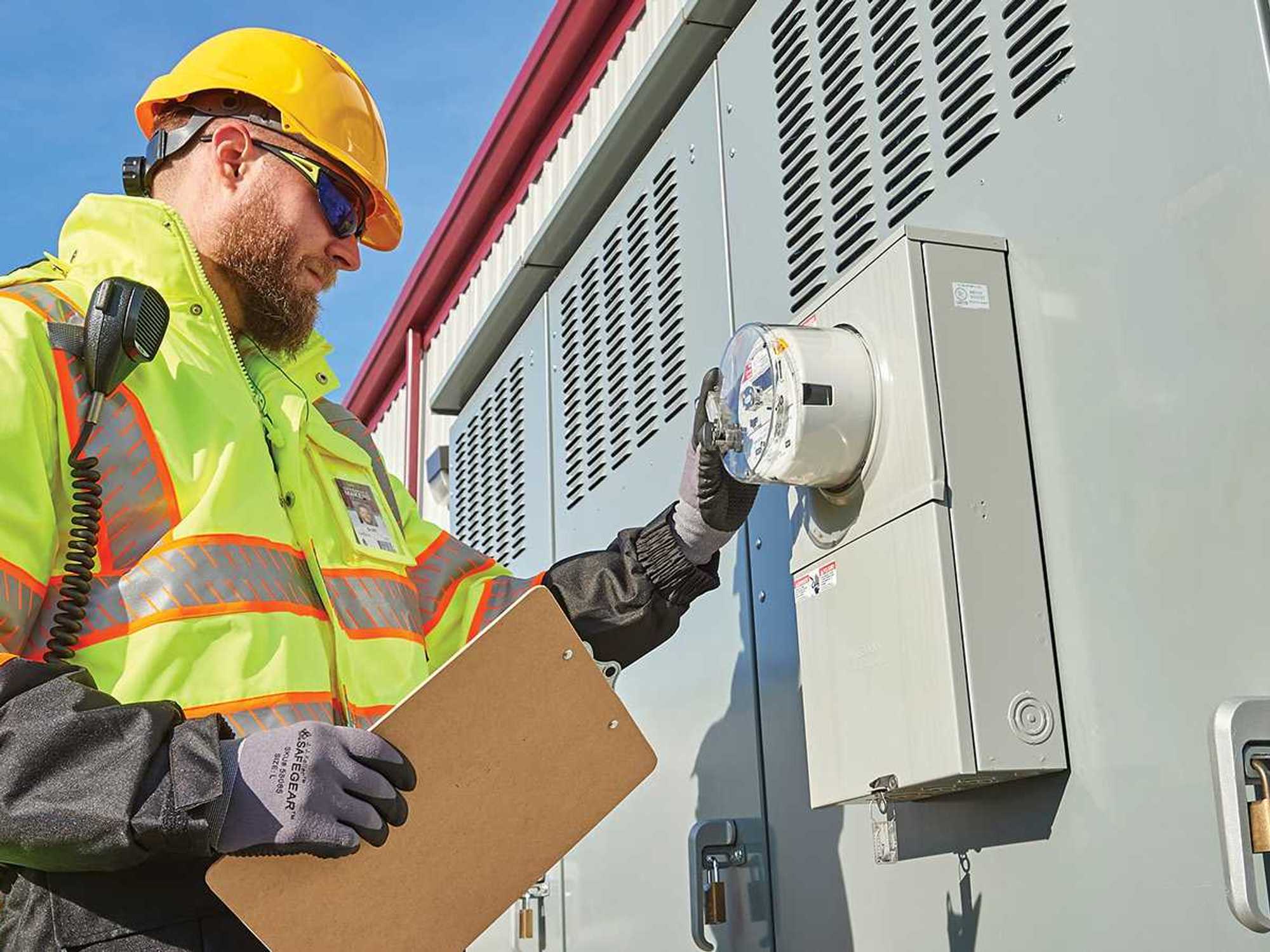
- Electrical protective equipment must be clearly marked with the equipment class.
- Electrical protective equipment must also meet OSHA requirements as defined in 1926.97.
- Employers must ensure that electrical protective equipment is maintained in a safe and reliable condition.
Each electrical protective equipment item must be clearly marked as follows:
- Class 00 equipment shall be marked Class 00.
- Class 0 equipment shall be marked Class 0.
- Class 1 equipment shall be marked Class 1.
- Class 2 equipment shall be marked Class 2.
- Class 3 equipment shall be marked Class 3.
- Class 4 equipment shall be marked Class 4.
- Nonozone-resistant equipment shall be marked Type I.
In addition to the above criteria, the Occupational Health and Safety Administration (OSHA) requires that electrical protective equipment meet industry standards, including being capable of withstanding rigorous voltage testing. Employers should check all equipment and ensure it meets the requirements set out at 1926.97.
Maintenance and inspection requirements
OSHA requires that employers maintain electrical protective equipment in a safe and reliable condition. This includes ensuring that PPE is free of scratches, cuts, holes, brazes, or other conditions that compromise the equipment’s protective rating.
:
personal-protective-equipment
FOUNDATIONAL LEARNING
What are the criteria for electrical protective equipment?
InstituteElectrical Protective EquipmentPersonal Protective EquipmentSafety & HealthIn Depth Sub Topics (Level 4)General Industry SafetyEnglishAnalysisFocus AreaUSA
['Personal Protective Equipment']
- Electrical protective equipment must be clearly marked with the equipment class.
- Electrical protective equipment must also meet OSHA requirements as defined in 1926.97.
- Employers must ensure that electrical protective equipment is maintained in a safe and reliable condition.
Each electrical protective equipment item must be clearly marked as follows:
- Class 00 equipment shall be marked Class 00.
- Class 0 equipment shall be marked Class 0.
- Class 1 equipment shall be marked Class 1.
- Class 2 equipment shall be marked Class 2.
- Class 3 equipment shall be marked Class 3.
- Class 4 equipment shall be marked Class 4.
- Nonozone-resistant equipment shall be marked Type I.
In addition to the above criteria, the Occupational Health and Safety Administration (OSHA) requires that electrical protective equipment meet industry standards, including being capable of withstanding rigorous voltage testing. Employers should check all equipment and ensure it meets the requirements set out at 1926.97.
Maintenance and inspection requirements
OSHA requires that employers maintain electrical protective equipment in a safe and reliable condition. This includes ensuring that PPE is free of scratches, cuts, holes, brazes, or other conditions that compromise the equipment’s protective rating.
2656868055
2656866736
UPGRADE TO CONTINUE READING
RELATED TOPICS
J. J. Keller is the trusted source for DOT / Transportation, OSHA / Workplace Safety, Human Resources, Construction Safety and Hazmat / Hazardous Materials regulation compliance products and services. J. J. Keller helps you increase safety awareness, reduce risk, follow best practices, improve safety training, and stay current with changing regulations.
Copyright 2026 J. J. Keller & Associate, Inc. For re-use options please contact copyright@jjkeller.com or call 800-558-5011.