Compliance Just Got Easier: Stay ahead of regulatory changes with instant notifications on updates that matter.
['Transportation Security']
['Transportation Security', 'Security - Motor Carrier', 'Cargo security']
09/05/2024

Copyright 2026 J. J. Keller & Associate, Inc. For re-use options please contact copyright@jjkeller.com or call 800-558-5011.
:
|
InstituteTransportation SecurityTransportation SecurityTransportation SecurityTransportationFocus AreaSecurity - Motor CarrierCargo securityEnglishAnalysisIn Depth Sub Topics (Level 4)USA
What are cargo theft techniques?
['Transportation Security']
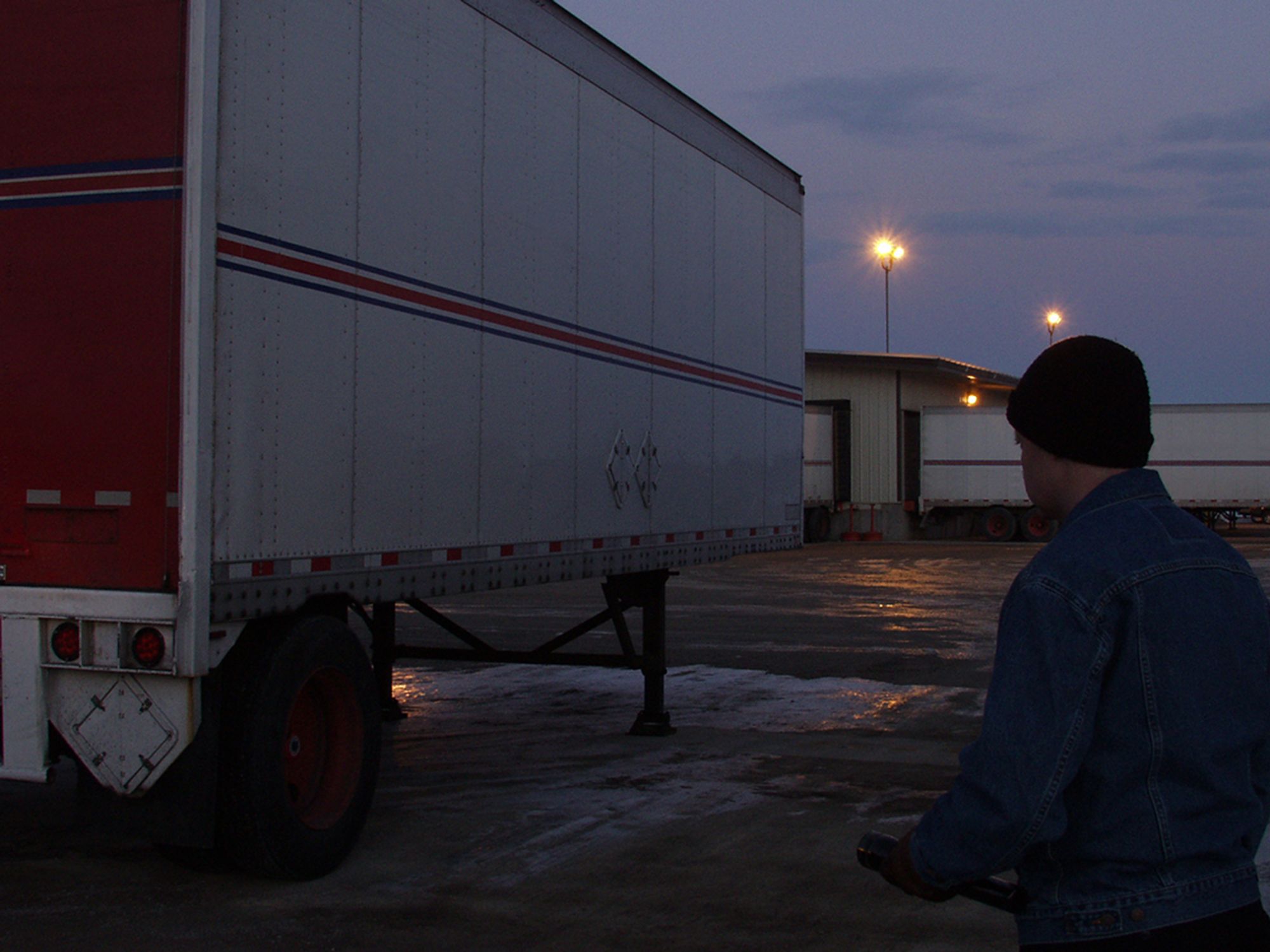
- A company should be aware of common cargo theft techniques and inform drivers to help keep shipments—and the community—safe.
Cargo thieves use several theft techniques on drivers and in places the load is staged. Carriers should be aware of these techniques to help the company empower itself and its drivers to keep shipments secure. Some theft techniques and scenarios are listed below.
Coerced hijackings
Technique: Thieves coerce or compel a driver to make an unplanned stop, creating a hijacking opportunity.
Scenario: The commercial driver pulls over for the purpose of rendering assistance to a supposed disabled motorist, and armed thieves, traveling in another vehicle, detain the driver and hijack the load.
Noncoerced hijackings
Technique: Perpetrators follow a targeted vehicle and wait for an opportunity when the truck driver stops or breaks (at a signal light, truck stop, rest area, etc.). Thieves have been known to follow a tractor-trailer through several states before hitting the mark.
Scenario: Once the driver stops, one or several gunmen enter the cab, detain the driver, and transport the load to a predesignated destination.
Grab-and-run thefts
Technique: Cargo thieves who have inside information of a load of high-value merchandise travel in a large van or box truck, following a targeted truck or tractor-trailer combination waiting for it to stop.
Scenario: Once the truck stops for an extended period, such as a meal break, several suspects exit a vehicle, break into the trailer, and off-load as much property as possible before the truck driver returns. In some instances, grab-and-run incidents can occur at intersections even while stopped at a stoplight.
Burglarized staged cargo
Technique: Cargo theft occurs at transportation facilities, commercial industrial parks, and intermodal railroad yards as the load is staged.
Scenario: Organized cargo theft groups enter the targeted facility, post lookouts, and spend several hours breaking into trailers and containers searching for desirable commodities to steal. Burglaries most often occur over weekends and holidays and during evening hours.
:
transportation-security
transportation-security
transportation-security
FOUNDATIONAL LEARNING
InstituteTransportation SecurityTransportation SecurityTransportation SecurityTransportationFree and Secure Trade (FAST)Focus AreaSecurity - Motor CarrierCargo securityEnglishAnalysisIn Depth Sub Topics (Level 4)Customs-trade partnership against terror (C-TPAT)USA
Security seal obligations for C-TPAT & PIP members
InstituteTransportation SecurityTransportation SecurityTransportation SecuritySecurity endorsement background checks - HazmatDriver securitySecurity - Motor CarrierFocus AreaCargo securityEnglishAnalysisTransportationCompliance and Exceptions (Level 2)USA
Security best practices when vetting drivers
What are cargo theft techniques?
InstituteTransportation SecurityTransportation SecurityTransportation SecurityTransportationFocus AreaSecurity - Motor CarrierCargo securityEnglishAnalysisIn Depth Sub Topics (Level 4)USA
['Transportation Security']
- A company should be aware of common cargo theft techniques and inform drivers to help keep shipments—and the community—safe.
Cargo thieves use several theft techniques on drivers and in places the load is staged. Carriers should be aware of these techniques to help the company empower itself and its drivers to keep shipments secure. Some theft techniques and scenarios are listed below.
Coerced hijackings
Technique: Thieves coerce or compel a driver to make an unplanned stop, creating a hijacking opportunity.
Scenario: The commercial driver pulls over for the purpose of rendering assistance to a supposed disabled motorist, and armed thieves, traveling in another vehicle, detain the driver and hijack the load.
Noncoerced hijackings
Technique: Perpetrators follow a targeted vehicle and wait for an opportunity when the truck driver stops or breaks (at a signal light, truck stop, rest area, etc.). Thieves have been known to follow a tractor-trailer through several states before hitting the mark.
Scenario: Once the driver stops, one or several gunmen enter the cab, detain the driver, and transport the load to a predesignated destination.
Grab-and-run thefts
Technique: Cargo thieves who have inside information of a load of high-value merchandise travel in a large van or box truck, following a targeted truck or tractor-trailer combination waiting for it to stop.
Scenario: Once the truck stops for an extended period, such as a meal break, several suspects exit a vehicle, break into the trailer, and off-load as much property as possible before the truck driver returns. In some instances, grab-and-run incidents can occur at intersections even while stopped at a stoplight.
Burglarized staged cargo
Technique: Cargo theft occurs at transportation facilities, commercial industrial parks, and intermodal railroad yards as the load is staged.
Scenario: Organized cargo theft groups enter the targeted facility, post lookouts, and spend several hours breaking into trailers and containers searching for desirable commodities to steal. Burglaries most often occur over weekends and holidays and during evening hours.
2656866216
2656867090
UPGRADE TO CONTINUE READING
RELATED TOPICS
J. J. Keller is the trusted source for DOT / Transportation, OSHA / Workplace Safety, Human Resources, Construction Safety and Hazmat / Hazardous Materials regulation compliance products and services. J. J. Keller helps you increase safety awareness, reduce risk, follow best practices, improve safety training, and stay current with changing regulations.
Copyright 2026 J. J. Keller & Associate, Inc. For re-use options please contact copyright@jjkeller.com or call 800-558-5011.