Compliance Just Got Easier: Stay ahead of regulatory changes with instant notifications on updates that matter.
['Water Programs']
['Water Programs']
08/28/2025

Copyright 2026 J. J. Keller & Associate, Inc. For re-use options please contact copyright@jjkeller.com or call 800-558-5011.
:
|
InstituteOverview (Level 1)Water ProgramsWater ProgramsEnvironmentalCWA ComplianceEnglishAnalysisFocus AreaUSA
Water programs
['Water Programs']
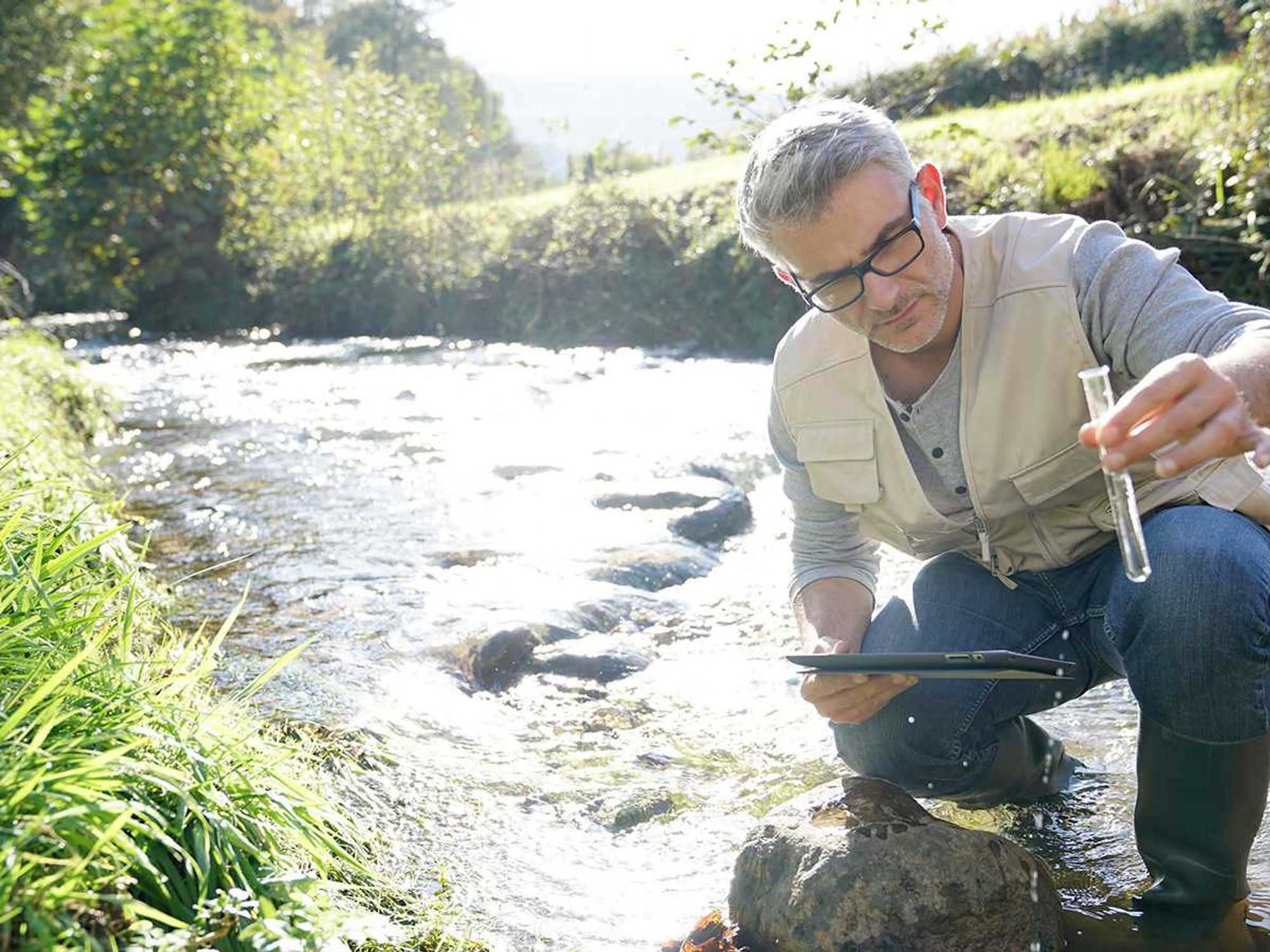
The Clean Water Act (CWA) is the national law protecting the waters of the United States and regulating quality standards for surface waters. The CWA establishes pollution control programs, such as stormwater and wastewater standards for industry. Under the CWA, the Environmental Protection Agency (EPA) developed national water quality criteria recommendations for pollutants in surface waters. In addition, EPA’s National Pollutant Discharge Elimination System (NPDES) makes it unlawful to discharge any pollutant from a point source into navigable waters without a permit.
The seven major components of the CWA are:
- The National Pollutant Discharge Elimination System (NPDES)
- Industry effluent standards
- Water quality standards
- Provisions for the regulation of toxic water pollutants
- Grants for publicly owned treatment works (POTWs)
- The pretreatment program regulating industrial discharges to POTWs
- Oil Pollution Prevention
With the passage of the CWA, congress provided strong federal water protections while recognizing the important role of individual states in pollution control. Under the CWA, states can gain authority to administer water quality programs, so it is imperative to consult all state water regulations to ensure compliance.
:
water-programs
water-programs
FOUNDATIONAL LEARNING
Water programs
InstituteOverview (Level 1)Water ProgramsWater ProgramsEnvironmentalCWA ComplianceEnglishAnalysisFocus AreaUSA
['Water Programs']
The Clean Water Act (CWA) is the national law protecting the waters of the United States and regulating quality standards for surface waters. The CWA establishes pollution control programs, such as stormwater and wastewater standards for industry. Under the CWA, the Environmental Protection Agency (EPA) developed national water quality criteria recommendations for pollutants in surface waters. In addition, EPA’s National Pollutant Discharge Elimination System (NPDES) makes it unlawful to discharge any pollutant from a point source into navigable waters without a permit.
The seven major components of the CWA are:
- The National Pollutant Discharge Elimination System (NPDES)
- Industry effluent standards
- Water quality standards
- Provisions for the regulation of toxic water pollutants
- Grants for publicly owned treatment works (POTWs)
- The pretreatment program regulating industrial discharges to POTWs
- Oil Pollution Prevention
With the passage of the CWA, congress provided strong federal water protections while recognizing the important role of individual states in pollution control. Under the CWA, states can gain authority to administer water quality programs, so it is imperative to consult all state water regulations to ensure compliance.
2656869825
UPGRADE TO CONTINUE READING
RELATED TOPICS
J. J. Keller is the trusted source for DOT / Transportation, OSHA / Workplace Safety, Human Resources, Construction Safety and Hazmat / Hazardous Materials regulation compliance products and services. J. J. Keller helps you increase safety awareness, reduce risk, follow best practices, improve safety training, and stay current with changing regulations.
Copyright 2026 J. J. Keller & Associate, Inc. For re-use options please contact copyright@jjkeller.com or call 800-558-5011.