Compliance Just Got Easier: Stay ahead of regulatory changes with instant notifications on updates that matter.
['Water Programs']
['Water Permitting', 'Industrial Wastewater', 'Water Programs']
02/26/2026

Copyright 2026 J. J. Keller & Associate, Inc. For re-use options please contact copyright@jjkeller.com or call 800-558-5011.
:
|
InstituteCWA ComplianceWater PermittingWater ProgramsIndustrial WastewaterEnvironmentalUSAWater ProgramsEnglishAnalysisFocus AreaIn Depth (Level 3)
What types of wastewater are there?
['Water Programs']
- Direct discharges to surface waters will require an individual or general NPDES permit.
- Non-process wastewater is a concern for monitoring purposes when it dilutes pollutants in process wastewater.
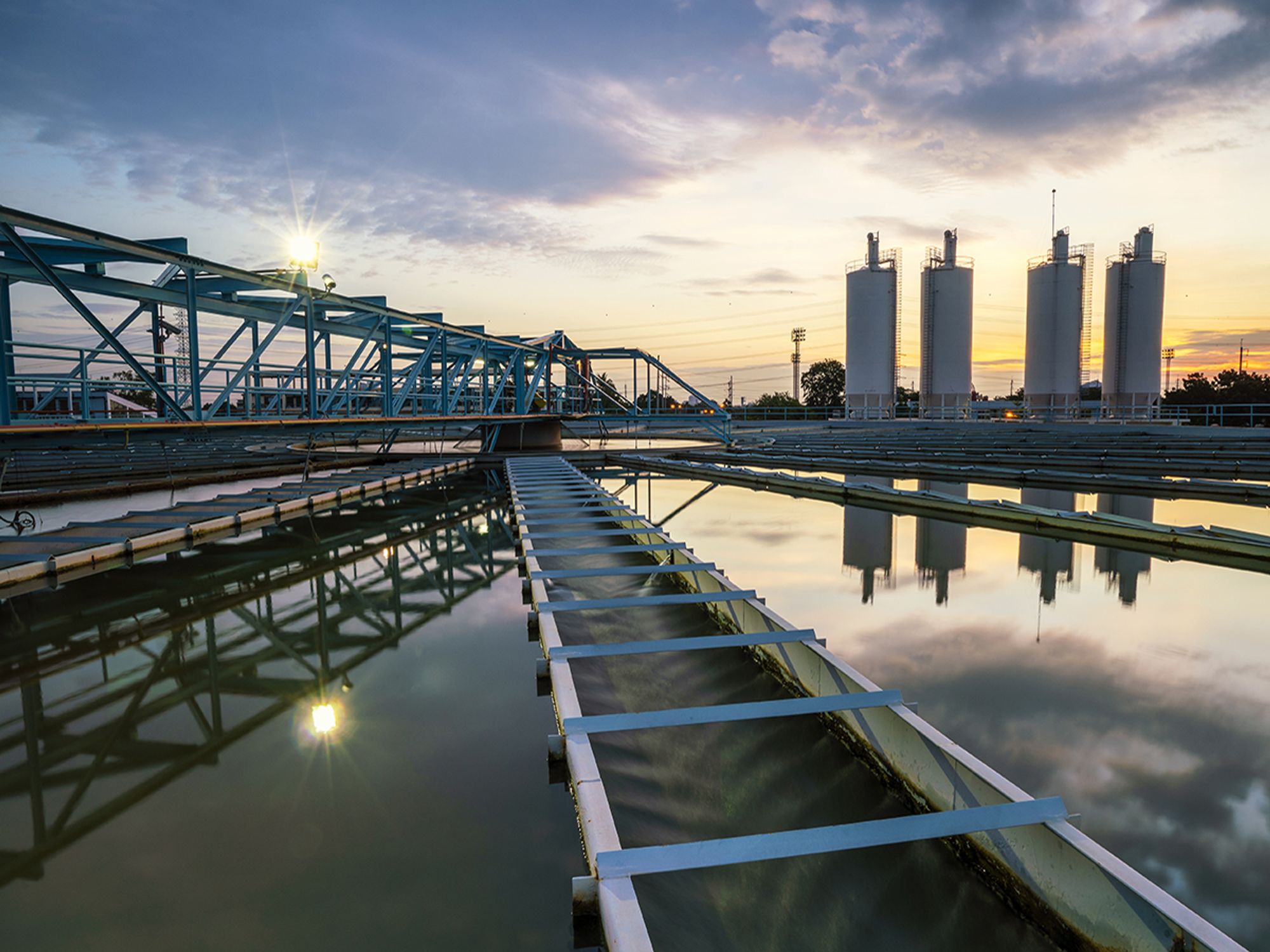
Process wastewater. Process wastewater is “any water which, during manufacturing or processing, comes into direct contact with, or results from the production or use of any raw material, intermediate product, finished product, byproduct, or waste product,” and it can contain pollutants that could negatively affect surface waters. The National Pollutant Discharge Elimination System (NPDES) permit program sets limits on the type and amount of pollutants that can be discharged from industrial and commercial sources. Direct discharges to surface waters will require an individual or general NPDES permit.
An industrial source may also discharge to a municipal sewer system, which would be covered under the NPDES pretreatment program. Whether the facility is a direct or indirect discharger, it may also be covered by the effluent guidelines and standards.
Non-process wastewater. Non-process wastewater may also be regulated under the NPDES program. This type of wastewater comes from the use of water for activities such as using non-contact cooling water for heat exchange, sanitary, or cafeteria wastes. Non-process wastewater is a concern for monitoring purposes when it dilutes the concentration of pollutants of concern in process wastewater.
:
water-programs
water-programs
FOUNDATIONAL LEARNING
What types of wastewater are there?
InstituteCWA ComplianceWater PermittingWater ProgramsIndustrial WastewaterEnvironmentalUSAWater ProgramsEnglishAnalysisFocus AreaIn Depth (Level 3)
['Water Programs']
- Direct discharges to surface waters will require an individual or general NPDES permit.
- Non-process wastewater is a concern for monitoring purposes when it dilutes pollutants in process wastewater.
Process wastewater. Process wastewater is “any water which, during manufacturing or processing, comes into direct contact with, or results from the production or use of any raw material, intermediate product, finished product, byproduct, or waste product,” and it can contain pollutants that could negatively affect surface waters. The National Pollutant Discharge Elimination System (NPDES) permit program sets limits on the type and amount of pollutants that can be discharged from industrial and commercial sources. Direct discharges to surface waters will require an individual or general NPDES permit.
An industrial source may also discharge to a municipal sewer system, which would be covered under the NPDES pretreatment program. Whether the facility is a direct or indirect discharger, it may also be covered by the effluent guidelines and standards.
Non-process wastewater. Non-process wastewater may also be regulated under the NPDES program. This type of wastewater comes from the use of water for activities such as using non-contact cooling water for heat exchange, sanitary, or cafeteria wastes. Non-process wastewater is a concern for monitoring purposes when it dilutes the concentration of pollutants of concern in process wastewater.
2656869825
2656867362
UPGRADE TO CONTINUE READING
RELATED TOPICS
J. J. Keller is the trusted source for DOT / Transportation, OSHA / Workplace Safety, Human Resources, Construction Safety and Hazmat / Hazardous Materials regulation compliance products and services. J. J. Keller helps you increase safety awareness, reduce risk, follow best practices, improve safety training, and stay current with changing regulations.
Copyright 2026 J. J. Keller & Associate, Inc. For re-use options please contact copyright@jjkeller.com or call 800-558-5011.