Compliance Just Got Easier: Stay ahead of regulatory changes with instant notifications on updates that matter.
['Personal Protective Equipment']
['Respiratory Protection']
09/02/2026

Copyright 2026 J. J. Keller & Associate, Inc. For re-use options please contact copyright@jjkeller.com or call 800-558-5011.
:
|
InstitutePersonal Protective EquipmentSafety & HealthIn Depth Sub Topics (Level 4)General Industry SafetyRespiratory ProtectionEnglishAnalysisFocus AreaUSA
Voluntary respirator use
['Personal Protective Equipment']
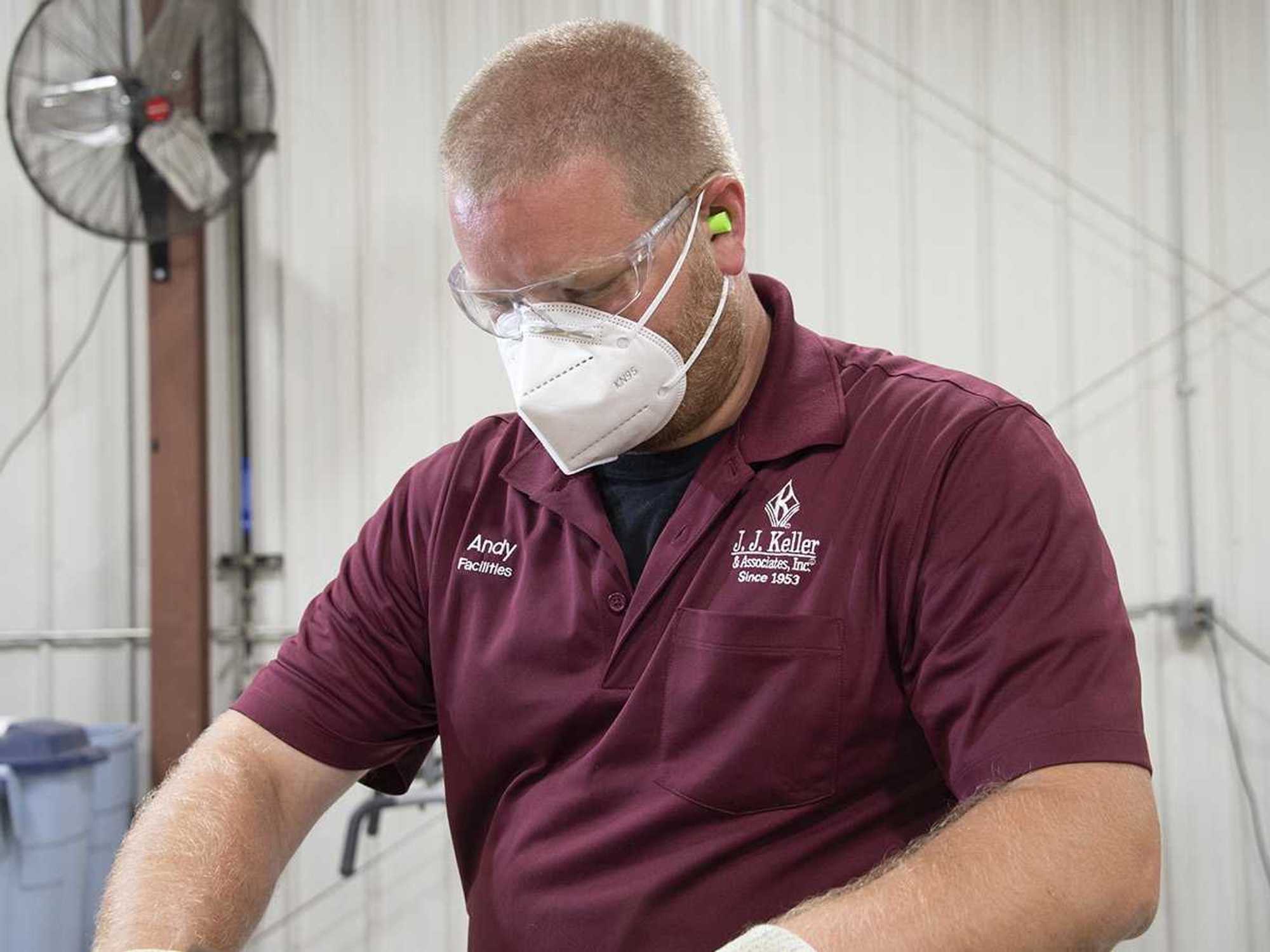
- If an employer chooses to have employees wear a dust mask, or an employee chooses to wear one even when not required, this is considered voluntary use.
If a workplace is covered by the respirator protection standard, the employer must establish a written respiratory protection program. In addition, the employer must include elements in the program to ensure that employees:
- Are medically able to use that respirator,
- Maintain and keep their respirators clean, and
- Know where to store their respirators.
Exception: Employers are not required to include in a written respiratory protection program for employees whose only use of respirators involves the voluntary use of filtering facepieces (dust masks).
Dust masks
Disposable paper respirators, or dust masks, are still considered “respirators” and their use is regulated under the Occupational Health and Safety Administration (OSHA)’s Respiratory Protection Standard. However, in many cases, respirators are not required by OSHA because exposures are below official exposure limits.
If an employer chooses to have employees wear a dust mask even though the use of a dust mask or any other respirator is not required, it’s considered “voluntary use.” OSHA allows this without a medical evaluation, fit test, or clean shave, IF it is determined that wearing the dust mask will not in itself create a hazard or interfere with an employee’s ability to work safely.
If the employer determines that any voluntary dust mask use is permissible, employees must be provided with the information found in 1910.134 Appendix D so they understand how to select, use, and care for dust masks properly.
:
personal-protective-equipment
FOUNDATIONAL LEARNING
Voluntary respirator use
InstitutePersonal Protective EquipmentSafety & HealthIn Depth Sub Topics (Level 4)General Industry SafetyRespiratory ProtectionEnglishAnalysisFocus AreaUSA
['Personal Protective Equipment']
- If an employer chooses to have employees wear a dust mask, or an employee chooses to wear one even when not required, this is considered voluntary use.
If a workplace is covered by the respirator protection standard, the employer must establish a written respiratory protection program. In addition, the employer must include elements in the program to ensure that employees:
- Are medically able to use that respirator,
- Maintain and keep their respirators clean, and
- Know where to store their respirators.
Exception: Employers are not required to include in a written respiratory protection program for employees whose only use of respirators involves the voluntary use of filtering facepieces (dust masks).
Dust masks
Disposable paper respirators, or dust masks, are still considered “respirators” and their use is regulated under the Occupational Health and Safety Administration (OSHA)’s Respiratory Protection Standard. However, in many cases, respirators are not required by OSHA because exposures are below official exposure limits.
If an employer chooses to have employees wear a dust mask even though the use of a dust mask or any other respirator is not required, it’s considered “voluntary use.” OSHA allows this without a medical evaluation, fit test, or clean shave, IF it is determined that wearing the dust mask will not in itself create a hazard or interfere with an employee’s ability to work safely.
If the employer determines that any voluntary dust mask use is permissible, employees must be provided with the information found in 1910.134 Appendix D so they understand how to select, use, and care for dust masks properly.
2656869778
2656866391
UPGRADE TO CONTINUE READING
RELATED TOPICS
J. J. Keller is the trusted source for DOT / Transportation, OSHA / Workplace Safety, Human Resources, Construction Safety and Hazmat / Hazardous Materials regulation compliance products and services. J. J. Keller helps you increase safety awareness, reduce risk, follow best practices, improve safety training, and stay current with changing regulations.
Copyright 2026 J. J. Keller & Associate, Inc. For re-use options please contact copyright@jjkeller.com or call 800-558-5011.