Compliance Just Got Easier: Stay ahead of regulatory changes with instant notifications on updates that matter.
['Vehicle Technology']
['Vehicle Technology']
09/05/2025

Copyright 2026 J. J. Keller & Associate, Inc. For re-use options please contact copyright@jjkeller.com or call 800-558-5011.
:
|
InstituteOverview (Level 1)TransportationVehicle TechnologyVehicle TechnologyFleet OperationsEnglishAnalysisFocus AreaUSA
Vehicle technology
['Vehicle Technology']
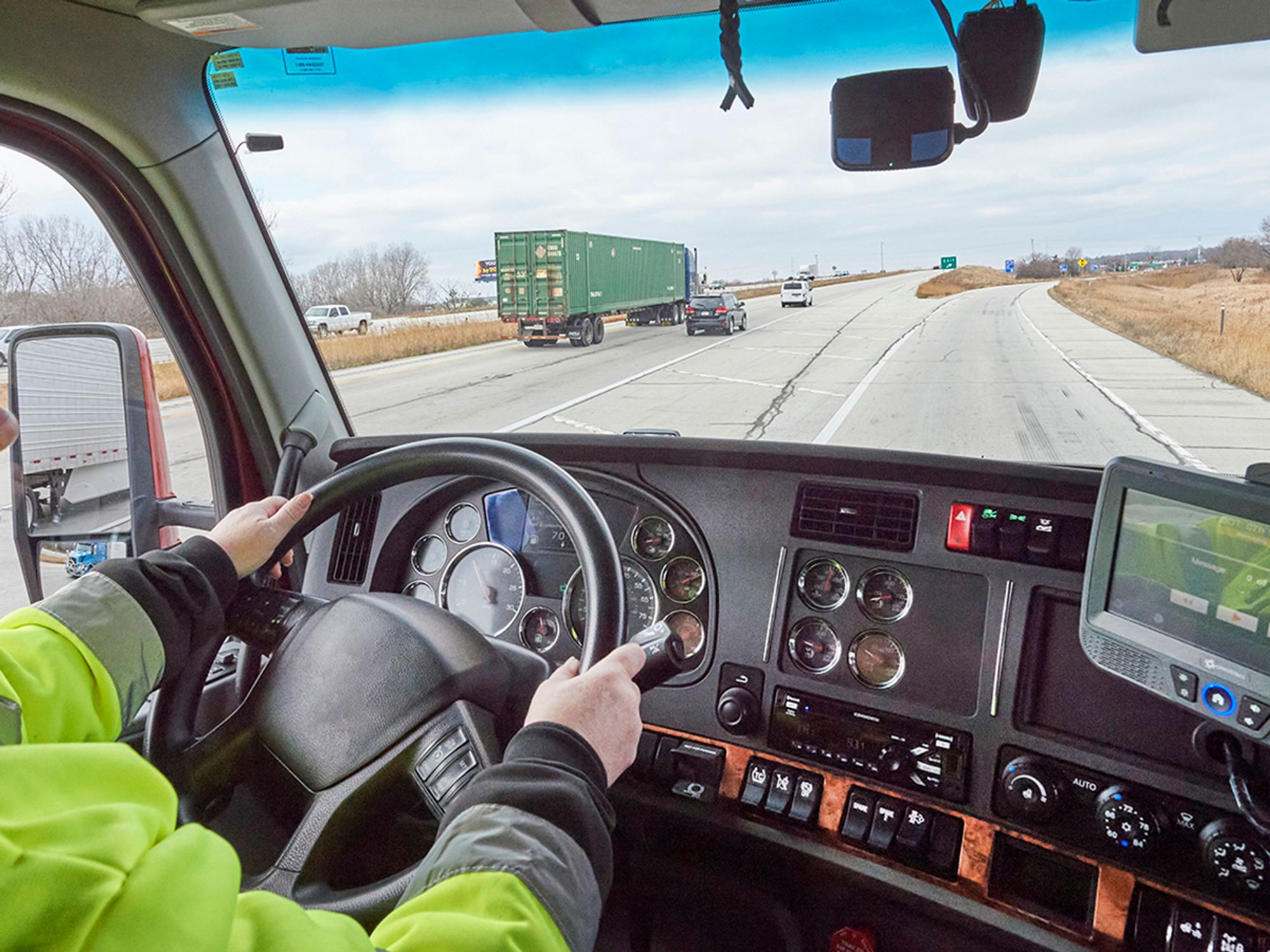
Nearly all engines manufactured today are electronically controlled via the electronic control module (ECM), and event data recorders capture the data generated by vehicles. Many vehicles are also being equipped with advanced driver assistance systems to prevent or limit the severity of crashes. All throttle and brake inputs, wheel movement, tire pressure, and more, are used by the vehicle’s electronic safety systems and are recorded by the ECM. The electronic stability control systems (ESC), anti-lock braking systems (ABS), and advanced driver assistance systems (ADAS) use this data, as well as sensors and cameras, to create alerts and/or actively prevent skidding and avoid crashes. One key point to remember is that the vehicle needs to have the ability to support electronic safety systems. These systems will increase the demand on both the electrical system and the electronic communications network on the vehicle. Many carriers are also adding dashcams, also known as video event recorders, and vehicle tracking devices, to commercial vehicles to assess driving behavior and have video proof in the event of a crash. The challenge of a safety manager is to use the wealth of data coming from the ECM (sometimes via the electronic logging device or ELD), vehicle location data, and dashcam video clips, to improve the safety outcomes for their fleet.
:
vehicle-technology
vehicle-technology
FOUNDATIONAL LEARNING
Vehicle technology
InstituteOverview (Level 1)TransportationVehicle TechnologyVehicle TechnologyFleet OperationsEnglishAnalysisFocus AreaUSA
['Vehicle Technology']
Nearly all engines manufactured today are electronically controlled via the electronic control module (ECM), and event data recorders capture the data generated by vehicles. Many vehicles are also being equipped with advanced driver assistance systems to prevent or limit the severity of crashes. All throttle and brake inputs, wheel movement, tire pressure, and more, are used by the vehicle’s electronic safety systems and are recorded by the ECM. The electronic stability control systems (ESC), anti-lock braking systems (ABS), and advanced driver assistance systems (ADAS) use this data, as well as sensors and cameras, to create alerts and/or actively prevent skidding and avoid crashes. One key point to remember is that the vehicle needs to have the ability to support electronic safety systems. These systems will increase the demand on both the electrical system and the electronic communications network on the vehicle. Many carriers are also adding dashcams, also known as video event recorders, and vehicle tracking devices, to commercial vehicles to assess driving behavior and have video proof in the event of a crash. The challenge of a safety manager is to use the wealth of data coming from the ECM (sometimes via the electronic logging device or ELD), vehicle location data, and dashcam video clips, to improve the safety outcomes for their fleet.
2658207588
UPGRADE TO CONTINUE READING
RELATED TOPICS
J. J. Keller is the trusted source for DOT / Transportation, OSHA / Workplace Safety, Human Resources, Construction Safety and Hazmat / Hazardous Materials regulation compliance products and services. J. J. Keller helps you increase safety awareness, reduce risk, follow best practices, improve safety training, and stay current with changing regulations.
Copyright 2026 J. J. Keller & Associate, Inc. For re-use options please contact copyright@jjkeller.com or call 800-558-5011.