Compliance Just Got Easier: Stay ahead of regulatory changes with instant notifications on updates that matter.
['Vehicle Technology']
['Vehicle Technology']
09/05/2025

Copyright 2026 J. J. Keller & Associate, Inc. For re-use options please contact copyright@jjkeller.com or call 800-558-5011.
:
|
InstituteVehicle TechnologyVehicle TechnologyFocus AreaFleet OperationsUSAEnglishAnalysisTransportationIn Depth (Level 3)
Biodiesel and renewable diesel
['Vehicle Technology']
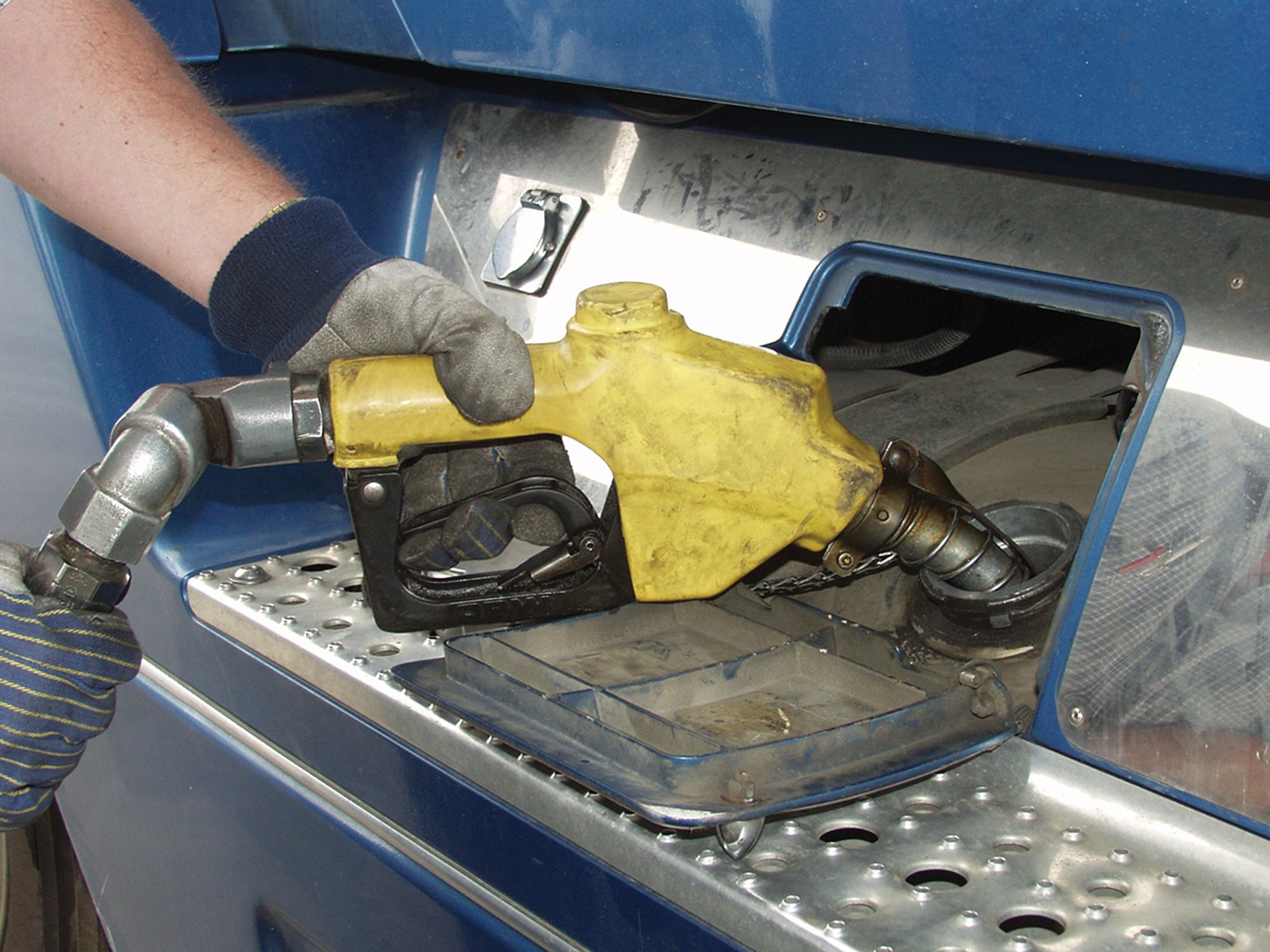
- Biodiesel and renewable diesel are similar, but there are critical differences that carriers must understand before selecting either as an alternative to petroleum diesel.
- Up to a 60 percent tailpipe emissions reduction can be achieved by switching from petroleum diesel to biodiesel or renewable diesel, usually without engine modification.
What are biodiesel and renewable diesel?
People often use the terms renewable diesel and biodiesel interchangeably. Both use renewable sources of feedstock, but there are critical differences.
- Biodiesel (a.k.a. FAME (fatty acid methyl ester)). This is a renewable fuel made from vegetable oils, animal fats, or recycled cooking grease via transesterification (a chemical reaction), which can introduce oxygen. Biodiesel is blended with petroleum diesel and additives to reduce concerns with oxygen, such as:
- Crystallizing in colder temperatures,
- Separation during storage, and
- Algae growth.
Blends range from 6 to 20 percent petroleum diesel. B20 is the most common.
- Renewable diesel (a.k.a. green diesel). This is produced by hydrotreating (removing impurities from) renewable sources such as vegetable oils, inedible animal fats left over from meat processing, and other types of biomasses without introducing oxygen. Renewable and petroleum diesel are chemically similar.
Benefits and considerations
The decision to use alternative fuels often hinges on how the option compares to petroleum-based fuels. Carriers should assess if either option is a financial and operational fit for the fleet to lower emissions.
Below are benefits and considerations relative to petroleum diesel unless otherwise noted:
Biodiesel
Benefits:
- Better lubrication characteristics can prevent premature engine wear.
- No diesel engine modifications are needed in most vehicles to achieve similar performance.
- More thorough combustion can allow longer oil drain intervals.
- Fewer regeneration issues are experienced.
- It is available in most states.
- Cost is comparable after subsidies.
Considerations:
- The price per gallon is high without government incentives.
- Oxygen limits storage time due to oxidation which can cause corrosion and algae growth.
- It can freeze and clog fuel lines at higher temperatures depending on the blend and feedstock.
- There is a limited supply of cooking oil to sustain production.
Renewable diesel
Benefits:
- Performance in freezing weather and the carbon footprint are better than biodiesel.
- It does not contain harmful oxygen, as does biodiesel.
- No diesel engine modifications are needed to achieve similar performance.
- It requires no blending of petroleum diesel.
- More thorough combustion aids longer oil drain intervals and fewer regeneration issues.
- Cost after subsidies can be comparable to diesel in California.
- It is compatible with existing diesel distribution infrastructure.
Considerations:
- The price per gallon is high without government incentives.
- Nearly all supply is in California, with sparse fueling options in Oregon and Washington.
- There is limited feedstock of cooking oil to sustain production.
:
vehicle-technology
vehicle-technology
FOUNDATIONAL LEARNING
Biodiesel and renewable diesel
InstituteVehicle TechnologyVehicle TechnologyFocus AreaFleet OperationsUSAEnglishAnalysisTransportationIn Depth (Level 3)
['Vehicle Technology']
- Biodiesel and renewable diesel are similar, but there are critical differences that carriers must understand before selecting either as an alternative to petroleum diesel.
- Up to a 60 percent tailpipe emissions reduction can be achieved by switching from petroleum diesel to biodiesel or renewable diesel, usually without engine modification.
What are biodiesel and renewable diesel?
People often use the terms renewable diesel and biodiesel interchangeably. Both use renewable sources of feedstock, but there are critical differences.
- Biodiesel (a.k.a. FAME (fatty acid methyl ester)). This is a renewable fuel made from vegetable oils, animal fats, or recycled cooking grease via transesterification (a chemical reaction), which can introduce oxygen. Biodiesel is blended with petroleum diesel and additives to reduce concerns with oxygen, such as:
- Crystallizing in colder temperatures,
- Separation during storage, and
- Algae growth.
Blends range from 6 to 20 percent petroleum diesel. B20 is the most common.
- Renewable diesel (a.k.a. green diesel). This is produced by hydrotreating (removing impurities from) renewable sources such as vegetable oils, inedible animal fats left over from meat processing, and other types of biomasses without introducing oxygen. Renewable and petroleum diesel are chemically similar.
Benefits and considerations
The decision to use alternative fuels often hinges on how the option compares to petroleum-based fuels. Carriers should assess if either option is a financial and operational fit for the fleet to lower emissions.
Below are benefits and considerations relative to petroleum diesel unless otherwise noted:
Biodiesel
Benefits:
- Better lubrication characteristics can prevent premature engine wear.
- No diesel engine modifications are needed in most vehicles to achieve similar performance.
- More thorough combustion can allow longer oil drain intervals.
- Fewer regeneration issues are experienced.
- It is available in most states.
- Cost is comparable after subsidies.
Considerations:
- The price per gallon is high without government incentives.
- Oxygen limits storage time due to oxidation which can cause corrosion and algae growth.
- It can freeze and clog fuel lines at higher temperatures depending on the blend and feedstock.
- There is a limited supply of cooking oil to sustain production.
Renewable diesel
Benefits:
- Performance in freezing weather and the carbon footprint are better than biodiesel.
- It does not contain harmful oxygen, as does biodiesel.
- No diesel engine modifications are needed to achieve similar performance.
- It requires no blending of petroleum diesel.
- More thorough combustion aids longer oil drain intervals and fewer regeneration issues.
- Cost after subsidies can be comparable to diesel in California.
- It is compatible with existing diesel distribution infrastructure.
Considerations:
- The price per gallon is high without government incentives.
- Nearly all supply is in California, with sparse fueling options in Oregon and Washington.
- There is limited feedstock of cooking oil to sustain production.
2666633498
2665717358
UPGRADE TO CONTINUE READING
RELATED TOPICS
J. J. Keller is the trusted source for DOT / Transportation, OSHA / Workplace Safety, Human Resources, Construction Safety and Hazmat / Hazardous Materials regulation compliance products and services. J. J. Keller helps you increase safety awareness, reduce risk, follow best practices, improve safety training, and stay current with changing regulations.
Copyright 2026 J. J. Keller & Associate, Inc. For re-use options please contact copyright@jjkeller.com or call 800-558-5011.