Compliance Just Got Easier: Stay ahead of regulatory changes with instant notifications on updates that matter.
['Toxic Substances Control Act - EPA']
['Toxic Substances - EPA', 'Toxic Subtances Control Act - EPA']
08/26/2026

Copyright 2026 J. J. Keller & Associate, Inc. For re-use options please contact copyright@jjkeller.com or call 800-558-5011.
:
|
InstituteToxic Substances Control Act - EPAToxic Subtances Control Act - EPATSCA ComplianceToxic Substances - EPAEnvironmentalUSAEnglishAnalysisFocus AreaIn Depth (Level 3)
TSCA Title VI Formaldehyde Standards for Composite Wood Products
['Toxic Substances Control Act - EPA']
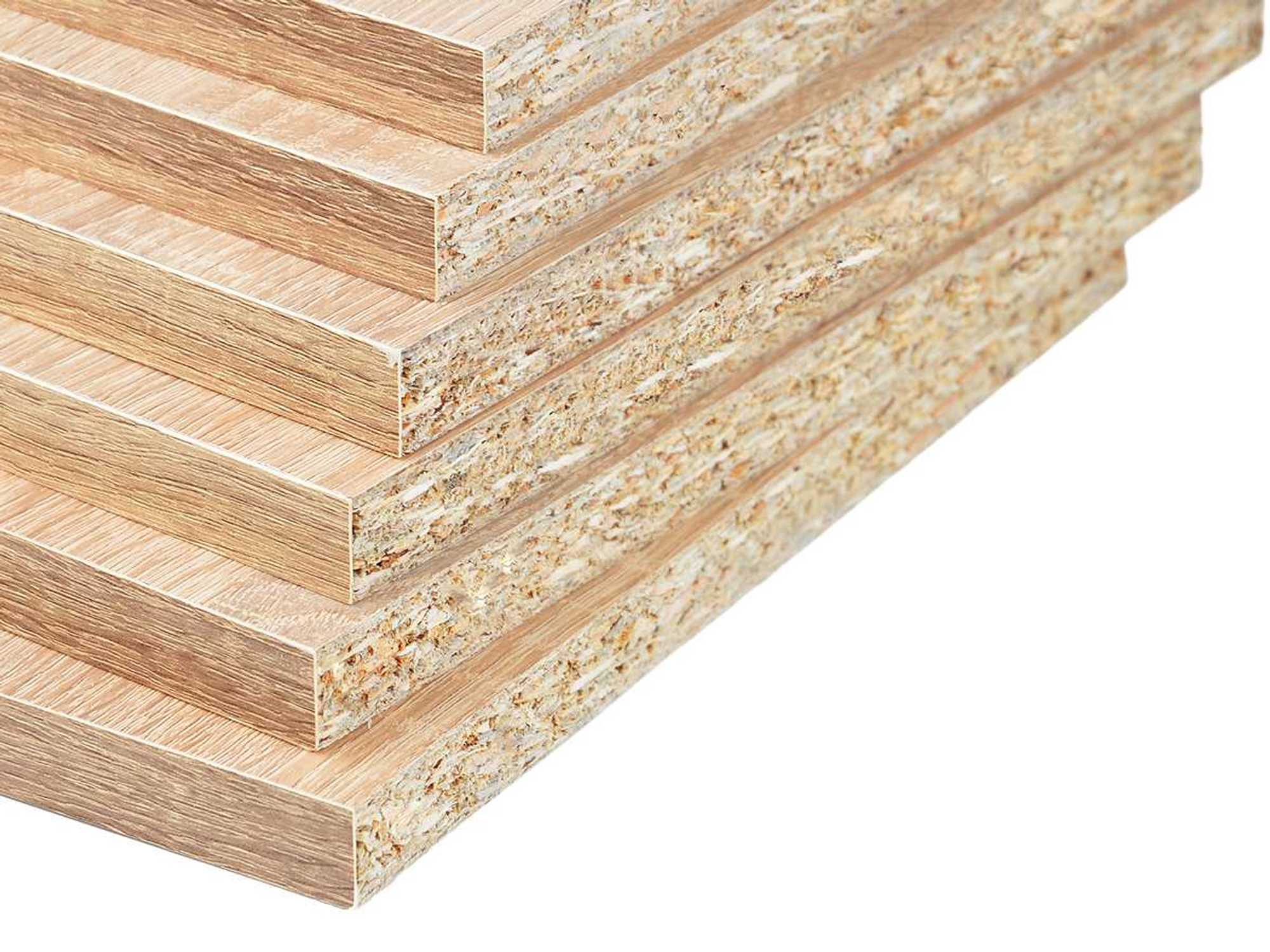
- Title VI mandates specific formaldehyde emission standards for hardwood plywood, medium-density fiberboard, and particleboard that is sold, supplied, offered for sale, or manufactured in the United States.
In July 2010, Congress enacted the Formaldehyde Standards for Composite Wood Products Act, adding a new Title VI to the Toxic Substances Control Act (TSCA). Title VI mandates specific formaldehyde emission standards for hardwood plywood, medium-density fiberboard, and particleboard that is sold, supplied, offered for sale, or manufactured in the United States.
The standards are phased in over two years from enactment and are based on Method ASTM E-1333-96 (2002), the voluntary national formaldehyde emissions standards established by ASTM International (formerly known as the American Society for Testing and Materials).
The standards apply to plywood, particleboard, and medium-density fiberboard in the form of an unfinished panel or incorporated into a finished good. Certain products are excluded, including many forms of lumber and panels used for outdoor applications, such as structural plywood, prefabricated wood I-joists, most windows, antiques or other previously owned goods, and composite wood products used inside automobiles, trucks, rail cars, boats, and aircraft.
The Environmental Protection Agency (EPA) was required to promulgate regulations ensuring compliance with the emission standards and had to include provisions related to:
- Labeling, chain of custody requirements, and sell-through provisions;
- Ultra-low-emitting formaldehyde resins, finished goods, and third-party testing and certification;
- Auditing and reporting of third-party certifiers;
- Recordkeeping;
- Enforcement;
- Laminated products; and
- Exceptions for products and components containing “de minimis amounts” of composite wood products.
The regulations are found at 40 CFR 770.
Title VI prohibits stockpiling of products manufactured before the effective date of the Act for sale after that date. Also prohibited is any requirement for labeling products manufactured prior to the “designated date of manufacture.”
Title VI requires an annual report to Congress on the status of implementation and the extent to which relevant industries have achieved compliance. Finally, the Act directs the Secretary of Housing and Urban Development to update regulations concerning formaldehyde emissions from composite wood in manufactured homes (24 CFR 3280.308) to ensure that the standards established by TSCA Title VI are implemented.
:
toxic-substances-control-act-epa
FOUNDATIONAL LEARNING
TSCA Title VI Formaldehyde Standards for Composite Wood Products
InstituteToxic Substances Control Act - EPAToxic Subtances Control Act - EPATSCA ComplianceToxic Substances - EPAEnvironmentalUSAEnglishAnalysisFocus AreaIn Depth (Level 3)
['Toxic Substances Control Act - EPA']
- Title VI mandates specific formaldehyde emission standards for hardwood plywood, medium-density fiberboard, and particleboard that is sold, supplied, offered for sale, or manufactured in the United States.
In July 2010, Congress enacted the Formaldehyde Standards for Composite Wood Products Act, adding a new Title VI to the Toxic Substances Control Act (TSCA). Title VI mandates specific formaldehyde emission standards for hardwood plywood, medium-density fiberboard, and particleboard that is sold, supplied, offered for sale, or manufactured in the United States.
The standards are phased in over two years from enactment and are based on Method ASTM E-1333-96 (2002), the voluntary national formaldehyde emissions standards established by ASTM International (formerly known as the American Society for Testing and Materials).
The standards apply to plywood, particleboard, and medium-density fiberboard in the form of an unfinished panel or incorporated into a finished good. Certain products are excluded, including many forms of lumber and panels used for outdoor applications, such as structural plywood, prefabricated wood I-joists, most windows, antiques or other previously owned goods, and composite wood products used inside automobiles, trucks, rail cars, boats, and aircraft.
The Environmental Protection Agency (EPA) was required to promulgate regulations ensuring compliance with the emission standards and had to include provisions related to:
- Labeling, chain of custody requirements, and sell-through provisions;
- Ultra-low-emitting formaldehyde resins, finished goods, and third-party testing and certification;
- Auditing and reporting of third-party certifiers;
- Recordkeeping;
- Enforcement;
- Laminated products; and
- Exceptions for products and components containing “de minimis amounts” of composite wood products.
The regulations are found at 40 CFR 770.
Title VI prohibits stockpiling of products manufactured before the effective date of the Act for sale after that date. Also prohibited is any requirement for labeling products manufactured prior to the “designated date of manufacture.”
Title VI requires an annual report to Congress on the status of implementation and the extent to which relevant industries have achieved compliance. Finally, the Act directs the Secretary of Housing and Urban Development to update regulations concerning formaldehyde emissions from composite wood in manufactured homes (24 CFR 3280.308) to ensure that the standards established by TSCA Title VI are implemented.
2656866895
2656866896
UPGRADE TO CONTINUE READING
RELATED TOPICS
J. J. Keller is the trusted source for DOT / Transportation, OSHA / Workplace Safety, Human Resources, Construction Safety and Hazmat / Hazardous Materials regulation compliance products and services. J. J. Keller helps you increase safety awareness, reduce risk, follow best practices, improve safety training, and stay current with changing regulations.
Copyright 2026 J. J. Keller & Associate, Inc. For re-use options please contact copyright@jjkeller.com or call 800-558-5011.