Compliance Just Got Easier: Stay ahead of regulatory changes with instant notifications on updates that matter.
['Toxic Substances Control Act - EPA']
['Toxic Substances - EPA', 'Toxic Subtances Control Act - EPA']
08/26/2026

Copyright 2026 J. J. Keller & Associate, Inc. For re-use options please contact copyright@jjkeller.com or call 800-558-5011.
:
|
InstituteToxic Substances Control Act - EPAToxic Subtances Control Act - EPATSCA ComplianceToxic Substances - EPAEnvironmentalUSAEnglishAnalysisFocus AreaIn Depth (Level 3)
TSCA Title II Asbestos Hazard Emergency Response
['Toxic Substances Control Act - EPA']
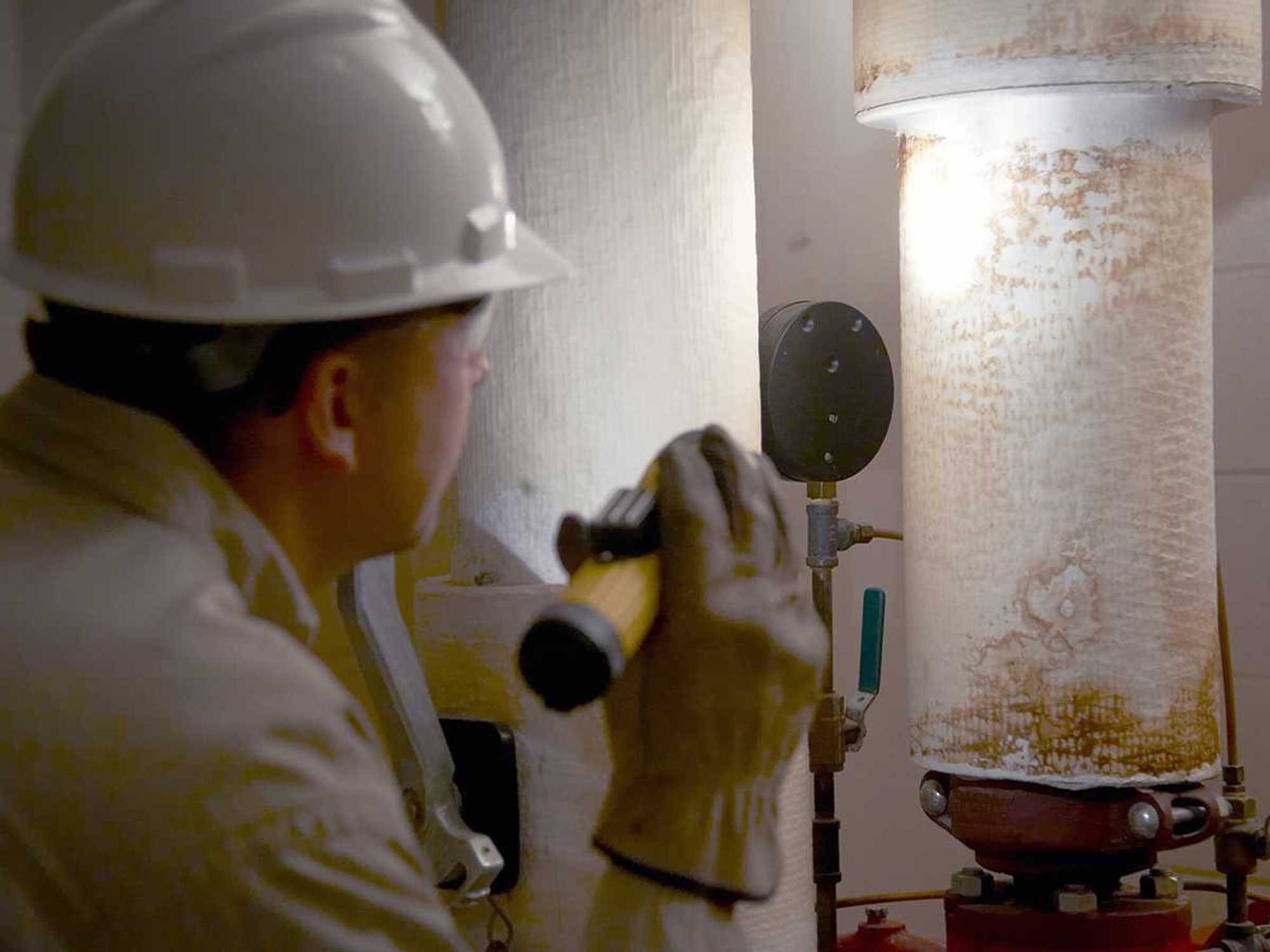
- Title II requires asbestos contractors and analytical laboratories to be certified, and schools to use certified persons for abatement work.
- AHERA authorized EPA to set standards for responding to the presence of asbestos in schools.
Growing public concern about the presence of potentially hazardous asbestos in buildings, especially in schools, led to congressional efforts to address the problem. Toxic Substances Control Act (TSCA) Title II, the Asbestos Hazard Emergency Response Act (AHERA), was enacted in 1986 and amended in July 1988. It required the Environmental Protection Agency (EPA) to set standards by October 1987, for responding to the presence of asbestos in schools.
The standards, set at levels adequate to protect public health and the environment, identify appropriate response actions that depend on the physical condition of asbestos. Schools, in turn, were required to inspect for asbestos-containing material, and to develop and implement a plan for managing any such material. Plans for managing asbestos were to be submitted by schools before May 1989, and implementation was to begin by July 1989. The law contains no deadlines for schools to complete implementation.
Title II also requires asbestos contractors and analytical laboratories to be certified, and schools to use certified persons for abatement work. Training and accreditation requirements also apply to inspectors, contractors, and workers performing asbestos abatement work in all public and commercial buildings. EPA may award training grants to nonprofit organizations for asbestos health and safety programs. However, authorization of appropriations for this grant program expired September 30, 1995. Other Title II requirements (such as mandates that buildings be inspected for asbestos) have not been extended to non-school buildings.
To enforce requirements, TSCA authorizes EPA to take emergency action with respect to schools if school officials do not act to protect children. The Act also authorizes citizen action with respect to asbestos-containing material in a school and to compel action by EPA, either through administrative petition or judicial action. Civil penalties not to exceed $5,000 are authorized for violations such as failing to conduct an inspection or to develop a school management plan.
Concern about how schools would pay for required actions was addressed in separate legislation (the Asbestos School Hazard Abatement Act of 1984, or ASHAA). It established a program offering grants and interest-free loans to schools with serious asbestos problems and demonstrated financial need.
Although EPA for several years did not request funding for this program, Congress appropriated funds. Authorization of appropriations for this program expired September 30, 1995, and Congress has not appropriated funds since fiscal year 1993; a total of $382 million in grant and loan funds were appropriated from fiscal years 1984 through 1993. Repaid ASHAA loans are returned to an Asbestos Trust Fund, established in TSCA Title II, to become a dedicated source of revenues for future asbestos control projects.
:
toxic-substances-control-act-epa
FOUNDATIONAL LEARNING
TSCA Title II Asbestos Hazard Emergency Response
InstituteToxic Substances Control Act - EPAToxic Subtances Control Act - EPATSCA ComplianceToxic Substances - EPAEnvironmentalUSAEnglishAnalysisFocus AreaIn Depth (Level 3)
['Toxic Substances Control Act - EPA']
- Title II requires asbestos contractors and analytical laboratories to be certified, and schools to use certified persons for abatement work.
- AHERA authorized EPA to set standards for responding to the presence of asbestos in schools.
Growing public concern about the presence of potentially hazardous asbestos in buildings, especially in schools, led to congressional efforts to address the problem. Toxic Substances Control Act (TSCA) Title II, the Asbestos Hazard Emergency Response Act (AHERA), was enacted in 1986 and amended in July 1988. It required the Environmental Protection Agency (EPA) to set standards by October 1987, for responding to the presence of asbestos in schools.
The standards, set at levels adequate to protect public health and the environment, identify appropriate response actions that depend on the physical condition of asbestos. Schools, in turn, were required to inspect for asbestos-containing material, and to develop and implement a plan for managing any such material. Plans for managing asbestos were to be submitted by schools before May 1989, and implementation was to begin by July 1989. The law contains no deadlines for schools to complete implementation.
Title II also requires asbestos contractors and analytical laboratories to be certified, and schools to use certified persons for abatement work. Training and accreditation requirements also apply to inspectors, contractors, and workers performing asbestos abatement work in all public and commercial buildings. EPA may award training grants to nonprofit organizations for asbestos health and safety programs. However, authorization of appropriations for this grant program expired September 30, 1995. Other Title II requirements (such as mandates that buildings be inspected for asbestos) have not been extended to non-school buildings.
To enforce requirements, TSCA authorizes EPA to take emergency action with respect to schools if school officials do not act to protect children. The Act also authorizes citizen action with respect to asbestos-containing material in a school and to compel action by EPA, either through administrative petition or judicial action. Civil penalties not to exceed $5,000 are authorized for violations such as failing to conduct an inspection or to develop a school management plan.
Concern about how schools would pay for required actions was addressed in separate legislation (the Asbestos School Hazard Abatement Act of 1984, or ASHAA). It established a program offering grants and interest-free loans to schools with serious asbestos problems and demonstrated financial need.
Although EPA for several years did not request funding for this program, Congress appropriated funds. Authorization of appropriations for this program expired September 30, 1995, and Congress has not appropriated funds since fiscal year 1993; a total of $382 million in grant and loan funds were appropriated from fiscal years 1984 through 1993. Repaid ASHAA loans are returned to an Asbestos Trust Fund, established in TSCA Title II, to become a dedicated source of revenues for future asbestos control projects.
2657849647
2656870900
UPGRADE TO CONTINUE READING
RELATED TOPICS
J. J. Keller is the trusted source for DOT / Transportation, OSHA / Workplace Safety, Human Resources, Construction Safety and Hazmat / Hazardous Materials regulation compliance products and services. J. J. Keller helps you increase safety awareness, reduce risk, follow best practices, improve safety training, and stay current with changing regulations.
Copyright 2026 J. J. Keller & Associate, Inc. For re-use options please contact copyright@jjkeller.com or call 800-558-5011.