Compliance Just Got Easier: Stay ahead of regulatory changes with instant notifications on updates that matter.
['Personal Protective Equipment']
['Respiratory Protection']
09/02/2026

Copyright 2026 J. J. Keller & Associate, Inc. For re-use options please contact copyright@jjkeller.com or call 800-558-5011.
:
|
InstitutePersonal Protective EquipmentSafety & HealthIn Depth Sub Topics (Level 4)General Industry SafetyRespiratory ProtectionEnglishAnalysisFocus AreaUSA
Training and maintenance for respiratory PPE
['Personal Protective Equipment']
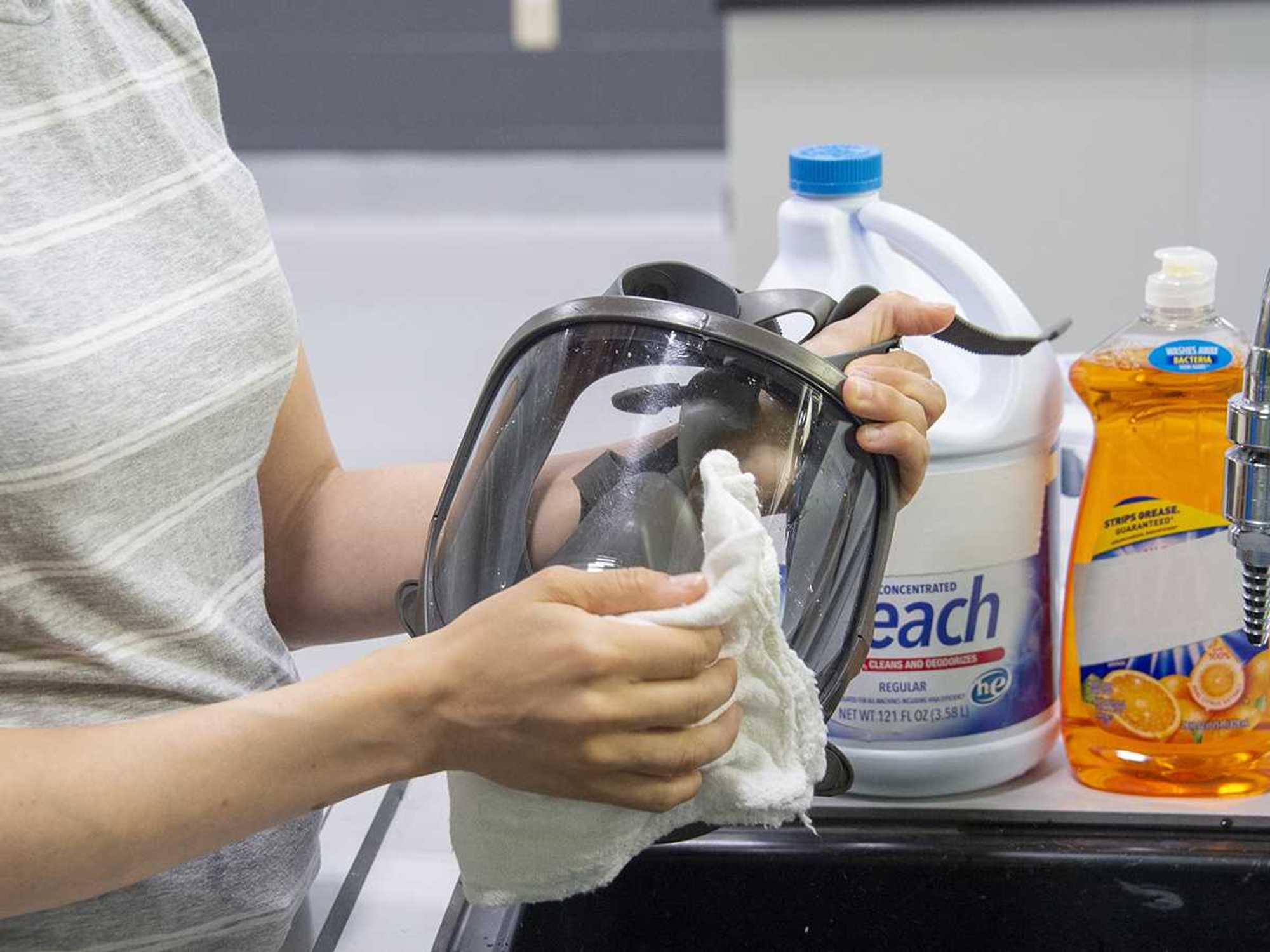
- Employers must train employees on the types of respiratory protection that they will be using, and the limitations of such equipment. Employees who are working in atmospheres immediately dangerous to life or health should also be trained in rescue procedures.
- Respiratory protection must be cleaned and disinfected regularly, inspected for damage, and properly stored when not in use.
- Employers must provide written schedules and procedures for these activities.
Training is essential for correct respirator use. Employers must teach both supervisors and employees how to properly select, use, and maintain respirators. The training program should be developed based on employees’ education level and language background.
All employees required to use respiratory protective equipment must be trained in the proper use of the equipment and its limitations. Additionally, those employees who will be required to use respiratory protective equipment in atmospheres immediately dangerous to life or health should be trained in rescue procedures.
The training must include instructions on fitting and how to check the facepiece-to-face seal. The employee must be given an opportunity to handle the respirator, wear it in normal air for a period of time to become familiar with it, practice adjusting it, and then wear it in a test atmosphere.
The Occupational Health and Safety Administration (OSHA) requires that employee respirator training must include an explanation of the following:
- Why the respirator is necessary, including the nature of the respiratory hazard and what may happen if the respirator is not fitted, used, or maintained properly;
- Engineering and administrative controls being used and the need for the respirator as added protection;
- Reason(s) for selecting a particular type of respirator;
- Capabilities and limitations of the selected respirator;
- How to inspect, put on and remove, and check the seals of the respirator;
- Respirator maintenance and storage requirements;
- How to use the respirator effectively in emergency situations, including when the respirator malfunctions; and
- How to recognize medical signs and symptoms that may limit or prevent the effective use of the respirator.
Users should know that improper respirator use or maintenance may cause overexposure. They also need to understand that continued use of poorly fitted and maintained respirators can cause chronic disease or death from overexposure to air contaminants.
Maintenance and inspection requirements
Thorough training in care and maintenance of respirators will help keep the program running smoothly for a long time. Employers should make sure to have sufficient equipment and supplies to provide for the cleaning and disinfecting, storage, inspection, and repair of respirators. The written program must include schedules and procedures for these activities. OSHA provides procedures for cleaning and disinfecting respirators in Appendix B-2 of the Respiratory Protection regulation. If manufacturer recommended procedures are used, they must be equally effective.
:
personal-protective-equipment
FOUNDATIONAL LEARNING
Training and maintenance for respiratory PPE
InstitutePersonal Protective EquipmentSafety & HealthIn Depth Sub Topics (Level 4)General Industry SafetyRespiratory ProtectionEnglishAnalysisFocus AreaUSA
['Personal Protective Equipment']
- Employers must train employees on the types of respiratory protection that they will be using, and the limitations of such equipment. Employees who are working in atmospheres immediately dangerous to life or health should also be trained in rescue procedures.
- Respiratory protection must be cleaned and disinfected regularly, inspected for damage, and properly stored when not in use.
- Employers must provide written schedules and procedures for these activities.
Training is essential for correct respirator use. Employers must teach both supervisors and employees how to properly select, use, and maintain respirators. The training program should be developed based on employees’ education level and language background.
All employees required to use respiratory protective equipment must be trained in the proper use of the equipment and its limitations. Additionally, those employees who will be required to use respiratory protective equipment in atmospheres immediately dangerous to life or health should be trained in rescue procedures.
The training must include instructions on fitting and how to check the facepiece-to-face seal. The employee must be given an opportunity to handle the respirator, wear it in normal air for a period of time to become familiar with it, practice adjusting it, and then wear it in a test atmosphere.
The Occupational Health and Safety Administration (OSHA) requires that employee respirator training must include an explanation of the following:
- Why the respirator is necessary, including the nature of the respiratory hazard and what may happen if the respirator is not fitted, used, or maintained properly;
- Engineering and administrative controls being used and the need for the respirator as added protection;
- Reason(s) for selecting a particular type of respirator;
- Capabilities and limitations of the selected respirator;
- How to inspect, put on and remove, and check the seals of the respirator;
- Respirator maintenance and storage requirements;
- How to use the respirator effectively in emergency situations, including when the respirator malfunctions; and
- How to recognize medical signs and symptoms that may limit or prevent the effective use of the respirator.
Users should know that improper respirator use or maintenance may cause overexposure. They also need to understand that continued use of poorly fitted and maintained respirators can cause chronic disease or death from overexposure to air contaminants.
Maintenance and inspection requirements
Thorough training in care and maintenance of respirators will help keep the program running smoothly for a long time. Employers should make sure to have sufficient equipment and supplies to provide for the cleaning and disinfecting, storage, inspection, and repair of respirators. The written program must include schedules and procedures for these activities. OSHA provides procedures for cleaning and disinfecting respirators in Appendix B-2 of the Respiratory Protection regulation. If manufacturer recommended procedures are used, they must be equally effective.
2656872451
2656871201
UPGRADE TO CONTINUE READING
RELATED TOPICS
J. J. Keller is the trusted source for DOT / Transportation, OSHA / Workplace Safety, Human Resources, Construction Safety and Hazmat / Hazardous Materials regulation compliance products and services. J. J. Keller helps you increase safety awareness, reduce risk, follow best practices, improve safety training, and stay current with changing regulations.
Copyright 2026 J. J. Keller & Associate, Inc. For re-use options please contact copyright@jjkeller.com or call 800-558-5011.