Compliance Just Got Easier: Stay ahead of regulatory changes with instant notifications on updates that matter.
['Personal Protective Equipment']
['Head Protection']
09/02/2026

Copyright 2026 J. J. Keller & Associate, Inc. For re-use options please contact copyright@jjkeller.com or call 800-558-5011.
:
|
InstituteHead ProtectionPersonal Protective EquipmentSafety & HealthIn Depth Sub Topics (Level 4)General Industry SafetyEnglishAnalysisFocus AreaUSA
Training and maintenance for head PPE
['Personal Protective Equipment']
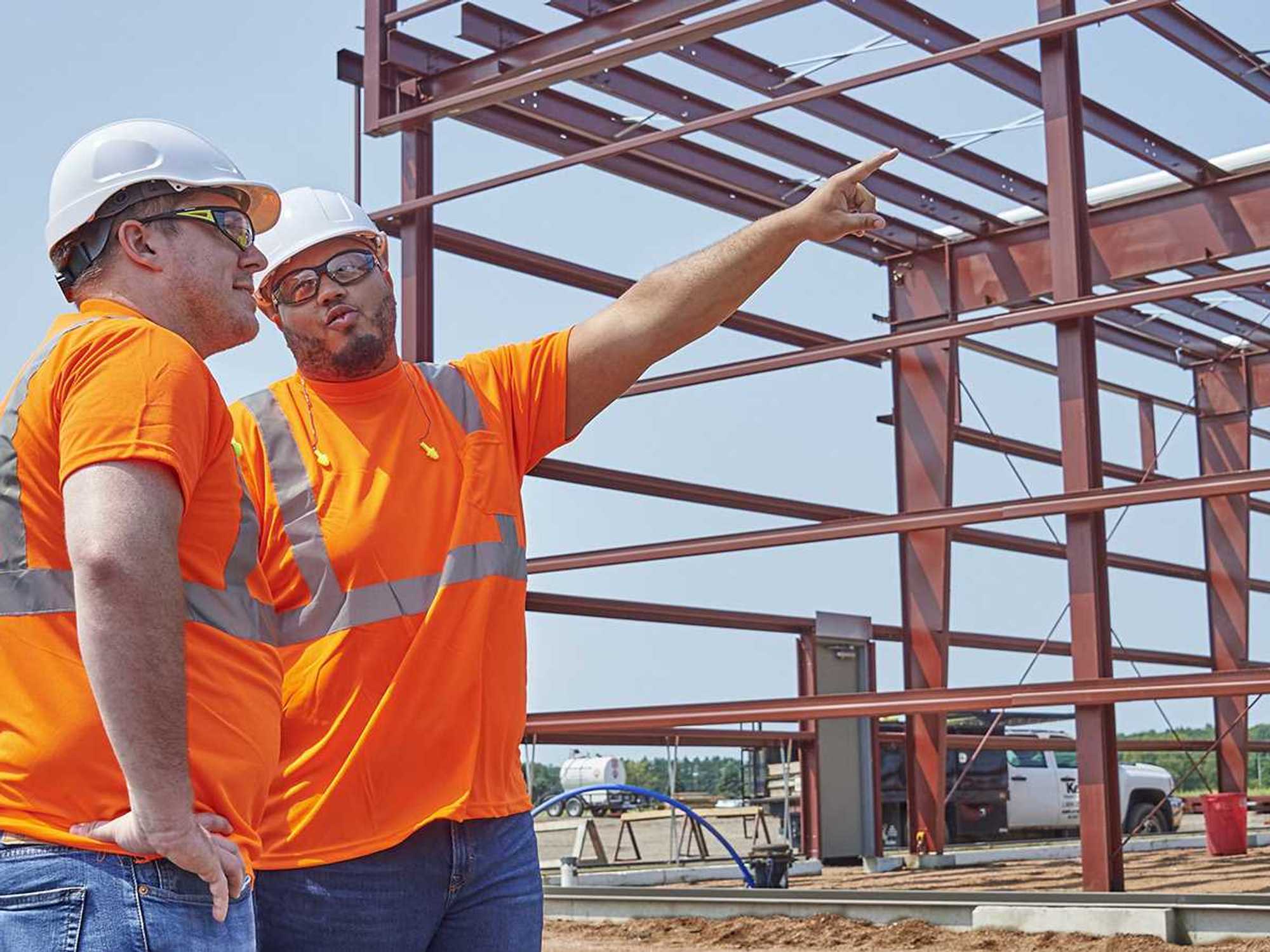
- Employers must train employees in the use and care of the type of head protection they will be using.
- Helmets must be cleaned and inspected for damage regularly.
- Helmets must be stored properly
An effective head protection training program involves training employees, so they know:
- When head protection is necessary. Share company policies or show workers hard hat designated areas which may be indicated by signs.
- What head protection is necessary.
- How to properly don, doff, adjust, and wear head protection.
- The limitations of the head protection.
- The proper care, maintenance, useful life, and disposal of head protection.
Maintenance and inspection requirements
Periodic cleaning and inspection will extend the useful life of protective headgear. A daily inspection of the hard hat shell, suspension system, and other accessories for holes, cracks, tears, or other damage that might compromise the protective value of the hat is essential.
Paints, paint thinners, and some cleaning agents can weaken the shells of hard hats and may eliminate electrical resistance. Employers should consult the helmet manufacturer for information on the effects of paint and cleaning materials on their hard hats.
Employees should never drill holes, paint, or apply labels to protective headgear, as this may reduce the integrity of the protection.
Employees should be trained not to store protective headgear in direct sunlight, such as on the rear window shelf of a car, since sunlight and extreme heat can damage them.
Employers must always replace a hard hat if the hat sustains an impact, even if damage is not noticeable. Suspension systems are offered as replacement parts and should be replaced when damaged or when excessive wear is noticed. It is not necessary to replace the entire hard hat when deterioration or tears of the suspension systems are noticed.
Defective hard hats
Employers should remove from service hard hats with any of the following defects:
- Perforation, cracking, or deformity of the brim or shell.
- Indication of exposure of the brim or shell to heat, chemicals, ultraviolet light, and other radiation (in addition to a loss of surface gloss, such signs include chalking or flaking).
:
personal-protective-equipment
FOUNDATIONAL LEARNING
Training and maintenance for head PPE
InstituteHead ProtectionPersonal Protective EquipmentSafety & HealthIn Depth Sub Topics (Level 4)General Industry SafetyEnglishAnalysisFocus AreaUSA
['Personal Protective Equipment']
- Employers must train employees in the use and care of the type of head protection they will be using.
- Helmets must be cleaned and inspected for damage regularly.
- Helmets must be stored properly
An effective head protection training program involves training employees, so they know:
- When head protection is necessary. Share company policies or show workers hard hat designated areas which may be indicated by signs.
- What head protection is necessary.
- How to properly don, doff, adjust, and wear head protection.
- The limitations of the head protection.
- The proper care, maintenance, useful life, and disposal of head protection.
Maintenance and inspection requirements
Periodic cleaning and inspection will extend the useful life of protective headgear. A daily inspection of the hard hat shell, suspension system, and other accessories for holes, cracks, tears, or other damage that might compromise the protective value of the hat is essential.
Paints, paint thinners, and some cleaning agents can weaken the shells of hard hats and may eliminate electrical resistance. Employers should consult the helmet manufacturer for information on the effects of paint and cleaning materials on their hard hats.
Employees should never drill holes, paint, or apply labels to protective headgear, as this may reduce the integrity of the protection.
Employees should be trained not to store protective headgear in direct sunlight, such as on the rear window shelf of a car, since sunlight and extreme heat can damage them.
Employers must always replace a hard hat if the hat sustains an impact, even if damage is not noticeable. Suspension systems are offered as replacement parts and should be replaced when damaged or when excessive wear is noticed. It is not necessary to replace the entire hard hat when deterioration or tears of the suspension systems are noticed.
Defective hard hats
Employers should remove from service hard hats with any of the following defects:
- Perforation, cracking, or deformity of the brim or shell.
- Indication of exposure of the brim or shell to heat, chemicals, ultraviolet light, and other radiation (in addition to a loss of surface gloss, such signs include chalking or flaking).
2656869087
2656868055
UPGRADE TO CONTINUE READING
RELATED TOPICS
J. J. Keller is the trusted source for DOT / Transportation, OSHA / Workplace Safety, Human Resources, Construction Safety and Hazmat / Hazardous Materials regulation compliance products and services. J. J. Keller helps you increase safety awareness, reduce risk, follow best practices, improve safety training, and stay current with changing regulations.
Copyright 2026 J. J. Keller & Associate, Inc. For re-use options please contact copyright@jjkeller.com or call 800-558-5011.