
Sources of pollutants in stormwater runoff
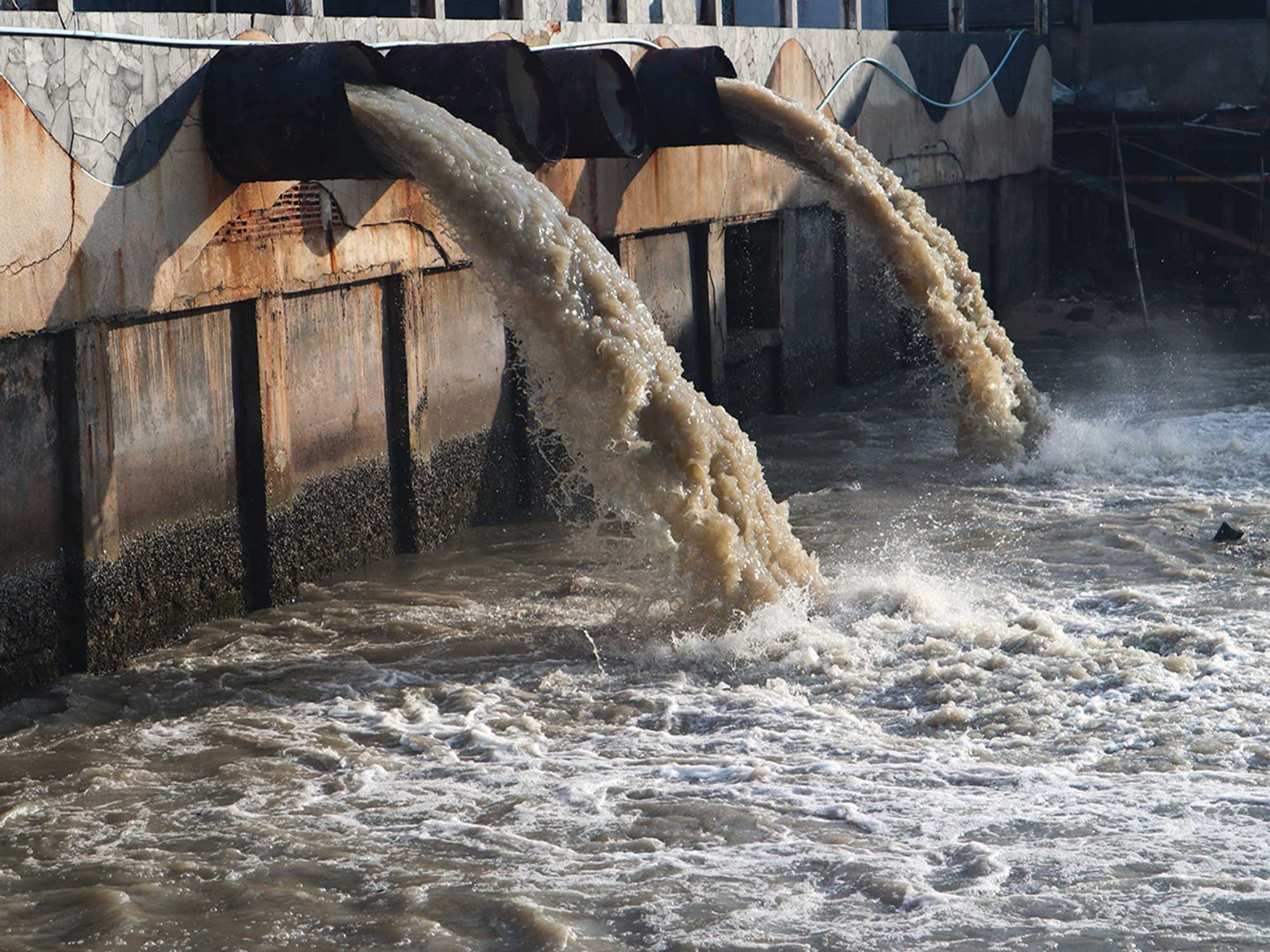
- Stormwater runoff is water from rain or snowmelt that does not immediately soak into the ground and flows over or through natural or artificial storage or conveyance systems.
- EPA has identified six types of activities at industrial facilities that have the potential to be major sources of pollutants in stormwater.
Stormwater runoff is water from rain or snowmelt that does not immediately soak into the ground and flows over or through natural or artificial storage or conveyance systems. When undeveloped areas are converted to land uses with impervious surfaces such as buildings, parking lots, and roads, the natural hydrology of the land is altered and can result in increased surface runoff rates, volumes, and pollutant loads.
Stormwater runoff picks up industrial pollutants and typically discharges them directly into nearby waterbodies or indirectly via storm sewer systems. Runoff from areas where industrial activities occur can contain toxic pollutants (e.g., heavy metals and organic chemicals) and other pollutants such as trash, debris, and oil and grease, when facility practices allow exposure of industrial materials to stormwater. This increased flow and pollutant load can impair waterbodies, degrade biological habitats, pollute drinking water sources, and cause flooding and hydrologic changes to the receiving water, such as channel erosion.
Stormwater runoff can carry pollutants from impervious surfaces to receiving waters. Industrial facilities typically perform a portion of their activities in outdoor areas exposed to the elements. This may include activities such as material storage and handling, vehicle fueling and maintenance, shipping and receiving, and salt storage, all of which can result in pollutants being exposed to precipitation and capable of being carried off in stormwater runoff. Also, facilities may have performed industrial activities outdoors in the past and materials from those activities still remain exposed to precipitation. In addition, accidental spills and leaks, improper waste disposal, and illicit connections to storm sewers may also lead to exposure of pollutants to stormwater.
The Environmental Protection Agency (EPA) has identified six types of activities at industrial facilities that have the potential to be major sources of pollutants in stormwater:
- Loading and unloading operations. Loading and unloading operations can include pumping of liquids or gases from tankers to storage facilities, pneumatic transfer of dry chemicals, transfer by mechanical conveyor systems, or transfer of bags, boxes, drums or other containers by forklift or other material handling equipment. Material spills or losses in these areas can accumulate and be washed away during a storm.
- Outdoor storage. Outdoor storage activities include storage of fuels, raw materials, by-products, intermediate products, final products, and process residuals. Materials may be stored in containers, on platforms or pads, in bins, boxes or silos, or as piles. Storage areas that are exposed to rainfall and/or runoff can contribute pollutants to stormwater when solid materials wash off or materials dissolve into solution.
- Outdoor process activities. Although many manufacturing activities are performed indoors, some activities, such as timber processing, rock crushing, and concrete mixing, occur outdoors. Outdoor processing activities can result in liquid spillage and losses of material solids, which makes associated pollutants available for discharge in runoff.
- Dust or particulate generating processes. Dust or particulate generating processes include industrial activities with stack emissions or process dusts that settle on surfaces. Some industries, such as mines, cement manufacturing, and refractories, also generate significant levels of dust that can be mobilized in stormwater runoff.
- Illicit connections and non-stormwater discharges. Illicit connections of process wastes or other pollutants to stormwater collection systems, instead of to sanitary sewers, can be a significant source of stormwater pollution. Non-stormwater discharges include any discharge from the facility that is not generated by rainfall runoff (for example, wash water from industrial processes). With few exceptions, these non-stormwater discharges are prohibited. Refer to the permit for a list of authorized non-stormwater discharges.
- Waste management. Waste management practices include everything from landfills to waste piles to trash containment. All industrial facilities conduct some type of waste management at their site, much of it outdoors, which must be controlled to prevent pollutant discharges in stormwater.