Compliance Just Got Easier: Stay ahead of regulatory changes with instant notifications on updates that matter.
['Infectious Diseases']
['Infectious Diseases', 'COVID-19', 'Pandemic Flu']
11/13/2025

Copyright 2026 J. J. Keller & Associate, Inc. For re-use options please contact copyright@jjkeller.com or call 800-558-5011.
:
|
InstituteInfectious DiseasesInfectious DiseasesCOVID-19Pandemic FluIn Depth (Level 3)EnglishAnalysisFocus AreaUSA
SARS and healthcare workers
['Infectious Diseases']
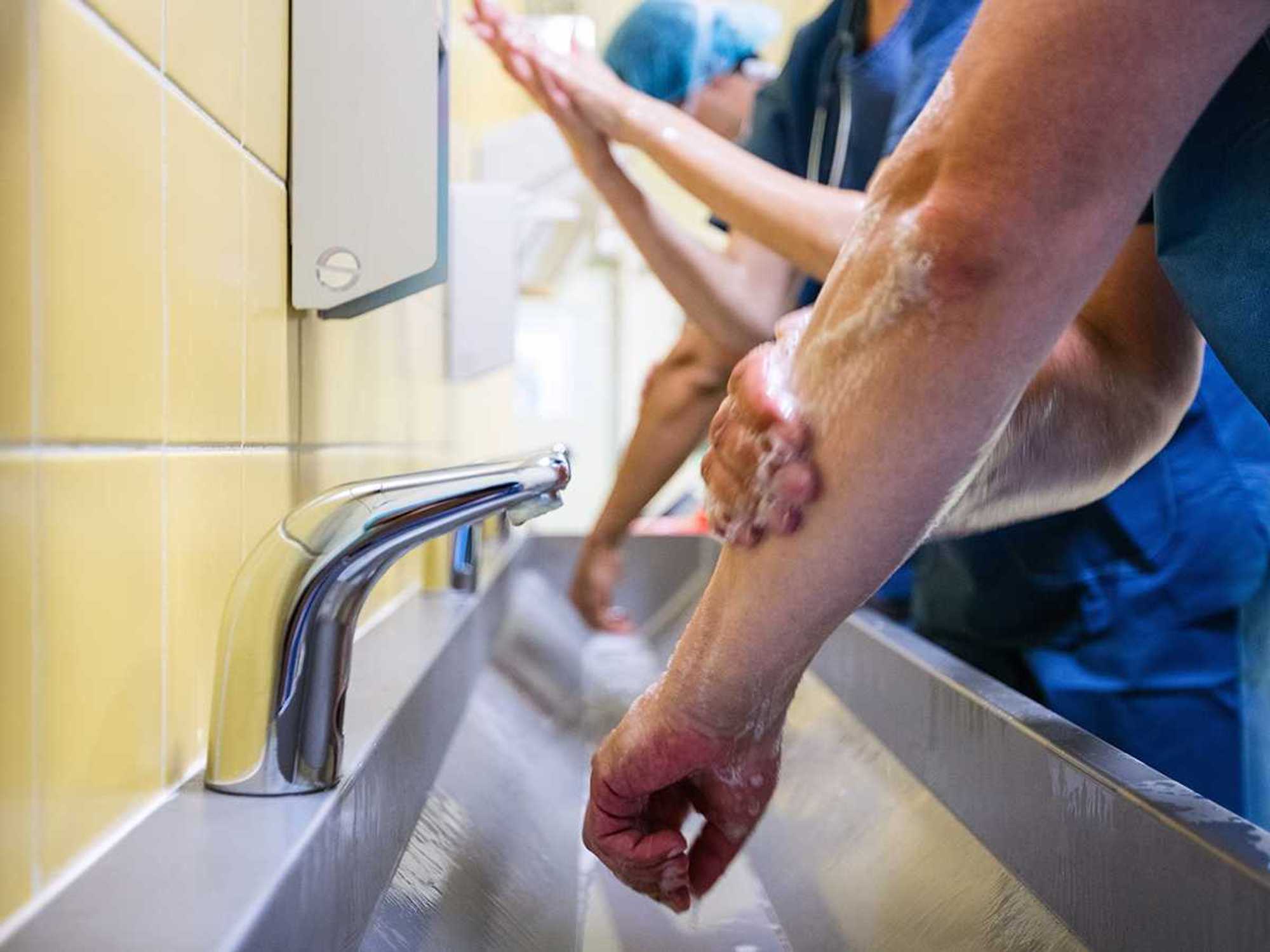
- Healthcare workers who treat SARS patients should use good hygiene practices and appropriate PPE, including for bloodborne and airborne exposures.
The Centers for Disease Control and Prevention (CDC) provides the following general information in Health-care-associated infections (HAIs) on infection control for healthcare workers.
- Standard precautions and personal protective equipment. Since the infectivity and route of transmission of SARS are unknown, healthcare workers treating patients known to be infected with SARS should use standard precautions, including good work and hygiene practices and the use of personal protective equipment (PPE) appropriate for bloodborne and airborne exposures. Appropriate PPE includes protective gowns, gloves, N95 respirators, and eye protection. If workers providing care to a SARS patient have potential exposure to blood or other potentially infectious materials, they must use PPE in accordance with OSHA’s Bloodborne Pathogens Standard, 1910.1030. Refer to the Bloodborne Pathogens Technical Links page for information on the standard.
- Engineering controls. Acute care facilities already should have appropriate ventilation systems (including appropriate exhaust and filtration) to eliminate the potential for exposure to airborne infectious diseases. If appropriate ventilation systems are in place, any airborne SARS exposures should also be controlled. Individuals with suspected SARS should be placed in an isolation room with negative pressure. If air recirculation is unavoidable, infected individuals should be placed in an area that exhausts room air directly to the outdoors or through high-efficiency particulate air (HEPA) filters.
- Housekeeping. The Environmental Protection Agency (EPA) maintains a list of disinfectants that are effective on the SARS virus when used as directed on the label.
:
infectious-diseases
infectious-diseases
FOUNDATIONAL LEARNING
InstituteMedical ExaminationsMedical and Exposure RecordsPersonal Protective EquipmentIn Depth Sub Topics (Level 4)Disabilities and ADAEnglishPersonal Protective EquipmentDiscriminationDiscriminationMedical and Exposure RecordsEye and Face ProtectionInfectious DiseasesAge DiscriminationInfectious DiseasesCOVID-19Hand ProtectionRespiratory ProtectionAnalysisFocus AreaDisabilities and ADAUSA
Guidance for job tasks associated with certain risk levels
InstituteAnalysisMedical and Exposure RecordsPersonal Protective EquipmentLaboratory SafetyIn Depth (Level 3)USASanitationEnglishPersonal Protective EquipmentMedical and Exposure RecordsInfectious DiseasesInjury and Illness RecordkeepingInfectious DiseasesCOVID-19Temporary Labor CampsGeneral Duty ClauseSanitationSigns and MarkingsOSHA RecordkeepingRespiratory ProtectionSigns and MarkingsGeneral Duty ClauseFocus AreaToxic and Hazardous Substances - OSHAInjury and Illness Recordkeeping
Related laws and regulations
SARS and healthcare workers
InstituteInfectious DiseasesInfectious DiseasesCOVID-19Pandemic FluIn Depth (Level 3)EnglishAnalysisFocus AreaUSA
['Infectious Diseases']
- Healthcare workers who treat SARS patients should use good hygiene practices and appropriate PPE, including for bloodborne and airborne exposures.
The Centers for Disease Control and Prevention (CDC) provides the following general information in Health-care-associated infections (HAIs) on infection control for healthcare workers.
- Standard precautions and personal protective equipment. Since the infectivity and route of transmission of SARS are unknown, healthcare workers treating patients known to be infected with SARS should use standard precautions, including good work and hygiene practices and the use of personal protective equipment (PPE) appropriate for bloodborne and airborne exposures. Appropriate PPE includes protective gowns, gloves, N95 respirators, and eye protection. If workers providing care to a SARS patient have potential exposure to blood or other potentially infectious materials, they must use PPE in accordance with OSHA’s Bloodborne Pathogens Standard, 1910.1030. Refer to the Bloodborne Pathogens Technical Links page for information on the standard.
- Engineering controls. Acute care facilities already should have appropriate ventilation systems (including appropriate exhaust and filtration) to eliminate the potential for exposure to airborne infectious diseases. If appropriate ventilation systems are in place, any airborne SARS exposures should also be controlled. Individuals with suspected SARS should be placed in an isolation room with negative pressure. If air recirculation is unavoidable, infected individuals should be placed in an area that exhausts room air directly to the outdoors or through high-efficiency particulate air (HEPA) filters.
- Housekeeping. The Environmental Protection Agency (EPA) maintains a list of disinfectants that are effective on the SARS virus when used as directed on the label.
2657104836
2657105609
UPGRADE TO CONTINUE READING
J. J. Keller is the trusted source for DOT / Transportation, OSHA / Workplace Safety, Human Resources, Construction Safety and Hazmat / Hazardous Materials regulation compliance products and services. J. J. Keller helps you increase safety awareness, reduce risk, follow best practices, improve safety training, and stay current with changing regulations.
Copyright 2026 J. J. Keller & Associate, Inc. For re-use options please contact copyright@jjkeller.com or call 800-558-5011.