Compliance Just Got Easier: Stay ahead of regulatory changes with instant notifications on updates that matter.
['Diseases and illnesses']
['Pandemic Flu']
11/17/2025

Copyright 2026 J. J. Keller & Associate, Inc. For re-use options please contact copyright@jjkeller.com or call 800-558-5011.
:
|
InstituteSafety & HealthIn Depth Sub Topics (Level 4)General Industry SafetyDiseases and illnessesPandemic FluEnglishAnalysisFocus AreaUSA
Risks to workers who are pregnant or may become pregnant
['Diseases and illnesses']
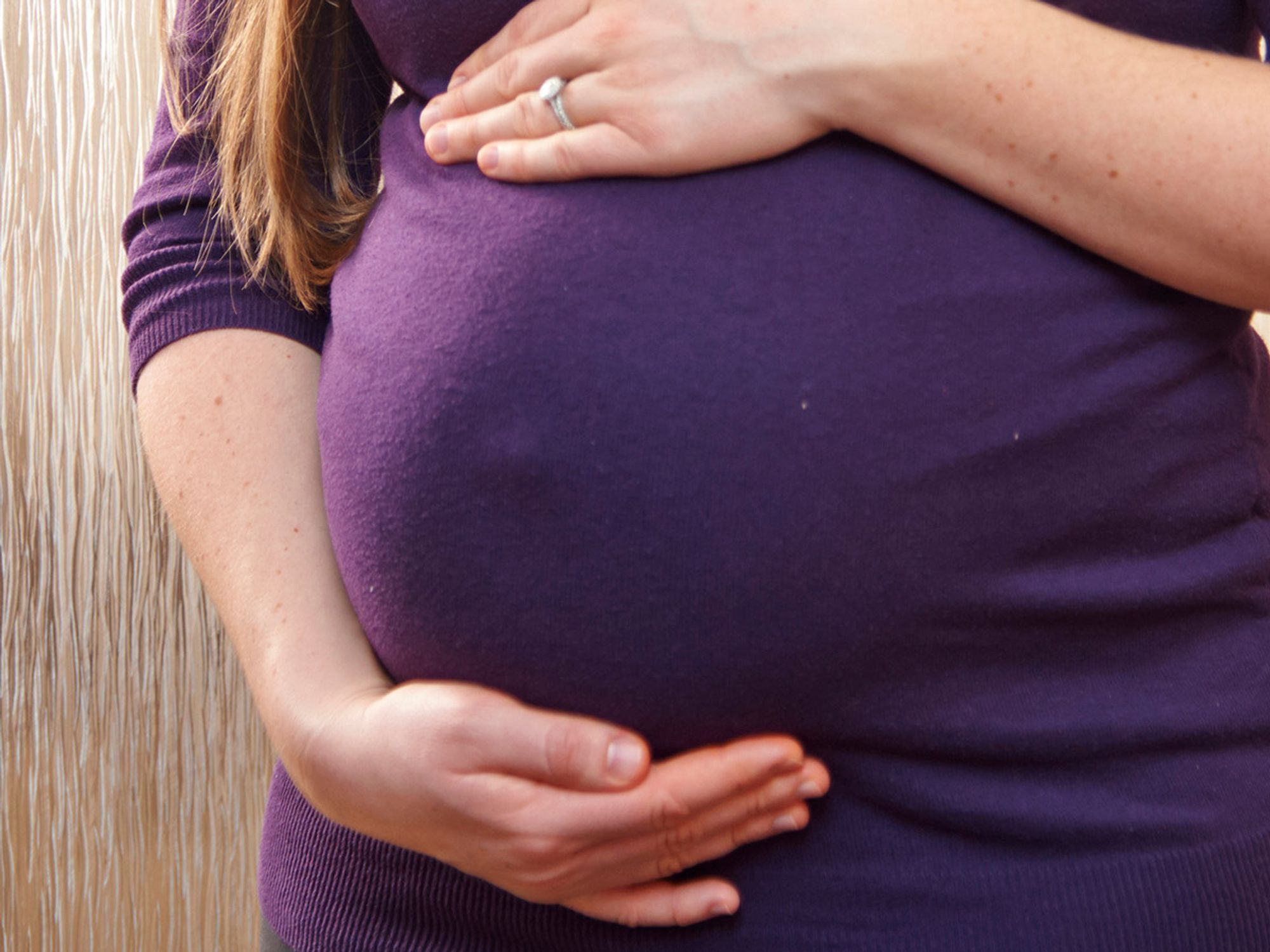
- Pregnant women who get measles may have more severe complications than non-pregnant women, and can transmit the virus to the fetus, which can lead to complications.
- The CDC recommends the measles vaccination at least one month before becoming pregnant.
Measles can be especially hazardous for workers who are or may become pregnant. Pregnant women who get measles may experience more frequent or severe complications from the virus, including pneumonia and death, compared to non-pregnant women. Measles infection during pregnancy also may cause expectant mothers to have miscarriages, give birth prematurely, or deliver low-birth-weight babies.
Pregnant women who get measles can transmit the infection to the fetus if they have the virus within about 10 days of delivery. In addition to premature birth and low birth weight, measles can lead to other complications and death among infants born with the virus or infected shortly after birth. Measles may be especially severe among such infants.
Infected partners and other contacts of susceptible, pregnant women can also easily spread measles to them.
Because of the risk of adverse health effects associated with measles infection during pregnancy, the Centers for Disease Control and Prevention (CDC) recommends that anyone without immunity get the MMR vaccine at least one month before becoming pregnant. The MMR vaccine may cause complications if administered during pregnancy.
:
diseases-and-illnesses
FOUNDATIONAL LEARNING
Risks to workers who are pregnant or may become pregnant
InstituteSafety & HealthIn Depth Sub Topics (Level 4)General Industry SafetyDiseases and illnessesPandemic FluEnglishAnalysisFocus AreaUSA
['Diseases and illnesses']
- Pregnant women who get measles may have more severe complications than non-pregnant women, and can transmit the virus to the fetus, which can lead to complications.
- The CDC recommends the measles vaccination at least one month before becoming pregnant.
Measles can be especially hazardous for workers who are or may become pregnant. Pregnant women who get measles may experience more frequent or severe complications from the virus, including pneumonia and death, compared to non-pregnant women. Measles infection during pregnancy also may cause expectant mothers to have miscarriages, give birth prematurely, or deliver low-birth-weight babies.
Pregnant women who get measles can transmit the infection to the fetus if they have the virus within about 10 days of delivery. In addition to premature birth and low birth weight, measles can lead to other complications and death among infants born with the virus or infected shortly after birth. Measles may be especially severe among such infants.
Infected partners and other contacts of susceptible, pregnant women can also easily spread measles to them.
Because of the risk of adverse health effects associated with measles infection during pregnancy, the Centers for Disease Control and Prevention (CDC) recommends that anyone without immunity get the MMR vaccine at least one month before becoming pregnant. The MMR vaccine may cause complications if administered during pregnancy.
2674294124
2674294139
UPGRADE TO CONTINUE READING
RELATED TOPICS
J. J. Keller is the trusted source for DOT / Transportation, OSHA / Workplace Safety, Human Resources, Construction Safety and Hazmat / Hazardous Materials regulation compliance products and services. J. J. Keller helps you increase safety awareness, reduce risk, follow best practices, improve safety training, and stay current with changing regulations.
Copyright 2026 J. J. Keller & Associate, Inc. For re-use options please contact copyright@jjkeller.com or call 800-558-5011.