Compliance Just Got Easier: Stay ahead of regulatory changes with instant notifications on updates that matter.
['Diseases and illnesses']
['Pandemic Flu']
11/17/2025

Copyright 2026 J. J. Keller & Associate, Inc. For re-use options please contact copyright@jjkeller.com or call 800-558-5011.
:
|
InstituteSafety & HealthGeneral Industry SafetyDiseases and illnessesPandemic FluEnglishAnalysisFocus AreaCompliance and Exceptions (Level 2)USA
MERS
['Diseases and illnesses']
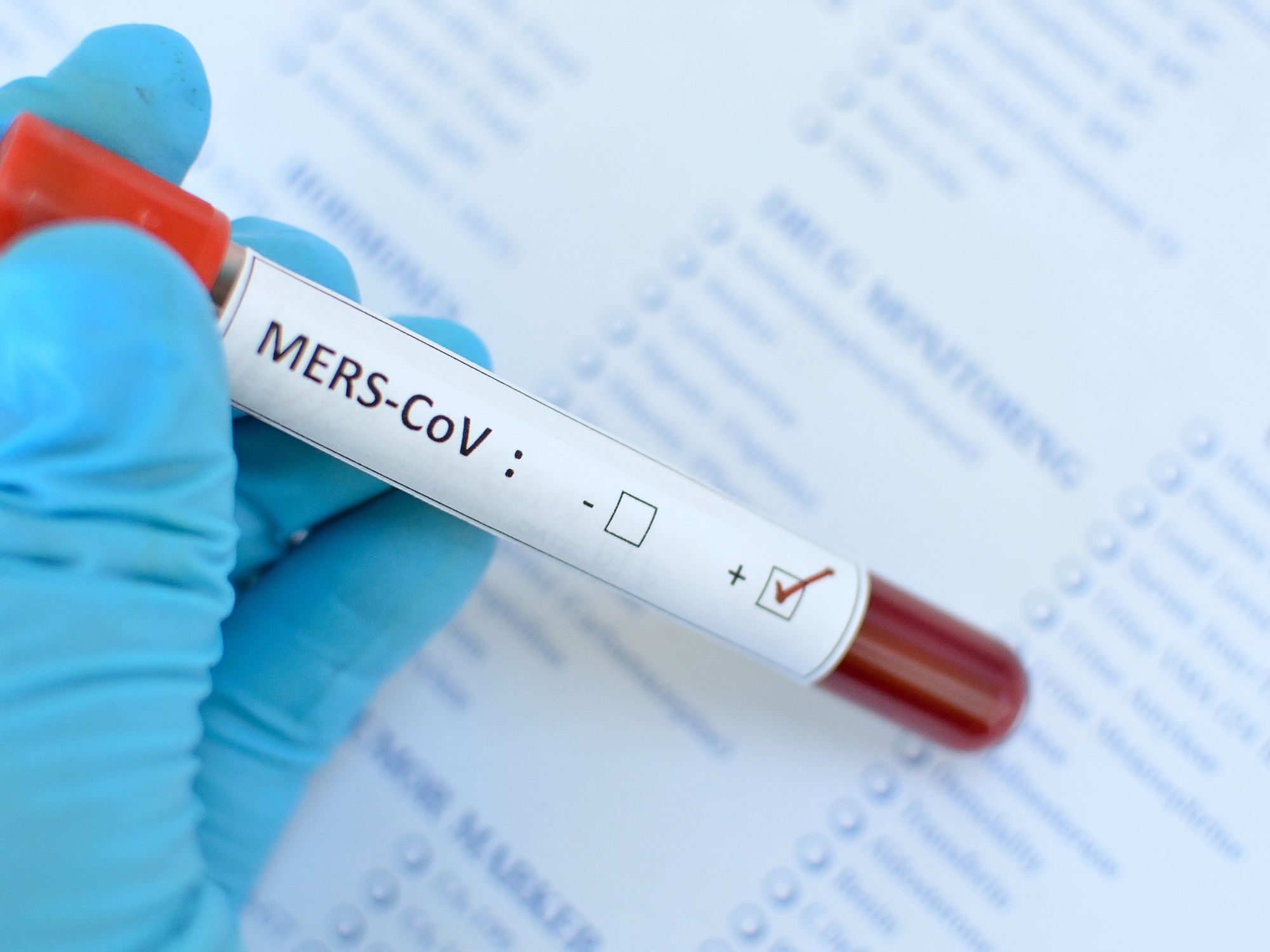
- MERS is a respiratory disease caused by the coronavirus MERS-CoV. Symptoms include cough, shortness of breath, and fever, and is fatal in approximately 35 percent of cases.
- Most workers in the U.S. are unlikely to encounter the virus that causes MERS, except through travel-related cases. There is no vaccine or treatment for MERS.
Middle East Respiratory Syndrome (MERS) is a viral respiratory disease that primarily affects the lungs and breathing passages. It is caused by the coronavirus MERS-CoV. MERS was first reported in Saudi Arabia in 2012. At least 25 other countries have reported confirmed cases of MERS. So far, all cases of MERS link to countries in and near the Arabian Peninsula. The disease has spread to other regions, including the United States, Europe, and South Korea through travel-associated cases. Only two patients in the U.S. have tested positive for MERS-CoV infection out of more than 500 suspected cases of MERS. Both positive cases occurred in May 2014 in individuals visiting the U.S. from Saudi Arabia.
The most recent MERS-CoV outbreak — primarily affecting South Korea — is the largest outside the Middle East. The World Health Organization (WHO) stays up-to-date with information on the outbreaks of MERS.
MERS-CoV does not generally spread among the general population in areas affected by an outbreak, but it is thought to spread from person to person through close contact, such as healthcare workers caring for infected patients, or people living with an infected person. There is no evidence to date of MERS-CoV spread in a sustained pattern in communities.
MERS symptoms usually include cough, shortness of breath, and fever. Some people may also experience gastrointestinal symptoms, such as nausea, vomiting, and diarrhea. More severe complications such as pneumonia and kidney failure can also occur. Approximately 35 percent of patients infected with MERS-CoV die from the illness. Treatment for this viral infection is supportive based on the medical condition of the patient. No vaccine or chemoprophylaxis (e.g., an effective antiviral medicine) currently exists for MERS.
Most workers in the U.S. are unlikely to encounter MERS-CoV or individuals with MERS. People who may be at increased risk for MERS include travelers returning from the Arabian Peninsula, close contacts with an ill traveler from the Arabian Peninsula, close contacts with a confirmed case of MERS, and healthcare personnel not following recommended infection-control practices. The majority of cases in the South Korean outbreak resulted from human-to-human transmission in healthcare settings, including some cases attributable to suboptimal infection prevention and control in such facilities. In addition to healthcare, other sectors with some risk for exposure include laboratories, mortuaries, medical transportation and airlines.
:
diseases-and-illnesses
FOUNDATIONAL LEARNING
- MERS is a respiratory disease caused by the coronavirus MERS-CoV. Symptoms include cough, shortness of breath, and fever, and is fatal in approximately 35 percent of cases.
- Most workers in the U.S. are unlikely to encounter the virus that causes MERS, except through travel-related cases. There is no vaccine or treatment for MERS.
Middle East Respiratory Syndrome (MERS) is a viral respiratory disease that primarily affects the lungs and breathing passages. It is caused by the coronavirus MERS-CoV. MERS was first reported in Saudi Arabia in 2012. At least 25 other countries have reported confirmed cases of MERS. So far, all cases of MERS link to countries in and near the Arabian Peninsula. The disease has spread to other regions, including the United States, Europe, and South Korea through travel-associated cases. Only two patients in the U.S. have tested positive for MERS-CoV infection out of more than 500 suspected cases of MERS. Both positive cases occurred in May 2014 in individuals visiting the U.S. from Saudi Arabia.
The most recent MERS-CoV outbreak — primarily affecting South Korea — is the largest outside the Middle East. The World Health Organization (WHO) stays up-to-date with information on the outbreaks of MERS.
MERS-CoV does not generally spread among the general population in areas affected by an outbreak, but it is thought to spread from person to person through close contact, such as healthcare workers caring for infected patients, or people living with an infected person. There is no evidence to date of MERS-CoV spread in a sustained pattern in communities.
MERS symptoms usually include cough, shortness of breath, and fever. Some people may also experience gastrointestinal symptoms, such as nausea, vomiting, and diarrhea. More severe complications such as pneumonia and kidney failure can also occur. Approximately 35 percent of patients infected with MERS-CoV die from the illness. Treatment for this viral infection is supportive based on the medical condition of the patient. No vaccine or chemoprophylaxis (e.g., an effective antiviral medicine) currently exists for MERS.
Most workers in the U.S. are unlikely to encounter MERS-CoV or individuals with MERS. People who may be at increased risk for MERS include travelers returning from the Arabian Peninsula, close contacts with an ill traveler from the Arabian Peninsula, close contacts with a confirmed case of MERS, and healthcare personnel not following recommended infection-control practices. The majority of cases in the South Korean outbreak resulted from human-to-human transmission in healthcare settings, including some cases attributable to suboptimal infection prevention and control in such facilities. In addition to healthcare, other sectors with some risk for exposure include laboratories, mortuaries, medical transportation and airlines.
2674294131
UPGRADE TO CONTINUE READING
RELATED TOPICS
J. J. Keller is the trusted source for DOT / Transportation, OSHA / Workplace Safety, Human Resources, Construction Safety and Hazmat / Hazardous Materials regulation compliance products and services. J. J. Keller helps you increase safety awareness, reduce risk, follow best practices, improve safety training, and stay current with changing regulations.
Copyright 2026 J. J. Keller & Associate, Inc. For re-use options please contact copyright@jjkeller.com or call 800-558-5011.