Compliance Just Got Easier: Stay ahead of regulatory changes with instant notifications on updates that matter.
['Personal Protective Equipment']
['Personal Protective Equipment']
09/02/2026

Copyright 2026 J. J. Keller & Associate, Inc. For re-use options please contact copyright@jjkeller.com or call 800-558-5011.
:
|
InstitutePersonal Protective EquipmentSafety & HealthGeneral Industry SafetyCompliance and Exceptions (Level 2)EnglishAnalysisFocus AreaPersonal Protective EquipmentUSA
Personal protective equipment for Construction
['Personal Protective Equipment']
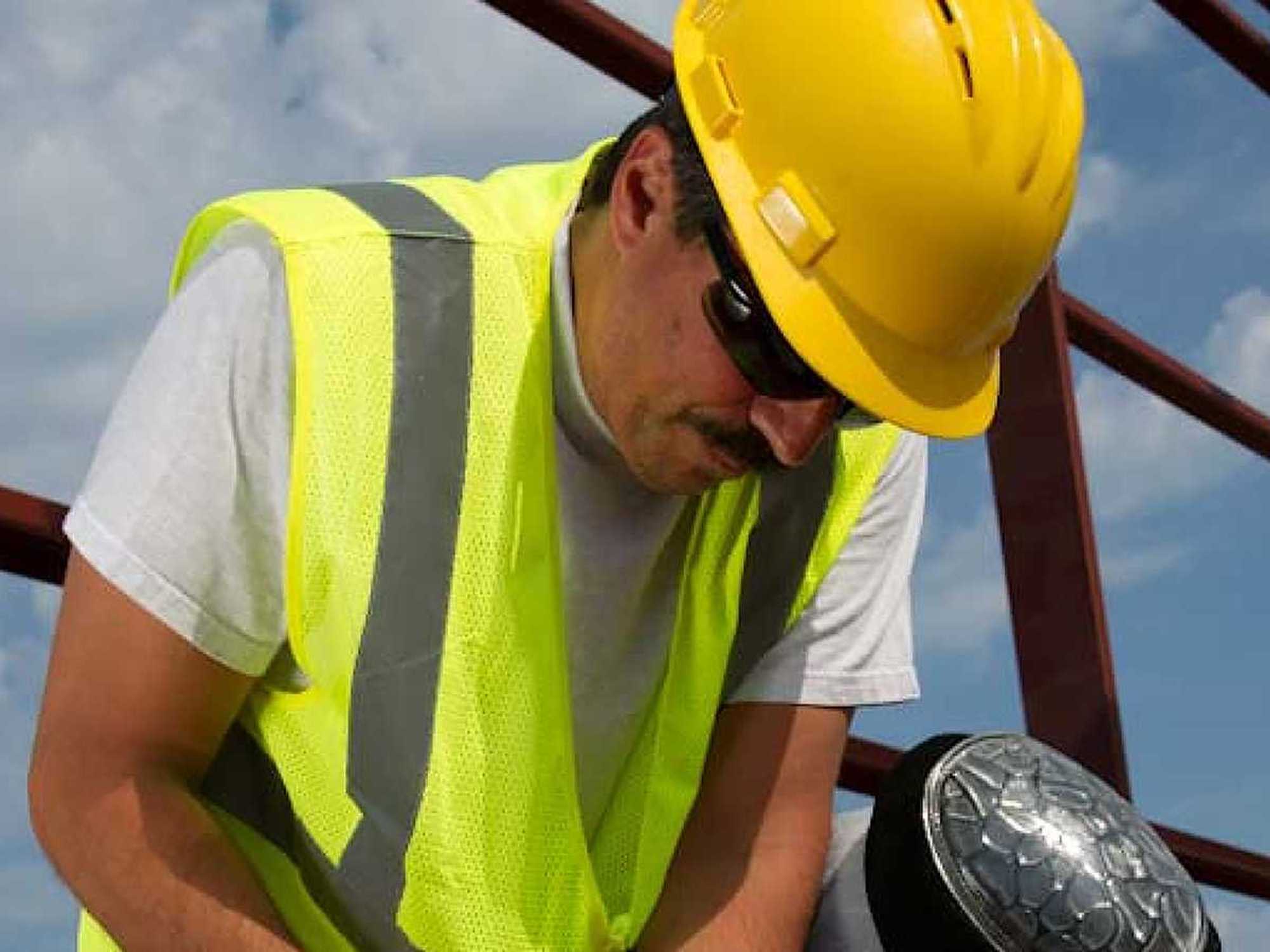
- PPE includes clothing, accessories, and equipment used to protect workers from workplace hazards.
- PPE should be used in conjunction with other hazard control methods. Whenever feasible, hazards should first be eliminated or reduced through engineering controls, administrative controls, or safe work practices.
- Using PPE improperly can reduce its effectiveness and expose workers to additional hazards.
Personal protective equipment (PPE) in construction includes clothing, accessories, and equipment designed to protect workers from workplace hazards. An effective PPE program begins with a thorough assessment of workplace hazards to determine the protection needed for specific tasks and exposures.
The information in this section is intended to supplement applicable regulations and manufacturers' instructions.
While PPE is necessary for many construction activities, it should not be relied on as the primary means of hazard control. Whenever feasible, hazards should be eliminated or reduced through engineering controls, administrative controls, or changes in work practices before PPE is considered.
No single combination of equipment can protect against all hazards. PPE should be selected and used as part of an overall hazard-control strategy. In addition, PPE can create its own risks, including heat stress, reduced visibility, restricted movement, communication difficulties, and physical or psychological stress.
In general, higher levels of PPE may provide greater protection but can also increase these associated risks. Equipment should be selected to provide the protection necessary for the hazard without creating unnecessary burdens on the worker. Both under-protection and over-protection can increase the risk of injury or illness.
PPE must be used in accordance with its intended purpose, limitations, and manufacturers' instructions. Improper use can reduce its effectiveness and may expose workers to additional hazards.
The OSHA standard for PPE for Construction is detailed in 1926.95. (Effective January 13, 2025, OSHA amended the regulation to include "proper fit" in the design and selection of PPE)
Employers should make sure that each employee demonstrates an understanding of the PPE training as well as the ability to properly wear and use PPE before they are allowed to perform work requiring the use of the PPE.
:
personal-protective-equipment
personal-protective-equipment
FOUNDATIONAL LEARNING
Personal protective equipment for Construction
InstitutePersonal Protective EquipmentSafety & HealthGeneral Industry SafetyCompliance and Exceptions (Level 2)EnglishAnalysisFocus AreaPersonal Protective EquipmentUSA
['Personal Protective Equipment']
- PPE includes clothing, accessories, and equipment used to protect workers from workplace hazards.
- PPE should be used in conjunction with other hazard control methods. Whenever feasible, hazards should first be eliminated or reduced through engineering controls, administrative controls, or safe work practices.
- Using PPE improperly can reduce its effectiveness and expose workers to additional hazards.
Personal protective equipment (PPE) in construction includes clothing, accessories, and equipment designed to protect workers from workplace hazards. An effective PPE program begins with a thorough assessment of workplace hazards to determine the protection needed for specific tasks and exposures.
The information in this section is intended to supplement applicable regulations and manufacturers' instructions.
While PPE is necessary for many construction activities, it should not be relied on as the primary means of hazard control. Whenever feasible, hazards should be eliminated or reduced through engineering controls, administrative controls, or changes in work practices before PPE is considered.
No single combination of equipment can protect against all hazards. PPE should be selected and used as part of an overall hazard-control strategy. In addition, PPE can create its own risks, including heat stress, reduced visibility, restricted movement, communication difficulties, and physical or psychological stress.
In general, higher levels of PPE may provide greater protection but can also increase these associated risks. Equipment should be selected to provide the protection necessary for the hazard without creating unnecessary burdens on the worker. Both under-protection and over-protection can increase the risk of injury or illness.
PPE must be used in accordance with its intended purpose, limitations, and manufacturers' instructions. Improper use can reduce its effectiveness and may expose workers to additional hazards.
The OSHA standard for PPE for Construction is detailed in 1926.95. (Effective January 13, 2025, OSHA amended the regulation to include "proper fit" in the design and selection of PPE)
Employers should make sure that each employee demonstrates an understanding of the PPE training as well as the ability to properly wear and use PPE before they are allowed to perform work requiring the use of the PPE.
2656866391
2656867263
UPGRADE TO CONTINUE READING
RELATED TOPICS
J. J. Keller is the trusted source for DOT / Transportation, OSHA / Workplace Safety, Human Resources, Construction Safety and Hazmat / Hazardous Materials regulation compliance products and services. J. J. Keller helps you increase safety awareness, reduce risk, follow best practices, improve safety training, and stay current with changing regulations.
Copyright 2026 J. J. Keller & Associate, Inc. For re-use options please contact copyright@jjkeller.com or call 800-558-5011.