Compliance Just Got Easier: Stay ahead of regulatory changes with instant notifications on updates that matter.
['Toxic Substances Control Act - EPA']
['Toxic Substances - EPA', 'Toxic Subtances Control Act - EPA']
02/26/2026

Copyright 2026 J. J. Keller & Associate, Inc. For re-use options please contact copyright@jjkeller.com or call 800-558-5011.
:
|
InstituteToxic Substances Control Act - EPAToxic Subtances Control Act - EPATSCA ComplianceToxic Substances - EPAEnvironmentalUSAEnglishAnalysisFocus AreaIn Depth (Level 3)
Mercury
['Toxic Substances Control Act - EPA']
- MEBA reduces the availability of mercury in domestic and international markets.
- TSCA amendments made it unlawful to export specific mercury compounds after January 1, 2020.
- Persons who manufacture (including import) mercury or mercury-added products, or otherwise intentionally use mercury in a manufacturing process, must report to EPA every three years under the Mercury Inventory Reporting Rule.
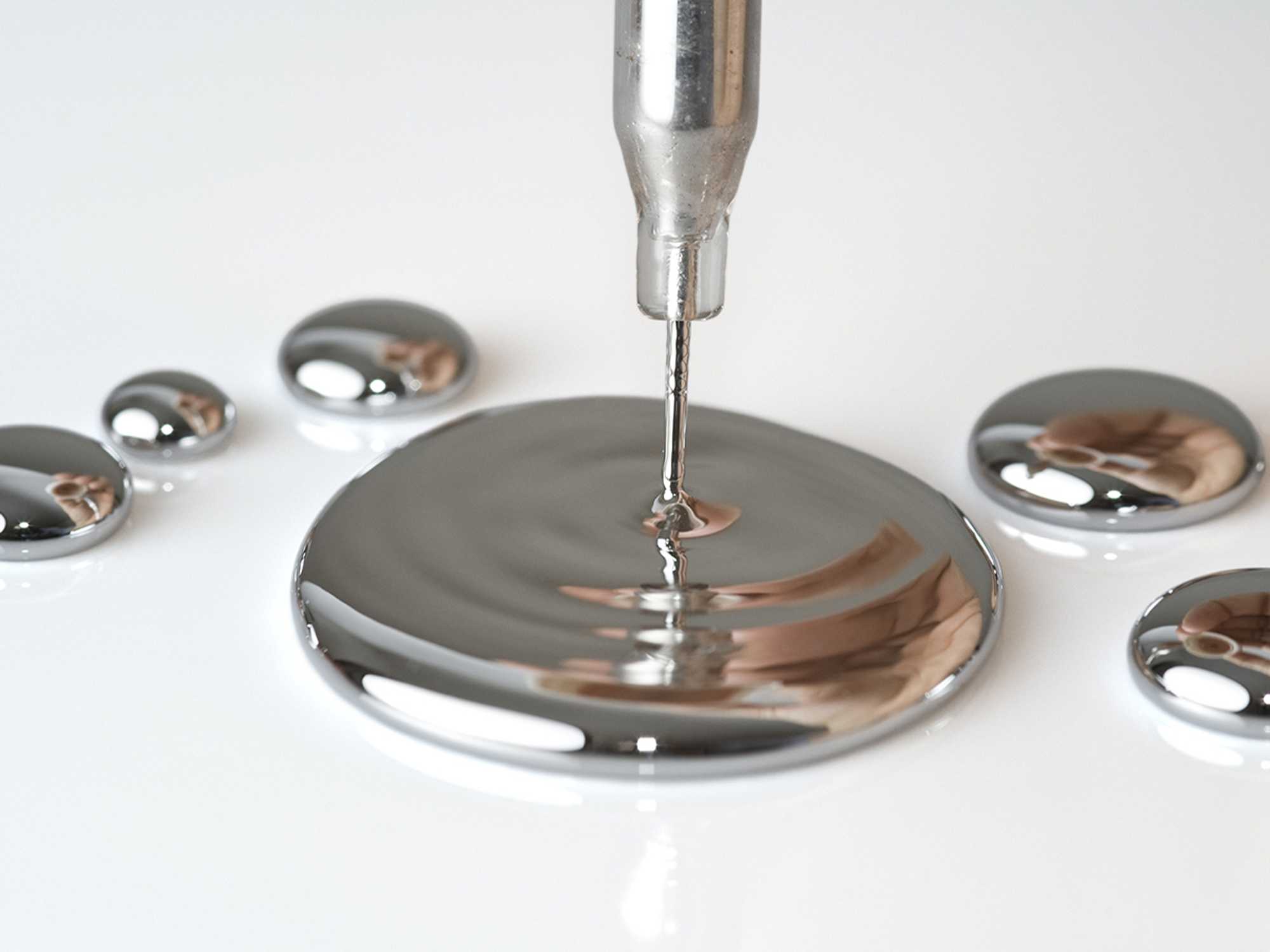
Mercury is a naturally occurring chemical element found in rock in the earth’s crust, including in deposits of coal. Elemental or metallic mercury is a shiny, silver-white metal, historically referred to as quicksilver, and is liquid at room temperature. It is used in older thermometers, fluorescent light bulbs, and some electrical switches.
In its inorganic form, mercury occurs abundantly in the environment, primarily as the minerals cinnabar and metacinnabar, and as impurities in other minerals. Mercury can readily combine with chlorine, sulfur, and other elements, and subsequently weather to form inorganic salts. Mercuric chloride is used in photography and as a topical antiseptic and disinfectant, wood preservative, and fungicide. Human exposure to inorganic mercury salts can occur both in occupational and environmental settings.
Mercury exposure at high levels can harm the brain, heart, kidneys, lungs, and immune system of people of all ages. High levels of methylmercury in the bloodstream of babies developing in the womb and young children may harm their developing nervous systems, affecting their ability to think and learn.
TSCA actions related to mercury
Actions to protect the public from exposure to mercury under the Toxic Substances Control Act (TSCA) include the following:
- October 2008 Mercury Export Ban Act (MEBA; Public Law 110-414) reduces the availability of mercury in domestic and international markets. Mercury and mercury compounds may be used to manufacture chemicals and electrical equipment; although, their use has declined due in part to concerns about human health and environmental effects from exposure. Specifically, MEBA:
- Added section 12(c) to TSCA, which prohibits the export of elemental mercury unless the Environmental Protection Agency (EPA) issues an exemption for a specified use as an “essential use” through a petition and rulemaking process, or unless the export involves coal. Essential use exemptions may not exceed three years in duration or 10 metric tons of elemental mercury and are subject to other terms and conditions specified by EPA.
- Added section 6(f) to TSCA to make it unlawful for a federal agency to convey, sell, and distribute elemental mercury under its jurisdiction unless the transfer of elemental mercury facilitates its storage or involves coal. Prior to MEBA’s enactment, the policy of the U.S. Department of Energy (DOE) and Department of Defense (DOD) was to store, not sell, mercury stocks. MEBA codified this existing policy in TSCA and also directed DOE to establish a program for long-term management and storage of elemental mercury generated within the U.S.
- June 2016 Frank R. Lautenberg Chemical Safety for the 21st Century Act (LCSA) amended TSCA section 12(c) to make it unlawful to export specific mercury compounds after January 1, 2020, and to require EPA to report to Congress on the status of mercury compound exports and disposal. The LCSA amended MEBA with regard to the long-term storage of mercury. The LCSA also added section 8(b)(10) to TSCA to direct EPA to gather information regarding the supply, use, and trade of elemental mercury and mercury compounds in the U.S. and periodically publish such information in the Federal Register. In 2017, EPA published its initial report on the inventory of mercury supply, use, and trade in the U.S.
- August 2016 Prohibited Mercury Compounds List identifies five mercury compounds that EPA prohibits from export effective January 1, 2020.
- June 2018 Mercury Inventory Reporting Rule requires reporting from persons who manufacture (including import) mercury or mercury-added products, or otherwise intentionally use mercury in a manufacturing process. Reporting is done by the first of July every three years (2022, 2025, 2028, etc.) using the Mercury Electronic Reporting application. The information collected through the new reporting requirements will be used to develop future inventories of mercury supply, use, and trade in the U.S. Based on the inventory of information collected, EPA will identify any manufacturing processes or products that intentionally add mercury and recommend actions to achieve further reductions in mercury use.
- November 2021 Response to Vacatur of Certain Provisions of the Mercury Inventory Reporting Rule amended the regulations at 40 CFR 713 to expand who must report data to the mercury inventory established under TSCA. The list of exemptions at 713.7(b) was shortened, and now persons who import pre-assembled products that contain a mercury-added component (e.g., a watch that contains a mercury-added battery) are subject to mercury inventory reporting requirements.
:
toxic-substances-control-act-epa
FOUNDATIONAL LEARNING
Mercury
InstituteToxic Substances Control Act - EPAToxic Subtances Control Act - EPATSCA ComplianceToxic Substances - EPAEnvironmentalUSAEnglishAnalysisFocus AreaIn Depth (Level 3)
['Toxic Substances Control Act - EPA']
- MEBA reduces the availability of mercury in domestic and international markets.
- TSCA amendments made it unlawful to export specific mercury compounds after January 1, 2020.
- Persons who manufacture (including import) mercury or mercury-added products, or otherwise intentionally use mercury in a manufacturing process, must report to EPA every three years under the Mercury Inventory Reporting Rule.
Mercury is a naturally occurring chemical element found in rock in the earth’s crust, including in deposits of coal. Elemental or metallic mercury is a shiny, silver-white metal, historically referred to as quicksilver, and is liquid at room temperature. It is used in older thermometers, fluorescent light bulbs, and some electrical switches.
In its inorganic form, mercury occurs abundantly in the environment, primarily as the minerals cinnabar and metacinnabar, and as impurities in other minerals. Mercury can readily combine with chlorine, sulfur, and other elements, and subsequently weather to form inorganic salts. Mercuric chloride is used in photography and as a topical antiseptic and disinfectant, wood preservative, and fungicide. Human exposure to inorganic mercury salts can occur both in occupational and environmental settings.
Mercury exposure at high levels can harm the brain, heart, kidneys, lungs, and immune system of people of all ages. High levels of methylmercury in the bloodstream of babies developing in the womb and young children may harm their developing nervous systems, affecting their ability to think and learn.
TSCA actions related to mercury
Actions to protect the public from exposure to mercury under the Toxic Substances Control Act (TSCA) include the following:
- October 2008 Mercury Export Ban Act (MEBA; Public Law 110-414) reduces the availability of mercury in domestic and international markets. Mercury and mercury compounds may be used to manufacture chemicals and electrical equipment; although, their use has declined due in part to concerns about human health and environmental effects from exposure. Specifically, MEBA:
- Added section 12(c) to TSCA, which prohibits the export of elemental mercury unless the Environmental Protection Agency (EPA) issues an exemption for a specified use as an “essential use” through a petition and rulemaking process, or unless the export involves coal. Essential use exemptions may not exceed three years in duration or 10 metric tons of elemental mercury and are subject to other terms and conditions specified by EPA.
- Added section 6(f) to TSCA to make it unlawful for a federal agency to convey, sell, and distribute elemental mercury under its jurisdiction unless the transfer of elemental mercury facilitates its storage or involves coal. Prior to MEBA’s enactment, the policy of the U.S. Department of Energy (DOE) and Department of Defense (DOD) was to store, not sell, mercury stocks. MEBA codified this existing policy in TSCA and also directed DOE to establish a program for long-term management and storage of elemental mercury generated within the U.S.
- June 2016 Frank R. Lautenberg Chemical Safety for the 21st Century Act (LCSA) amended TSCA section 12(c) to make it unlawful to export specific mercury compounds after January 1, 2020, and to require EPA to report to Congress on the status of mercury compound exports and disposal. The LCSA amended MEBA with regard to the long-term storage of mercury. The LCSA also added section 8(b)(10) to TSCA to direct EPA to gather information regarding the supply, use, and trade of elemental mercury and mercury compounds in the U.S. and periodically publish such information in the Federal Register. In 2017, EPA published its initial report on the inventory of mercury supply, use, and trade in the U.S.
- August 2016 Prohibited Mercury Compounds List identifies five mercury compounds that EPA prohibits from export effective January 1, 2020.
- June 2018 Mercury Inventory Reporting Rule requires reporting from persons who manufacture (including import) mercury or mercury-added products, or otherwise intentionally use mercury in a manufacturing process. Reporting is done by the first of July every three years (2022, 2025, 2028, etc.) using the Mercury Electronic Reporting application. The information collected through the new reporting requirements will be used to develop future inventories of mercury supply, use, and trade in the U.S. Based on the inventory of information collected, EPA will identify any manufacturing processes or products that intentionally add mercury and recommend actions to achieve further reductions in mercury use.
- November 2021 Response to Vacatur of Certain Provisions of the Mercury Inventory Reporting Rule amended the regulations at 40 CFR 713 to expand who must report data to the mercury inventory established under TSCA. The list of exemptions at 713.7(b) was shortened, and now persons who import pre-assembled products that contain a mercury-added component (e.g., a watch that contains a mercury-added battery) are subject to mercury inventory reporting requirements.
2656868435
2656870903
UPGRADE TO CONTINUE READING
RELATED TOPICS
J. J. Keller is the trusted source for DOT / Transportation, OSHA / Workplace Safety, Human Resources, Construction Safety and Hazmat / Hazardous Materials regulation compliance products and services. J. J. Keller helps you increase safety awareness, reduce risk, follow best practices, improve safety training, and stay current with changing regulations.
Copyright 2026 J. J. Keller & Associate, Inc. For re-use options please contact copyright@jjkeller.com or call 800-558-5011.