
Lead RRP and contractors
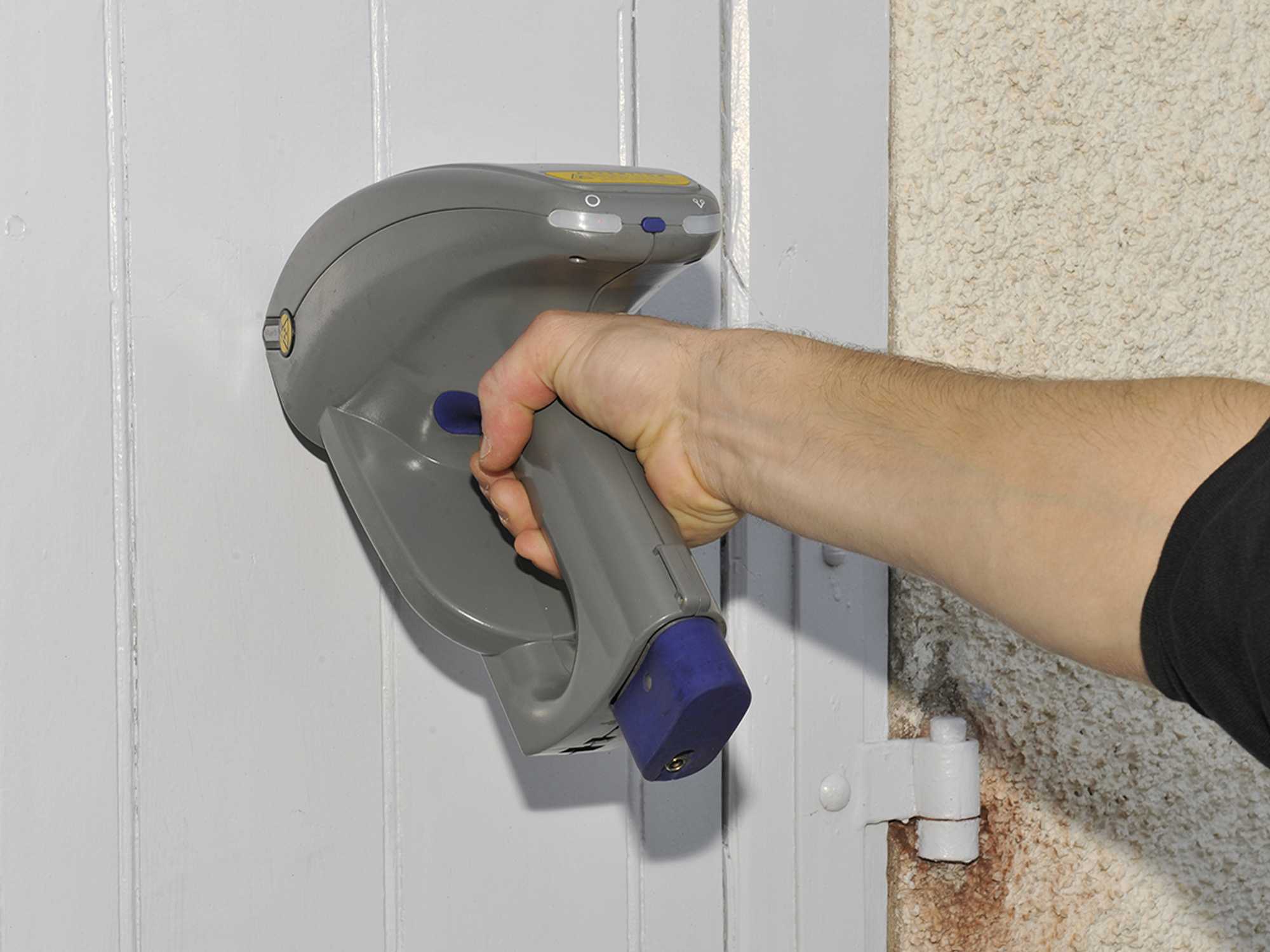
- The Lead RRP Rule establishes requirements for firms and individuals performing renovations, and affects contractors, property managers and others who disturb painted surfaces.
- Firms cannot advertise or perform renovation activities covered by the RRP Rule in homes or child-occupied facilities built before 1978 without firm certification.
The Lead Renovation, Repair, and Painting (RRP) Rule at 40 CFR 745 Subpart E establishes requirements for firms and individuals performing renovations and affects contractors, property managers, and others who disturb painted surfaces. It applies to work in houses, apartments, and child-occupied facilities (such as schools and childcare centers) built before 1978. It includes pre-renovation education requirements as well as training, firm certification, and work practice requirements.
Firms that require certification
In general, anyone who is paid to perform work that disturbs paint in housing and child-occupied facilities built before 1978 must be certified. This includes all firms, even sole proprietorships. Examples of the types of firms covered include:
- Residential rental property owners/managers;
- General contractors; and
- Special trade contractors, including painters, plumbers, carpenters, and electricians.
Firms cannot advertise or perform renovation activities covered by the RRP Rule in homes or child-occupied facilities built before 1978 without firm certification.
Covered activities
In general, any activity that disturbs paint in pre-1978 housing and child-occupied facilities is covered, including:
- Remodeling and repair/maintenance;
- Electrical work;
- Plumbing;
- Painting preparation;
- Carpentry; and
- Window replacement.
However, the following housing or activities are not covered by the rule:
- Housing built in 1978 or later;
- Housing specifically for elderly or disabled persons, unless children under six reside or are expected to reside there;
- “Zero-bedroom” dwellings (studio apartments, dormitories, etc.);
- Housing or components declared lead-free by a certified inspector or risk assessor. Also, a certified renovator may declare specific components lead-free by using a test kit recognized by the Environmental Protection Agency (EPA) or by collecting paint chip samples for analysis by an EPA-recognized laboratory; and
- Minor repair and maintenance activities that disturb six square feet or less of paint per room inside, or 20 square feet or less on the exterior of a home or building. (Note: Window replacement, and partial and full demolition activities, are always covered regardless of square footage. Activities designated as “prohibited” are prohibited regardless of square footage.)
Paint testing
Paint testing is not required by the RRP Rule, but unless a person has documentation that the paint is not lead-based, then the requirements of the RRP Rule apply. If a person chooses to have the paint tested prior to renovation, testing must be done by the appropriate qualified professional on all surfaces to be affected by the work.
| Type of paint testing for renovations | Who can do the testing? |
|---|---|
| EPA-recognized test kits | Certified renovators |
| X-ray fluorescence instruments | Certified lead-based paint inspectors or risk assessor |
| Paint chip sampling | Certified renovator, inspector, or risk assessor |