
InstitutePesticidesPesticidesEnvironmentalFocus AreaEnglishAnalysisIn Depth Sub Topics (Level 4)PesticidesUSA
Incidents involving fish, wildlife, the environment, and pollinators
['Pesticides']
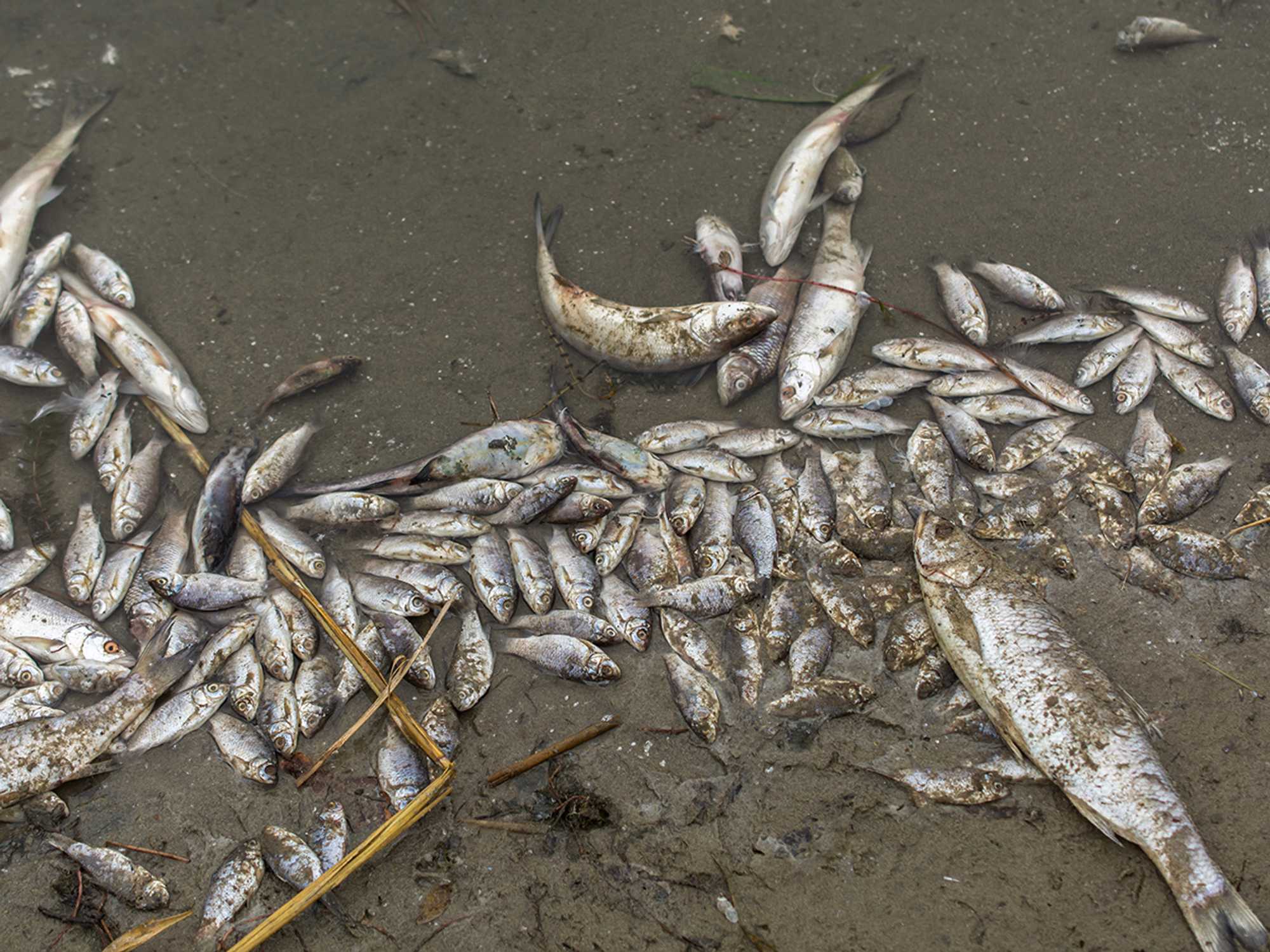
- Wildlife and environmental incidents can be reported for all wildlife and for soil and water suspected or known to be affected by pesticide exposures.
- EPA considers bee kill incident report data to help inform its pesticide regulatory decisions.
Pesticide incidents can be reported for all wildlife, including mammals, birds, fish, shellfish, reptiles, amphibians, insects (including bees and other pollinators), plants, soil, and water.
Reporting best practices from the Environmental Protection Agency (EPA) include:
- Do not touch or disturb dead animals. Poisoned animals that are still alive may be taken to a veterinarian or wildlife rehabilitation center for treatment, and it is best to call the local animal control office or animal shelter for assistance. Rescue of ill animals should be attempted only by trained personnel who are properly protected from pesticide contamination and are knowledgeable about state and federal regulations related to the collection of wildlife.
- Use the National Pesticide Information Center (NPIC)’s Ecological Incident Reporting Portal, which collects information from government organizations, the public, academia, wildlife rehabilitation centers, conservation societies, and beekeepers. NPIC provides reports to EPA on incidents but does not collect information for enforcement.
- Contact the state pesticide regulatory agency, especially if there is concern about possible illegal use of a pesticide. States generally have primary enforcement responsibility for pesticide misuse violations and for investigating possible instances of pesticide misuse.
- Contact the state’s department responsible for protecting fish, game, and natural resources, for incidents involving fish or wildlife.
- Submit a report to EPA, if an individual suspects that federal pesticide regulations have been violated.
- Tell the product’s manufacturer, which is in turn required by law to submit reports of adverse effects to EPA. The manufacturer contact information is on the product label.
- Send EPA an email at Report.Pesticide.Incident@epa.gov, for any non-registrant wanting to report incidents that may not involve violations of pesticide laws and regulations:
- For wildlife exposures, useful information for the report includes:
- The type and number of animals exposed;
- The condition of the animals;
- The pesticide involved (EPA registration number if available); and
- Any other pertinent information.
- For environmental exposures affecting soils, plants, streams, rivers, and other bodies of water, useful information for the report includes:
- Information on the pesticide involved (EPA registration number if available);
- Number of plants, fish, or other aquatic organisms exposed;
- The condition of the plants, fish, and other aquatic organisms; and
- Any other pertinent information.
- For wildlife exposures, useful information for the report includes:
EPA considers bee kill incident report data to help inform its pesticide regulatory decisions, and information from these reports helps identify patterns of bee kills associated with the use of specific pesticides or active ingredients. Reports of bee kill incidents can be provided:
- Through the NPIC’s Ecological Pesticide Incident Reporting portal, or
- To EPA via email at beekill@epa.gov.