
Imminently hazardous chemicals
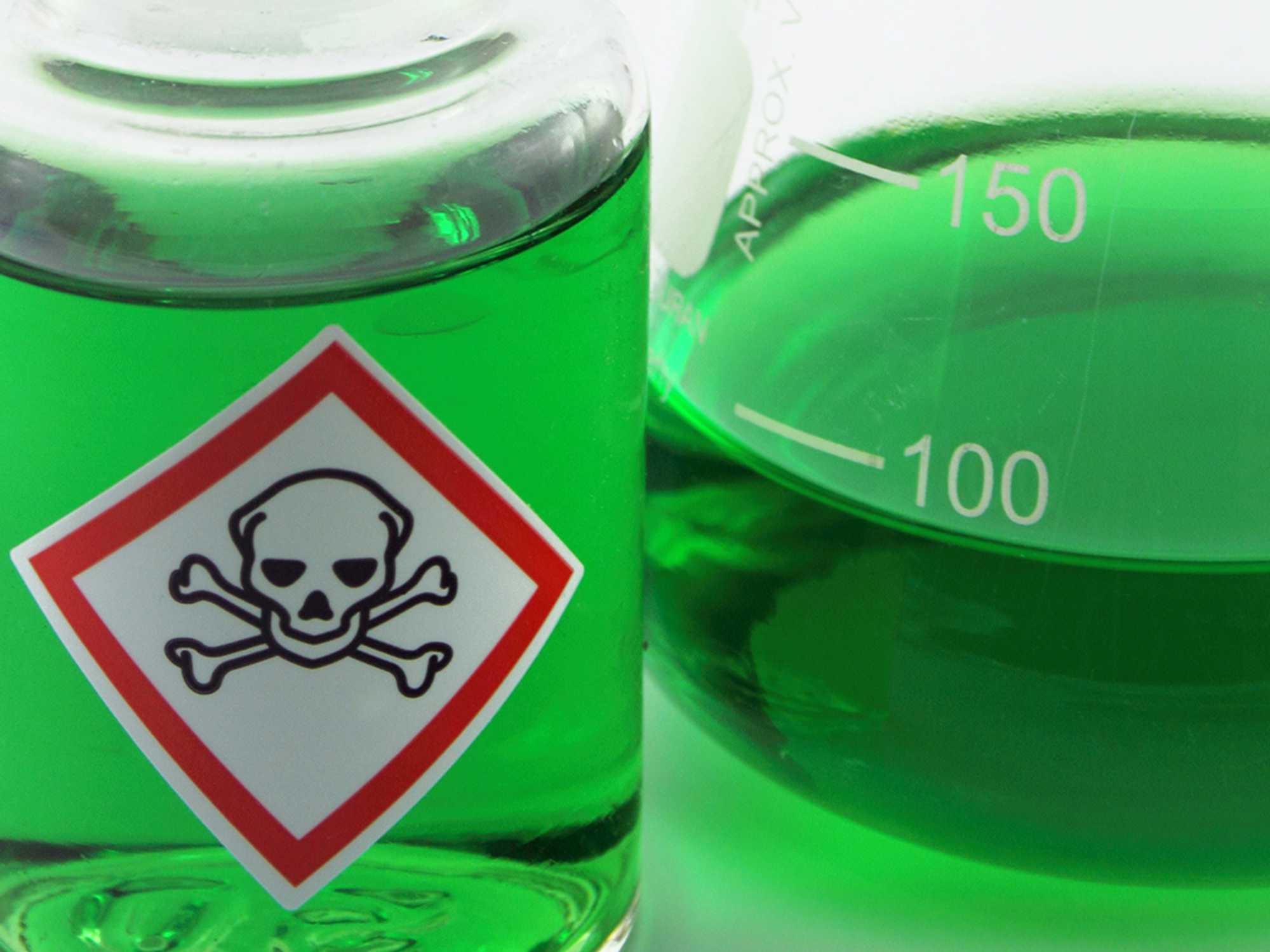
- The EPA may commence a civil action in U.S. district court to protect against an imminently hazardous chemical through seizure or other relief before promulgating a rule to regulate the chemical.
The Toxic Substances Control Act (TSCA) establishes procedures for addressing imminently hazardous chemicals and chemicals that present significant risk of serious or widespread harm. Section 7(f) defines an “imminently hazardous chemical substance or mixture” as a chemical that “presents an imminent and unreasonable risk of serious or widespread injury to health or the environment.”
Under section 7, the Environmental Protection Agency (EPA) may commence a civil action in U.S. district court to protect against an imminently hazardous chemical through seizure or other relief before promulgating a rule to regulate the chemical. When appropriate, EPA must initiate promulgation of a rule for an imminently hazardous chemical at the same time as commencing the civil action or as soon as practicable thereafter.
Additionally, if EPA receives information indicating a chemical may present significant risk of serious or widespread harm to humans, section 4(f) requires the agency to either initiate an action to prevent or reduce to a sufficient extent such risk or publish a finding that the risk is not unreasonable in the Federal Register within 180 days of receiving the information. EPA may extend the 180-day deadline by an additional 90 days for good cause.