Compliance Just Got Easier: Stay ahead of regulatory changes with instant notifications on updates that matter.
['Electrical Safety']
['Electrical Safety']
05/06/2025

Copyright 2026 J. J. Keller & Associate, Inc. For re-use options please contact copyright@jjkeller.com or call 800-558-5011.
:
|
InstituteSafety & HealthElectrical SafetyGeneral Industry SafetyElectrical SafetyIn Depth (Level 3)EnglishAnalysisFocus AreaUSA
How can employees be protected from electric shock and arc flash and blast?
['Electrical Safety']
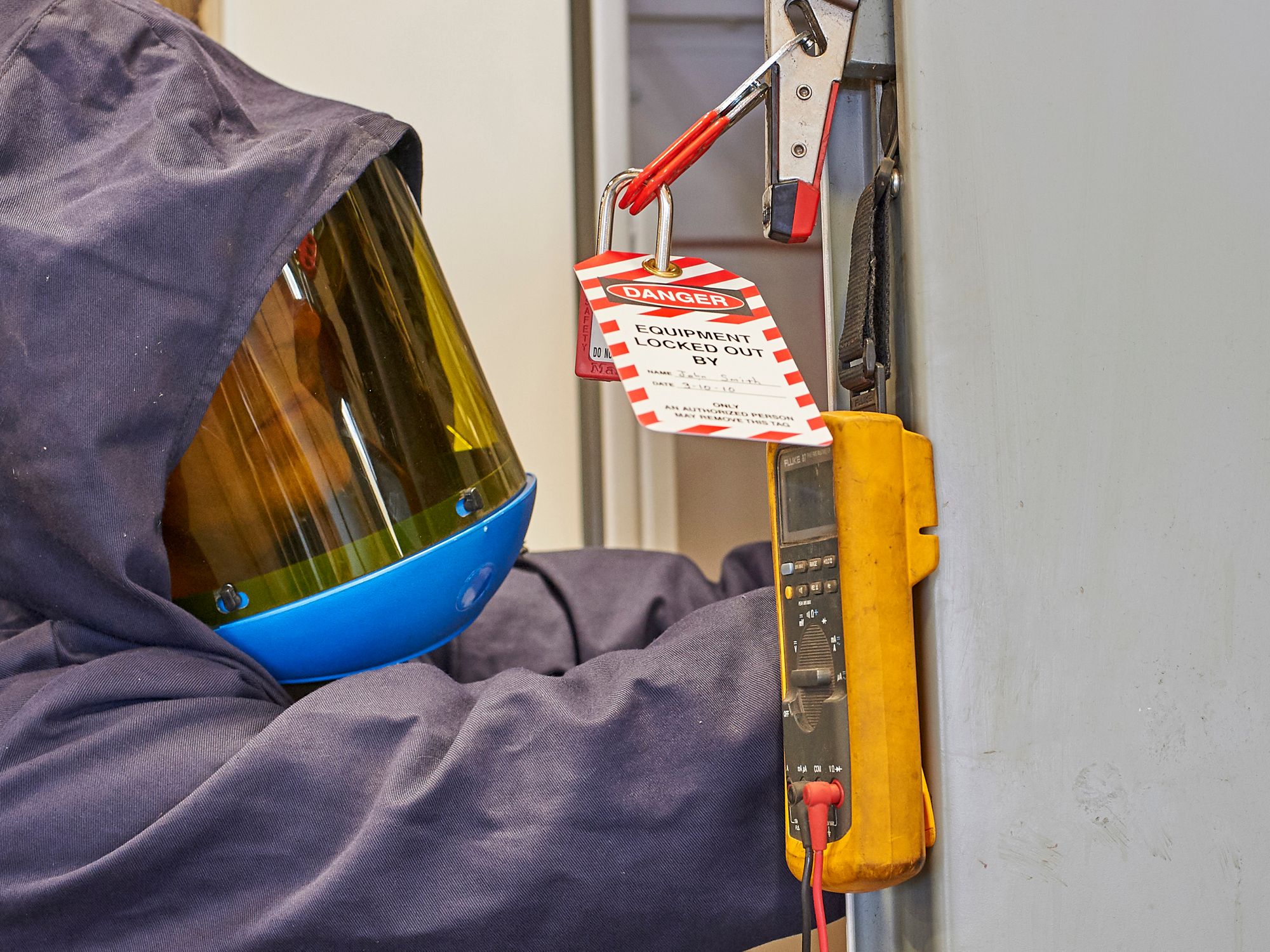
- Protective equipment such as shields, barrier and insulating materials may be used to protect workers from electric shock and arc flash and blast.
The Occupational Safety and Health Administration (OSHA) requires employees to:
- Wear protective equipment for the eyes or face wherever there is danger of injury to the eyes or face from electric arcs or flashes or from flying objects resulting from electrical explosion.
- Use protective shields, protective barriers, or insulating materials to protect themselves from shock, burns, or other electrically related injuries while that employee is working near exposed energized parts which might be accidentally contacted or where dangerous electric heating or arcing might occur. When normally enclosed live parts are exposed for maintenance or repair, they must be guarded to protect unqualified persons from contact with the live parts.
:
electrical-safety
electrical-safety
FOUNDATIONAL LEARNING
How can employees be protected from electric shock and arc flash and blast?
InstituteSafety & HealthElectrical SafetyGeneral Industry SafetyElectrical SafetyIn Depth (Level 3)EnglishAnalysisFocus AreaUSA
['Electrical Safety']
- Protective equipment such as shields, barrier and insulating materials may be used to protect workers from electric shock and arc flash and blast.
The Occupational Safety and Health Administration (OSHA) requires employees to:
- Wear protective equipment for the eyes or face wherever there is danger of injury to the eyes or face from electric arcs or flashes or from flying objects resulting from electrical explosion.
- Use protective shields, protective barriers, or insulating materials to protect themselves from shock, burns, or other electrically related injuries while that employee is working near exposed energized parts which might be accidentally contacted or where dangerous electric heating or arcing might occur. When normally enclosed live parts are exposed for maintenance or repair, they must be guarded to protect unqualified persons from contact with the live parts.
2656869230
2656871468
UPGRADE TO CONTINUE READING
RELATED TOPICS
J. J. Keller is the trusted source for DOT / Transportation, OSHA / Workplace Safety, Human Resources, Construction Safety and Hazmat / Hazardous Materials regulation compliance products and services. J. J. Keller helps you increase safety awareness, reduce risk, follow best practices, improve safety training, and stay current with changing regulations.
Copyright 2026 J. J. Keller & Associate, Inc. For re-use options please contact copyright@jjkeller.com or call 800-558-5011.