Compliance Just Got Easier: Stay ahead of regulatory changes with instant notifications on updates that matter.
['Emergency Planning - OSHA']
['Emergency Alarms', 'Emergency Planning (OSHA)', 'Emergency Preparedness']
10/19/2026

Copyright 2026 J. J. Keller & Associate, Inc. For re-use options please contact copyright@jjkeller.com or call 800-558-5011.
:
|
InstituteEmergency Planning - OSHASafety & HealthEmergency PreparednessEmergency Planning (OSHA)General Industry SafetyFocus AreaUSAEnglishAnalysisEmergency AlarmsIn Depth (Level 3)
Employee alarm systems
['Emergency Planning - OSHA']
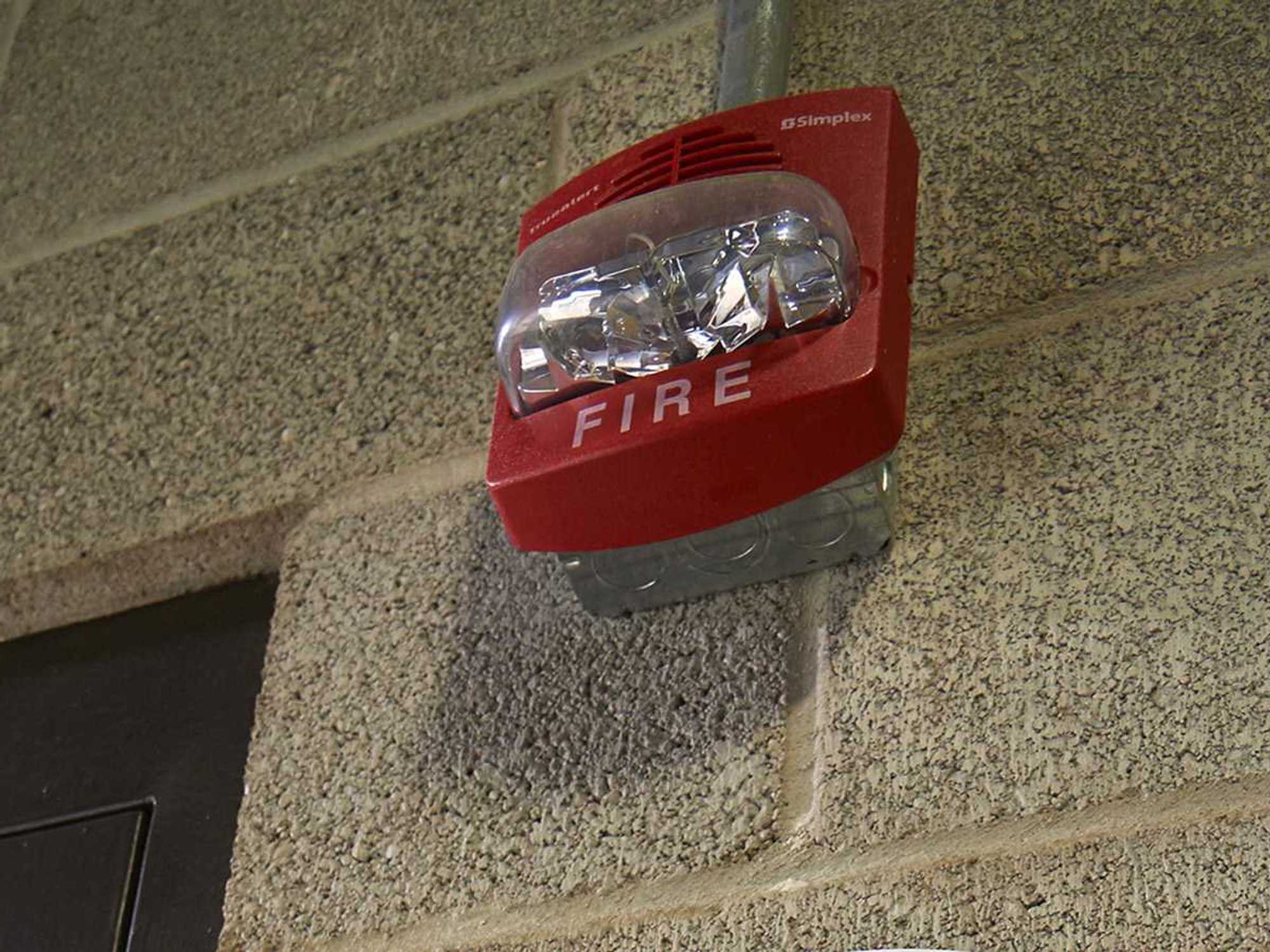
- Employers must install and maintain alarm systems to warn employees of fire and other dangers.
- Alarm systems should be inclusive of persons with disabilities (for example, a flashing light to warn hearing impaired employees and visitors).
With some exceptions, OSHA's employee alarm systems standard at 1910.165 applies to all emergency employee alarms installed to meet a particular OSHA standard. Standards that require or reference alarm systems include 1910.37, .38, .66, .106, .120, .157, .160, .161, .162, and .164. Under 1910.165, the alarm system must:
- Provide warning for emergency action as called for in the emergency action plan (EAP) or enough reaction time for employees to safely escape,
- Be capable of being perceived above ambient noise or light levels by all employees in affected work areas,
- Be distinctive and recognizable as a signal to evacuate or take actions under the EAP,
- Be maintained in operating condition, and
- Be tested and maintained as specified by the standard.
Other requirements relate to employee training, emergency phone numbers, alarm sounding procedures, approved devices/components, alarm restoration after each test/alarm, power supplies and backup means of alarm, qualified persons, and manually operated actuation devices.
:
emergency-planning-osha
FOUNDATIONAL LEARNING
Employee alarm systems
InstituteEmergency Planning - OSHASafety & HealthEmergency PreparednessEmergency Planning (OSHA)General Industry SafetyFocus AreaUSAEnglishAnalysisEmergency AlarmsIn Depth (Level 3)
['Emergency Planning - OSHA']
- Employers must install and maintain alarm systems to warn employees of fire and other dangers.
- Alarm systems should be inclusive of persons with disabilities (for example, a flashing light to warn hearing impaired employees and visitors).
With some exceptions, OSHA's employee alarm systems standard at 1910.165 applies to all emergency employee alarms installed to meet a particular OSHA standard. Standards that require or reference alarm systems include 1910.37, .38, .66, .106, .120, .157, .160, .161, .162, and .164. Under 1910.165, the alarm system must:
- Provide warning for emergency action as called for in the emergency action plan (EAP) or enough reaction time for employees to safely escape,
- Be capable of being perceived above ambient noise or light levels by all employees in affected work areas,
- Be distinctive and recognizable as a signal to evacuate or take actions under the EAP,
- Be maintained in operating condition, and
- Be tested and maintained as specified by the standard.
Other requirements relate to employee training, emergency phone numbers, alarm sounding procedures, approved devices/components, alarm restoration after each test/alarm, power supplies and backup means of alarm, qualified persons, and manually operated actuation devices.
2656872784
2656867101
UPGRADE TO CONTINUE READING
RELATED TOPICS
J. J. Keller is the trusted source for DOT / Transportation, OSHA / Workplace Safety, Human Resources, Construction Safety and Hazmat / Hazardous Materials regulation compliance products and services. J. J. Keller helps you increase safety awareness, reduce risk, follow best practices, improve safety training, and stay current with changing regulations.
Copyright 2026 J. J. Keller & Associate, Inc. For re-use options please contact copyright@jjkeller.com or call 800-558-5011.