
Dockboards
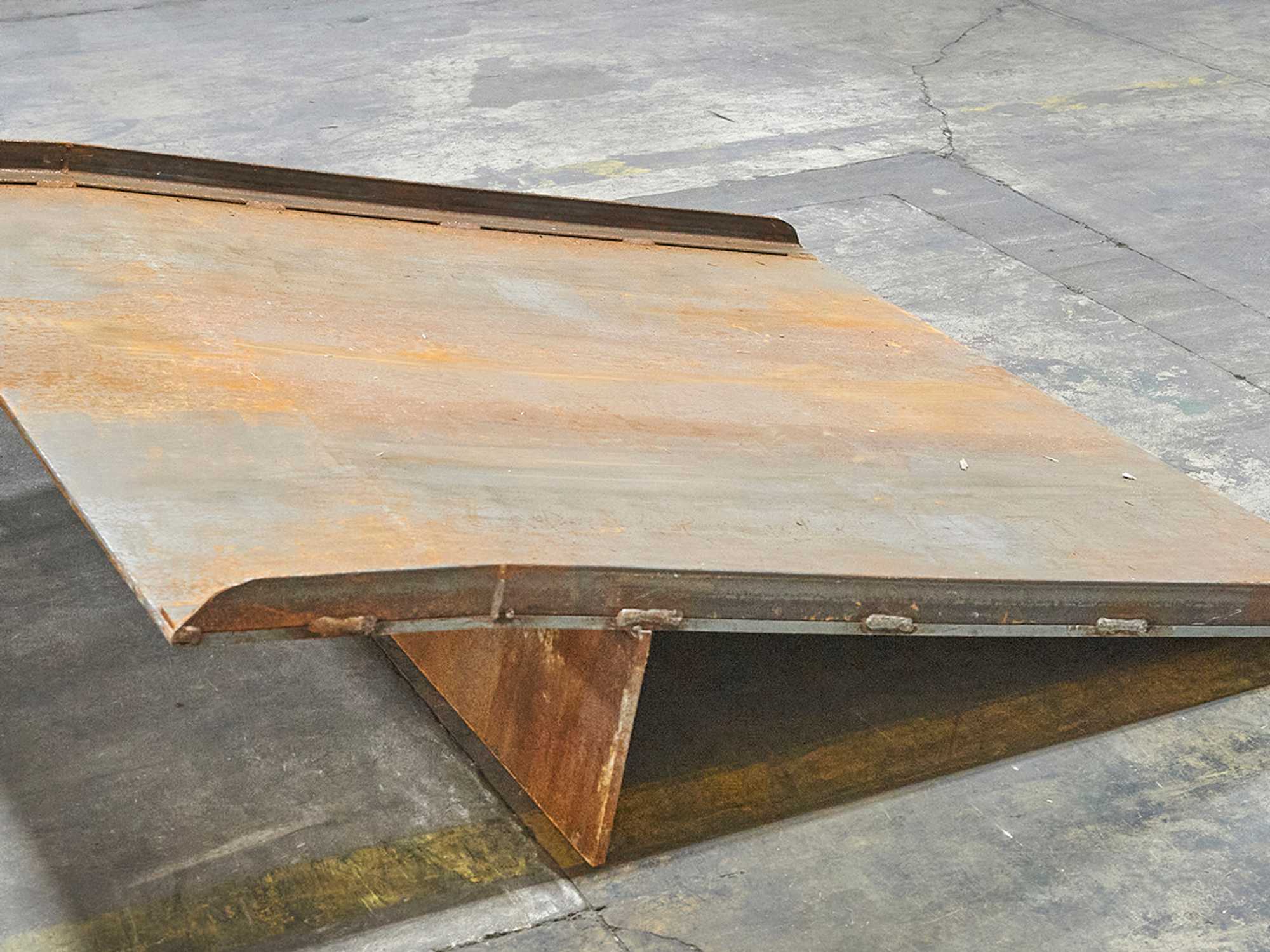
A dockboard is a portable or fixed device that spans a gap or compensates for a difference in elevation between a loading platform and a transport vehicle. Dockboards include, but are not limited to, bridge plates, dock plates, and dock levelers.
Action steps
- Ensure that dockboards can support the maximum intended load.
- Ensure that transfer vehicles cannot run-off the edge of the dockboard, unless they can prove there is no run-off hazard.
- Secure portable dockboards from moving while being used by employees.
- Ensure that portable dockboards have handholds or another means for safe transport.
- Prevent the accidental movement of transport vehicles while it is being used by employees.
Training action plans
Training must consist of a combination of formal instruction (e.g., lecture, discussion, interactive computer learning, DVD, written material), practical training (demonstrations performed by the trainer and practical exercises performed by the trainee), and evaluation of the operator’s performance in the workplace.
Training should cover the following topics:
- When and what type of dockboard to use
- Placement (using handholds)
- Capacity
- Inspection
- Placement check
- Securing the dockboard
- Communication with transport vehicle driver
- Periodically checking the dockboard during loading/unloading
Tips
- Make certain portable dockboards have a means for safe handling. OSHA suggests handholds or other means of gripping the dockboard. When portable dockboards will be moved mechanically, OSHA suggests the use of forklift loops, lugs, or other effective means.
- Use wheel chocks to prevent the transport vehicle from moving during loading.
- Train employees on recognizing the type of dockboard to use.
Checklist
Use these checklists to ensure dockboards are being used correctly.
Design and construction
- Are all dockboards used capable of supporting the maximum intended load?
- Do dockboards that are put into initial service on or after January 17, 2017, have means (such as run-off guards or curbs) to prevent vehicles from running off the edge (unless it can be demonstrated there is no run-off hazard)?
- Are portable dockboards equipped with handholds or other means to permit safe handling?
Use
- Are portable dockboards secured by anchoring in place or using equipment or devices that prevent the dockboard from moving out of a safe position?
- When securing the dockboard is not feasible, is there sufficient contact between the dockboard and the surface to prevent the dockboard from moving out of a safe position?
- Are measures, such as wheel chocks or sand shoes, used to prevent transport vehicles (e.g., a truck, semitrailer, trailer, or rail car) from moving while employees are on the dockboard?
Fall protection
- Is each employee on a dockboard protected from falling 4 feet or more to a lower level by a guardrail system or handrails? Note: This does not apply when dockboards are being used solely for materials-handling with motorized equipment, the fall hazard is 10 feet or less, and the employees have been properly trained.
Inspection and maintenance
- Are dockboards inspected regularly, and as necessary, to ensure they are in safe condition?
- Are deficiencies corrected or repaired before an employee uses the dockboard again?
- If a dockboard correction or repair cannot be made immediately, are employees prevented from using the dockboard until repaired?
- If a dockboard repair involves structural integrity, does a qualified person perform or supervise the correction or repair?
Training
- Is each employee who uses a dockboard trained to properly place and secure the equipment?
- Is each employee who uses a dockboard trained to recognize the fall hazards in the work area?
- Is training conducted by a qualified person?
Note: Qualified describes a person who, by possession of a recognized degree, certificate, or professional standing, or who by extensive knowledge, training, and experience has successfully demonstrated the ability to solve or resolve problems relating to the subject matter, the work, or the project. - Is information and training provided in a manner that each employee understands?
- Is retraining provided when deficiencies in performance or knowledge are noted, or there are changes in the workplace or equipment?