Compliance Just Got Easier: Stay ahead of regulatory changes with instant notifications on updates that matter.
['Hazardous Materials Safety - OSHA']
['Dipping and Coating']
12/01/2023

Copyright 2026 J. J. Keller & Associate, Inc. For re-use options please contact copyright@jjkeller.com or call 800-558-5011.
:
|
InstituteDipping and CoatingSafety & HealthConstruction SafetyGeneral Industry SafetyHazardous Materials Safety - OSHAEnglishAnalysisFocus AreaCompliance and Exceptions (Level 2)USA
Dipping and coating
['Hazardous Materials Safety - OSHA']
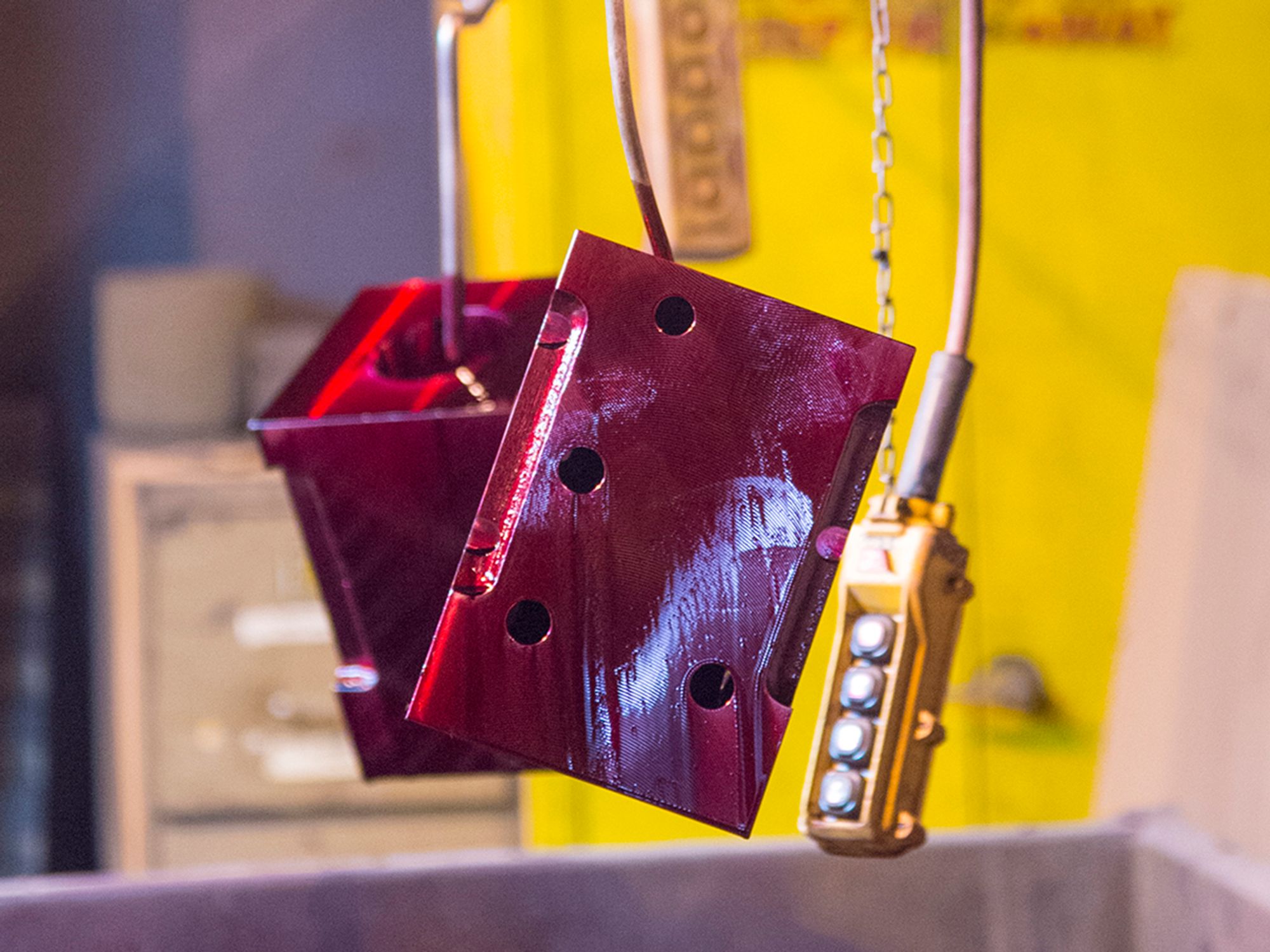
- The chemicals used in dipping and coating operations may pose hazards to workers that range from fire risks to health risks.
- OSHA’s requirements apply when using a dip tank that contains any liquid other than water, but employers who use only molten materials are not covered.
- Employers are required to provide adequate ventilation, provide medical accommodations, and more to comply with regulations.
Dipping and coating operations are very common in many industries, particularly in terms of cleaning and coating. The process can pose hazards to workers, largely because of the chemicals used in the process. Potential risks from dripping and coating operations range from health hazards to flammability. The Occupational Safety and Health Administration’s (OSHA’s) dipping and coatings requirements apply when using a dip tank containing a liquid other than water. It applies when workers use the liquid in the tank or its vapor to:
- Clean an object,
- Coat an object,
- Alter the surface of an object, or
- Change the character of an object.
This rule also applies to the draining or drying of an object that has been dipped or coated.
OSHA’s regulatory information for dripping and coating can be found under:
- 29 CFR 1910.123 — Dipping and coating operations: Coverage and definitions
- 29 CFR 1910.124 — General requirements for dipping and coating operations
- 29 CFR 1910.125 — Additional requirements for dipping and coating operations that use flammable liquids or liquids with flashpoints greater than 199.4 °F (93 °C)
- 29 CFR 1910.126 — Additional requirements for special dipping and coating operations
Which operations are covered?
Examples of covered operations are paint dipping, electroplating, pickling, quenching, tanning, degreasing, stripping, cleaning, roll coating, flow coating, and curtain coating.
Employers are not covered by these requirements if their dip-tank operation only uses a molten material (a molten metal, alloy, or salt, for example).
What is required in the workplace?
Employers must:
- Assess their workplace for any dipping and coating operations;
- Provide adequate ventilation through various options, depending on the operation and chemical;
- Follow permit-required confined space requirements when employees enter a dip tank;
- Provide medical and first-aid solutions;
- Provide an eyewash/shower;
- Provide hygiene facilities, such as change rooms;
- Inspect exhaust ventilation at least quarterly and inspect dip tanks periodically;
- Follow the additional requirements in 1910.125 for dipping and coating operations that use flammable liquids or liquids with flashpoints greater than 199.4 °F (93 °C); and
- Follow the additional requirements in 1910.126 for special dipping and coating operations, such as hardening and tempering, flow coating, bonding and grounding, vapor degreasing, cyanide tanks, and spray cleaning and degreasing tanks.
:
hazardous-materials-safety-osha
FOUNDATIONAL LEARNING
Dipping and coating
InstituteDipping and CoatingSafety & HealthConstruction SafetyGeneral Industry SafetyHazardous Materials Safety - OSHAEnglishAnalysisFocus AreaCompliance and Exceptions (Level 2)USA
['Hazardous Materials Safety - OSHA']
- The chemicals used in dipping and coating operations may pose hazards to workers that range from fire risks to health risks.
- OSHA’s requirements apply when using a dip tank that contains any liquid other than water, but employers who use only molten materials are not covered.
- Employers are required to provide adequate ventilation, provide medical accommodations, and more to comply with regulations.
Dipping and coating operations are very common in many industries, particularly in terms of cleaning and coating. The process can pose hazards to workers, largely because of the chemicals used in the process. Potential risks from dripping and coating operations range from health hazards to flammability. The Occupational Safety and Health Administration’s (OSHA’s) dipping and coatings requirements apply when using a dip tank containing a liquid other than water. It applies when workers use the liquid in the tank or its vapor to:
- Clean an object,
- Coat an object,
- Alter the surface of an object, or
- Change the character of an object.
This rule also applies to the draining or drying of an object that has been dipped or coated.
OSHA’s regulatory information for dripping and coating can be found under:
- 29 CFR 1910.123 — Dipping and coating operations: Coverage and definitions
- 29 CFR 1910.124 — General requirements for dipping and coating operations
- 29 CFR 1910.125 — Additional requirements for dipping and coating operations that use flammable liquids or liquids with flashpoints greater than 199.4 °F (93 °C)
- 29 CFR 1910.126 — Additional requirements for special dipping and coating operations
Which operations are covered?
Examples of covered operations are paint dipping, electroplating, pickling, quenching, tanning, degreasing, stripping, cleaning, roll coating, flow coating, and curtain coating.
Employers are not covered by these requirements if their dip-tank operation only uses a molten material (a molten metal, alloy, or salt, for example).
What is required in the workplace?
Employers must:
- Assess their workplace for any dipping and coating operations;
- Provide adequate ventilation through various options, depending on the operation and chemical;
- Follow permit-required confined space requirements when employees enter a dip tank;
- Provide medical and first-aid solutions;
- Provide an eyewash/shower;
- Provide hygiene facilities, such as change rooms;
- Inspect exhaust ventilation at least quarterly and inspect dip tanks periodically;
- Follow the additional requirements in 1910.125 for dipping and coating operations that use flammable liquids or liquids with flashpoints greater than 199.4 °F (93 °C); and
- Follow the additional requirements in 1910.126 for special dipping and coating operations, such as hardening and tempering, flow coating, bonding and grounding, vapor degreasing, cyanide tanks, and spray cleaning and degreasing tanks.
2656872315
2656869175
UPGRADE TO CONTINUE READING
RELATED TOPICS
J. J. Keller is the trusted source for DOT / Transportation, OSHA / Workplace Safety, Human Resources, Construction Safety and Hazmat / Hazardous Materials regulation compliance products and services. J. J. Keller helps you increase safety awareness, reduce risk, follow best practices, improve safety training, and stay current with changing regulations.
Copyright 2026 J. J. Keller & Associate, Inc. For re-use options please contact copyright@jjkeller.com or call 800-558-5011.