Compliance Just Got Easier: Stay ahead of regulatory changes with instant notifications on updates that matter.
['Sanitation']
['Handwashing', 'Sanitation', 'Restrooms']
04/22/2025

Copyright 2026 J. J. Keller & Associate, Inc. For re-use options please contact copyright@jjkeller.com or call 800-558-5011.
:
|
InstituteHandwashingSanitationRestroomsSanitationEnglishAnalysisFocus AreaCompliance and Exceptions (Level 2)USA
Definitions
['Sanitation']
Number of employees: The maximum number of employees present at any one time on a regular shift.
Personal service room: A room used for activities not directly connected with the production or service function performed by the establishment. Such activities include, but are not limited to, first-aid, medical services, dressing, showering, toilet use, washing, and eating.
Potable water: Water that either meets the standard for drinking purposes of the State or local authority having jurisdiction or meets the quality standards prescribed by the U.S. Environmental Protection Agency’s National Primary Drinking Water Regulations (40 CFR 141).
Toilet facility: A fixture in a toilet room used for defecation, urination, or both.
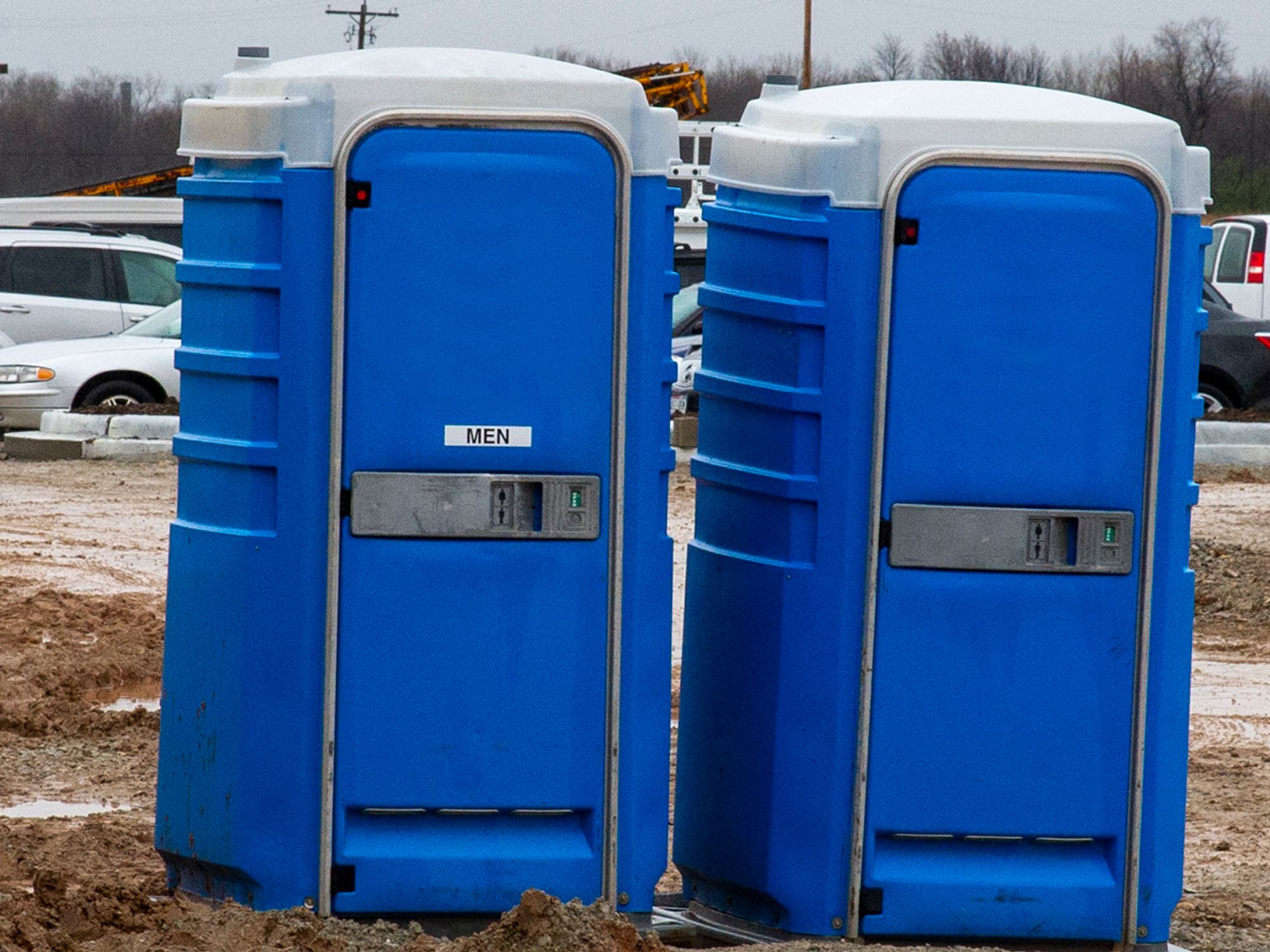
Toilet room: A room in or on the premises of a workplace that contains one or more toilet facilities for use by employees.
Toxic material: A material in concentration or amount which exceeds the applicable limit established by a standard, such as 1910.1000 and 1910.1001 or , in the absence of an applicable standard, which is of such toxicity so as to constitute a recognized hazard that causes or is likely to cause death or serious physical harm.
Water closet: A toilet facility in a toilet room used for defecation and urination and that is flushed with water.
Wet process: Any process or operation in a workroom which normally results in surfaces upon which employees may walk or stand becoming wet.
:
sanitation
sanitation
FOUNDATIONAL LEARNING
Number of employees: The maximum number of employees present at any one time on a regular shift.
Personal service room: A room used for activities not directly connected with the production or service function performed by the establishment. Such activities include, but are not limited to, first-aid, medical services, dressing, showering, toilet use, washing, and eating.
Potable water: Water that either meets the standard for drinking purposes of the State or local authority having jurisdiction or meets the quality standards prescribed by the U.S. Environmental Protection Agency’s National Primary Drinking Water Regulations (40 CFR 141).
Toilet facility: A fixture in a toilet room used for defecation, urination, or both.
Toilet room: A room in or on the premises of a workplace that contains one or more toilet facilities for use by employees.
Toxic material: A material in concentration or amount which exceeds the applicable limit established by a standard, such as 1910.1000 and 1910.1001 or , in the absence of an applicable standard, which is of such toxicity so as to constitute a recognized hazard that causes or is likely to cause death or serious physical harm.
Water closet: A toilet facility in a toilet room used for defecation and urination and that is flushed with water.
Wet process: Any process or operation in a workroom which normally results in surfaces upon which employees may walk or stand becoming wet.
2656872349
2656866708
UPGRADE TO CONTINUE READING
J. J. Keller is the trusted source for DOT / Transportation, OSHA / Workplace Safety, Human Resources, Construction Safety and Hazmat / Hazardous Materials regulation compliance products and services. J. J. Keller helps you increase safety awareness, reduce risk, follow best practices, improve safety training, and stay current with changing regulations.
Copyright 2026 J. J. Keller & Associate, Inc. For re-use options please contact copyright@jjkeller.com or call 800-558-5011.