
Controlling yard access and entrances
- A company should keep a written log of all traffic going in and out of the facility yard.
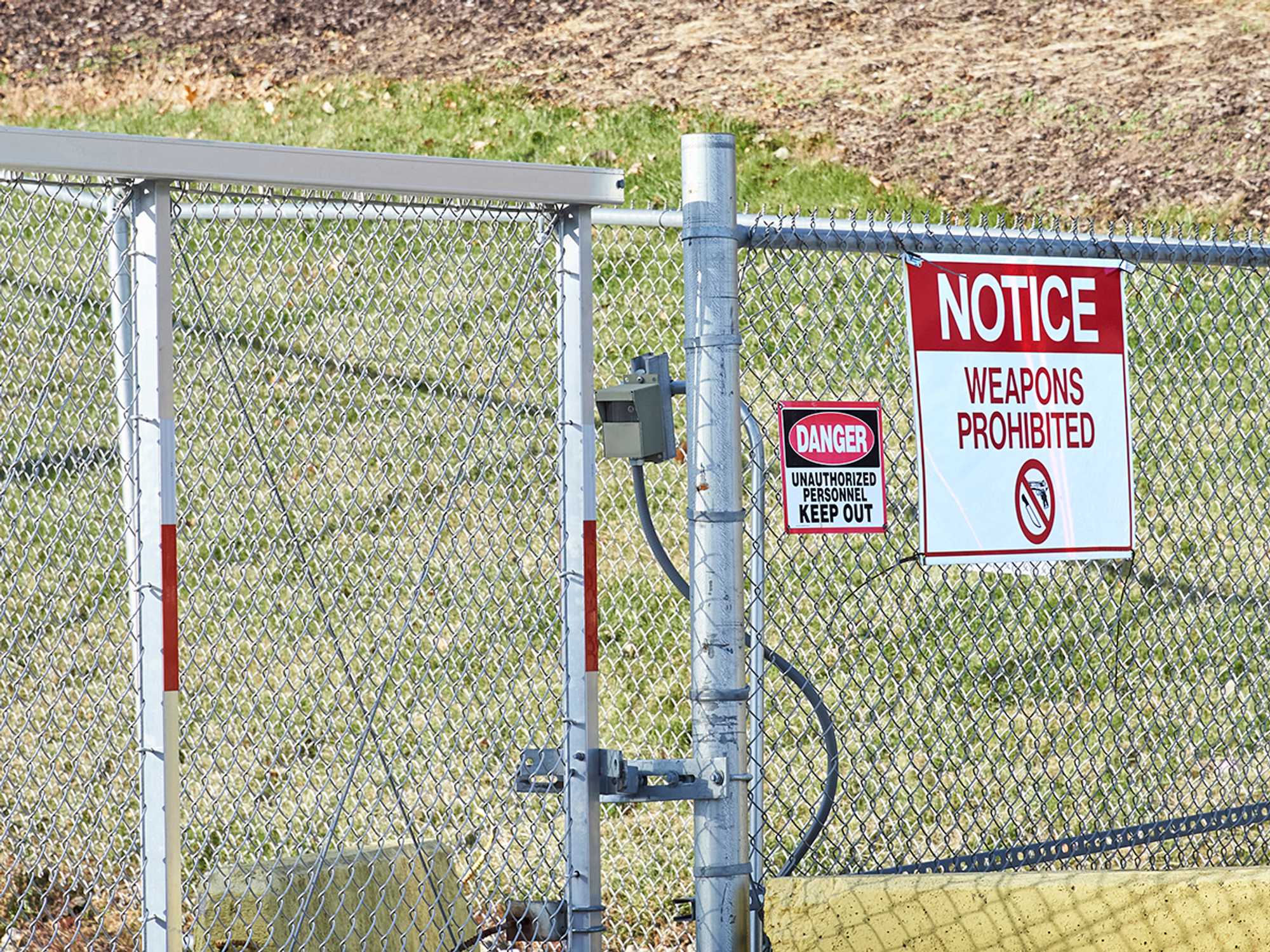
- Other yard access control procedures such as restrictive signs and security fencing and gates can provide more security.
Yard security begins at the point(s) of entry. Motor carriers must have a means of observing, and even recording, traffic in and out of facilities.
At a minimum, carriers should develop and implement yard access control procedures that include a written log of all traffic going in and out of the yard. This log should record such things as:
- The date and time of all traffic in and out of the yard;
- The names of all drivers — along with the numbers of the tractor or truck and trailer the drivers are operating — entering or exiting the yard;
- Type of movement (empty or loaded); and
- The purpose for the movement.
The log should be reviewed at the end of each business day, and each daily log should be retained for a minimum of six months.
Additional yard access control procedures motor carriers should consider include:
- Limiting access to only one entrance. Access to terminal yards should be limited to one entrance or gate at all times, especially during evening hours and weekends. Doing so will make the task of controlling and monitoring traffic easier. All other entry points should be sealed off and secured from public travel and access.
- Observing and reporting suspicious activity. Any unusual activity, such as individuals loitering around the gate or a car or van parked outside the fence for a long period of time should be investigated and reported. Criminals will tend to shy away from a vigilant carrier.
- Maintaining the restrictive nature of the entryway. It is strongly recommended that all motor carriers have security fencing and gates in place. However, in all situations, carriers need to send a clear message that facilities, parking lots, and yards are off limits to unauthorized persons and vehicles. At a minimum, carriers should put up restrictive signs at all points of entry to the yard and around the perimeter of the property.
- Employing a reliable guard service. Although this option can be fairly expensive for any motor carrier, the benefits of having live security personnel on duty to monitor yard activities are tremendous.
Controlling access to terminal facilities and yards needs to mean more than monitoring traffic. It also needs to serve as a major deterrent and obstacle to would-be cargo thieves, vandals, or other criminal elements.
A combination of restrictive signs, security fencing and gates, and a system to monitor traffic in and out of the yard will establish such a deterrent.