Compliance Just Got Easier: Stay ahead of regulatory changes with instant notifications on updates that matter.
['General Duty Clause']
['Elements of a General Duty Clause Violation']
07/08/2026

Copyright 2026 J. J. Keller & Associate, Inc. For re-use options please contact copyright@jjkeller.com or call 800-558-5011.
:
|
InstituteElements of a General Duty Clause ViolationAnalysisSafety & HealthGeneral Industry SafetyEnglishGeneral Duty ClauseFocus AreaCompliance and Exceptions (Level 2)USA
When can OSHA use the General Duty Clause?
['General Duty Clause']
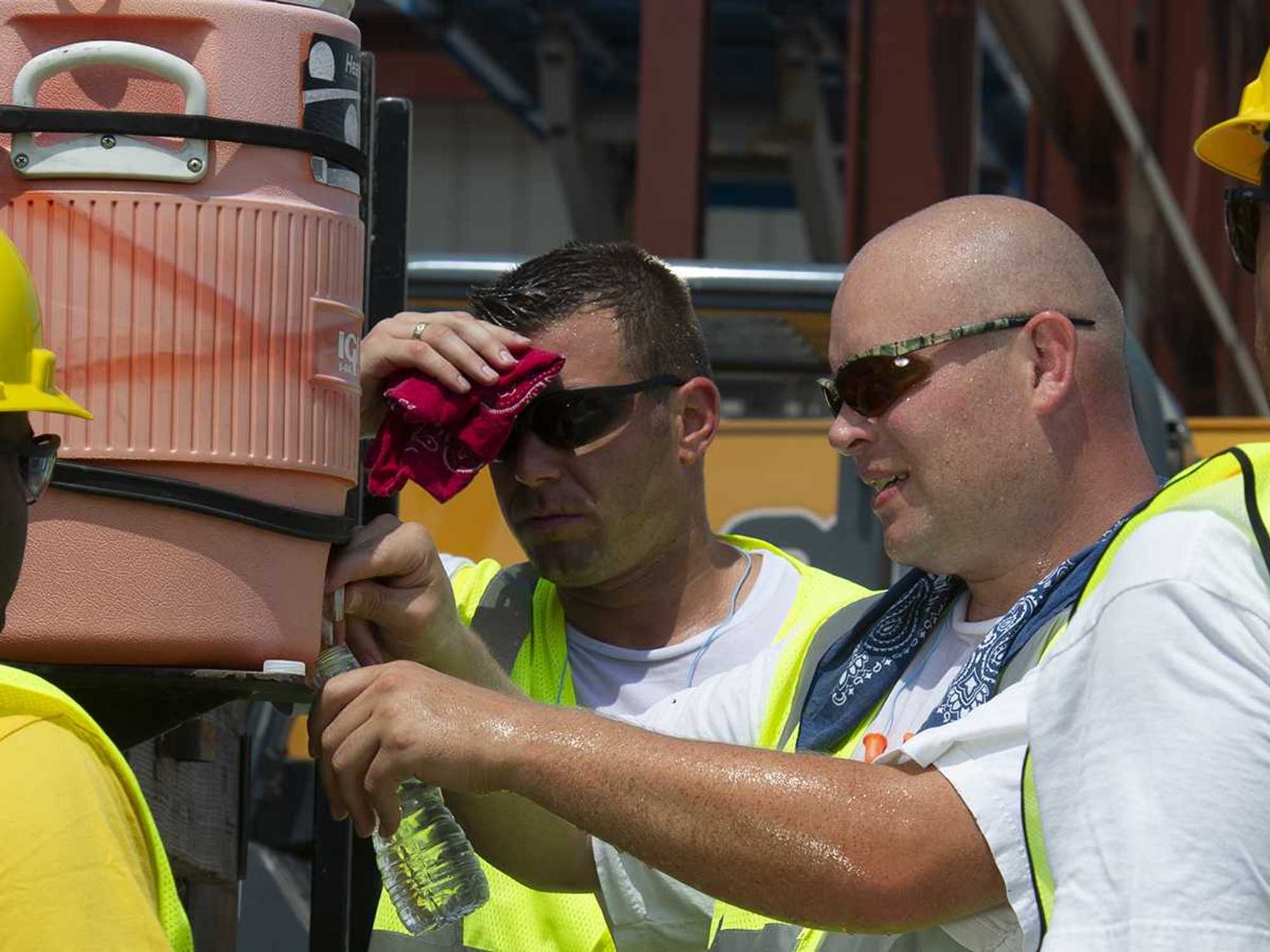
- OSHA relies on the General Duty Clause when employees are exposed to a recognized hazard in the workplace, but there is no specific OSHA standard under which to cite the employer.
The following elements are necessary for the Occupational Safety and Health Administration (OSHA) to support a General Duty Clause violation:
- Employees are exposed to a hazard;
- The hazard is recognized, which can come from many forms, including industry recognition or the employer’s own recognition because of previous injuries;
- The hazard is likely to cause death or serious physical harm; and
- There is a feasible and useful method to correct the hazard.
OSHA’s Field Operations Manual describes the four criteria in greater detail, along with examples, limitations of use, and more.
:
general-duty-clause
FOUNDATIONAL LEARNING
When can OSHA use the General Duty Clause?
InstituteElements of a General Duty Clause ViolationAnalysisSafety & HealthGeneral Industry SafetyEnglishGeneral Duty ClauseFocus AreaCompliance and Exceptions (Level 2)USA
['General Duty Clause']
- OSHA relies on the General Duty Clause when employees are exposed to a recognized hazard in the workplace, but there is no specific OSHA standard under which to cite the employer.
The following elements are necessary for the Occupational Safety and Health Administration (OSHA) to support a General Duty Clause violation:
- Employees are exposed to a hazard;
- The hazard is recognized, which can come from many forms, including industry recognition or the employer’s own recognition because of previous injuries;
- The hazard is likely to cause death or serious physical harm; and
- There is a feasible and useful method to correct the hazard.
OSHA’s Field Operations Manual describes the four criteria in greater detail, along with examples, limitations of use, and more.
2656868750
2656868220
UPGRADE TO CONTINUE READING
RELATED TOPICS
J. J. Keller is the trusted source for DOT / Transportation, OSHA / Workplace Safety, Human Resources, Construction Safety and Hazmat / Hazardous Materials regulation compliance products and services. J. J. Keller helps you increase safety awareness, reduce risk, follow best practices, improve safety training, and stay current with changing regulations.
Copyright 2026 J. J. Keller & Associate, Inc. For re-use options please contact copyright@jjkeller.com or call 800-558-5011.