Compliance Just Got Easier: Stay ahead of regulatory changes with instant notifications on updates that matter.
['Oil Spill Prevention']
['Oil Spill Prevention']
07/15/2025

Copyright 2026 J. J. Keller & Associate, Inc. For re-use options please contact copyright@jjkeller.com or call 800-558-5011.
:
|
InstituteWaste/HazWasteOil Spill PreventionOil Spill PreventionEnvironmentalFocus AreaEnglishAnalysisIn Depth Sub Topics (Level 4)USA
Tank trucks
['Oil Spill Prevention']
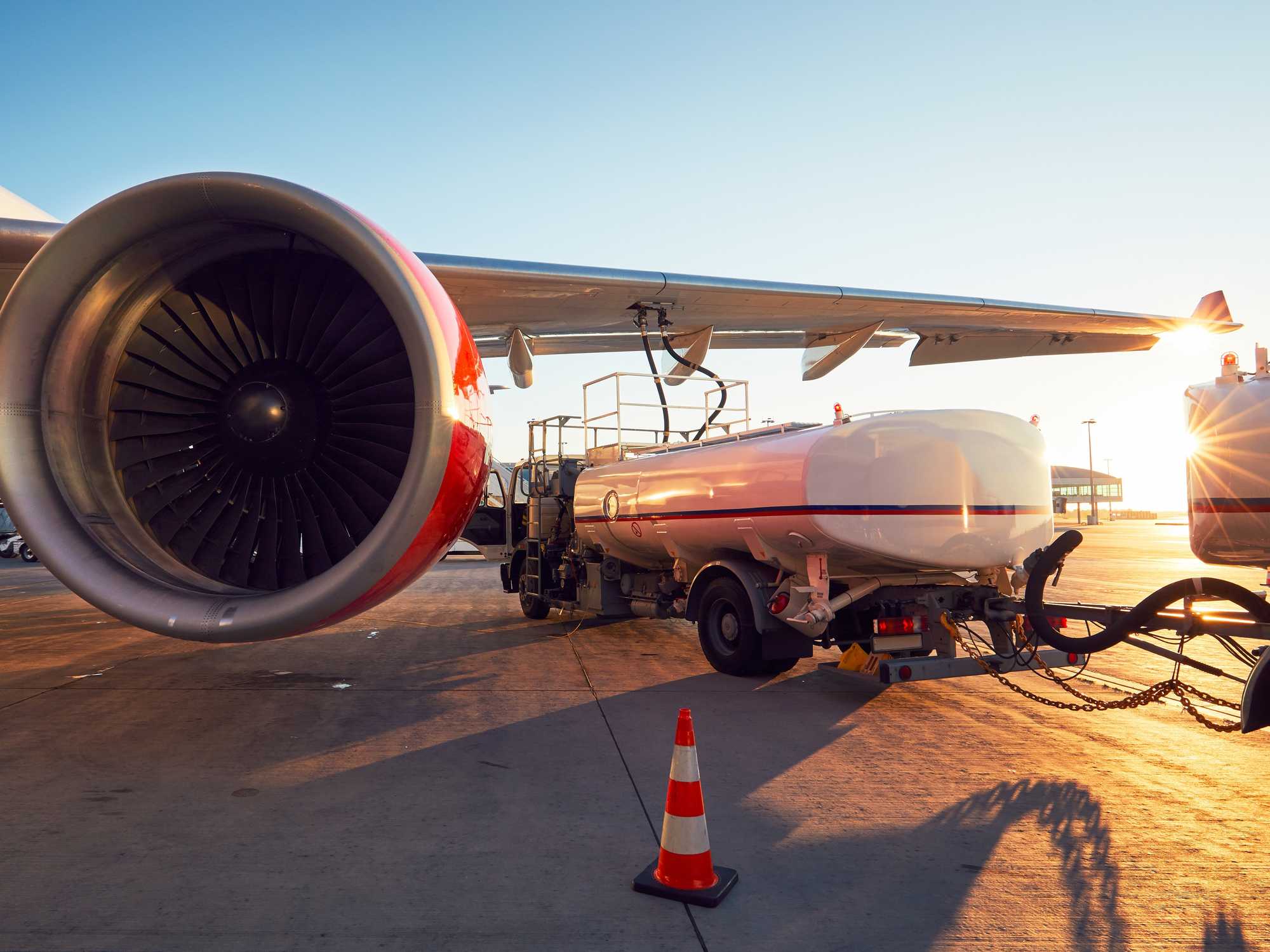
- Tank trucks are regulated by the EPA if they operate exclusively within the confines of a non-transportation-related facility.
The Environmental Protection Agency (EPA) regulates tank trucks (or mobile refuelers) as “mobile/portable containers” under Part 112 if they operate exclusively within the confines of a non-transportation-related facility. For example, a tank truck that moves within the confines of a facility and only leaves the facility to obtain more fuel (oil) would be considered to distribute fuel exclusively at one facility. This tank truck would be subject to Part 112 if it, or the facility, contained above the regulatory threshold amount and there was a reasonable expectation of discharge to navigable waters or adjoining shorelines. Similarly, a mobile refueler that fuels exclusively at one site, such as at an airport or construction site, would be subject to Part 112. However, if the tank truck only distributed fuel to multiple off-site facilities and did not perform fueling activities at the home base, the tank truck would be transportation-related, and regulated by the Department of Transportation (DOT).
Additionally, EPA regulates containers which were formerly used for transportation, such as a truck or railroad car, and are now used to store oil (i.e., no longer used for a transportation purpose) as a bulk storage container.
Tank trucks that are used in interstate or intrastate commerce can also be regulated if they are operating in a fixed, non-transportation mode. For example, if a home heating oil truck makes its deliveries, returns to the facility, and parks overnight with a partly filled fuel tank, it is subject to Part 112 if it or the facility has a capacity above the threshold amount, and there is a reasonable expectation of discharge to navigable waters or adjoining shorelines. However, if the home heating oil truck’s fuel tank contains no oil when it is parked at the facility, other than any residual oil present in an emptied vehicle, it would be regulated only by DOT.
:
oil-spill-prevention
oil-spill-prevention
FOUNDATIONAL LEARNING
Tank trucks
InstituteWaste/HazWasteOil Spill PreventionOil Spill PreventionEnvironmentalFocus AreaEnglishAnalysisIn Depth Sub Topics (Level 4)USA
['Oil Spill Prevention']
- Tank trucks are regulated by the EPA if they operate exclusively within the confines of a non-transportation-related facility.
The Environmental Protection Agency (EPA) regulates tank trucks (or mobile refuelers) as “mobile/portable containers” under Part 112 if they operate exclusively within the confines of a non-transportation-related facility. For example, a tank truck that moves within the confines of a facility and only leaves the facility to obtain more fuel (oil) would be considered to distribute fuel exclusively at one facility. This tank truck would be subject to Part 112 if it, or the facility, contained above the regulatory threshold amount and there was a reasonable expectation of discharge to navigable waters or adjoining shorelines. Similarly, a mobile refueler that fuels exclusively at one site, such as at an airport or construction site, would be subject to Part 112. However, if the tank truck only distributed fuel to multiple off-site facilities and did not perform fueling activities at the home base, the tank truck would be transportation-related, and regulated by the Department of Transportation (DOT).
Additionally, EPA regulates containers which were formerly used for transportation, such as a truck or railroad car, and are now used to store oil (i.e., no longer used for a transportation purpose) as a bulk storage container.
Tank trucks that are used in interstate or intrastate commerce can also be regulated if they are operating in a fixed, non-transportation mode. For example, if a home heating oil truck makes its deliveries, returns to the facility, and parks overnight with a partly filled fuel tank, it is subject to Part 112 if it or the facility has a capacity above the threshold amount, and there is a reasonable expectation of discharge to navigable waters or adjoining shorelines. However, if the home heating oil truck’s fuel tank contains no oil when it is parked at the facility, other than any residual oil present in an emptied vehicle, it would be regulated only by DOT.
2657010747
2657010950
UPGRADE TO CONTINUE READING
RELATED TOPICS
J. J. Keller is the trusted source for DOT / Transportation, OSHA / Workplace Safety, Human Resources, Construction Safety and Hazmat / Hazardous Materials regulation compliance products and services. J. J. Keller helps you increase safety awareness, reduce risk, follow best practices, improve safety training, and stay current with changing regulations.
Copyright 2026 J. J. Keller & Associate, Inc. For re-use options please contact copyright@jjkeller.com or call 800-558-5011.