Compliance Just Got Easier: Stay ahead of regulatory changes with instant notifications on updates that matter.
['Air Programs']
['Air Programs', 'Air Emissions', 'Chlorofluorocarbons', 'Air Permitting', 'Stationary Emission Sources', 'Air Quality', 'Ozone Depleting Substances']
08/26/2026

Copyright 2026 J. J. Keller & Associate, Inc. For re-use options please contact copyright@jjkeller.com or call 800-558-5011.
:
|
InstituteAir QualityAir ProgramsAir EmissionsIn Depth Sub Topics (Level 4)Focus AreaUSAAir PermittingChlorofluorocarbonsEnglishAnalysisAir ProgramsStationary Emission SourcesOzone Depleting Substances
Stationary source servicing (section 608)
['Air Programs']
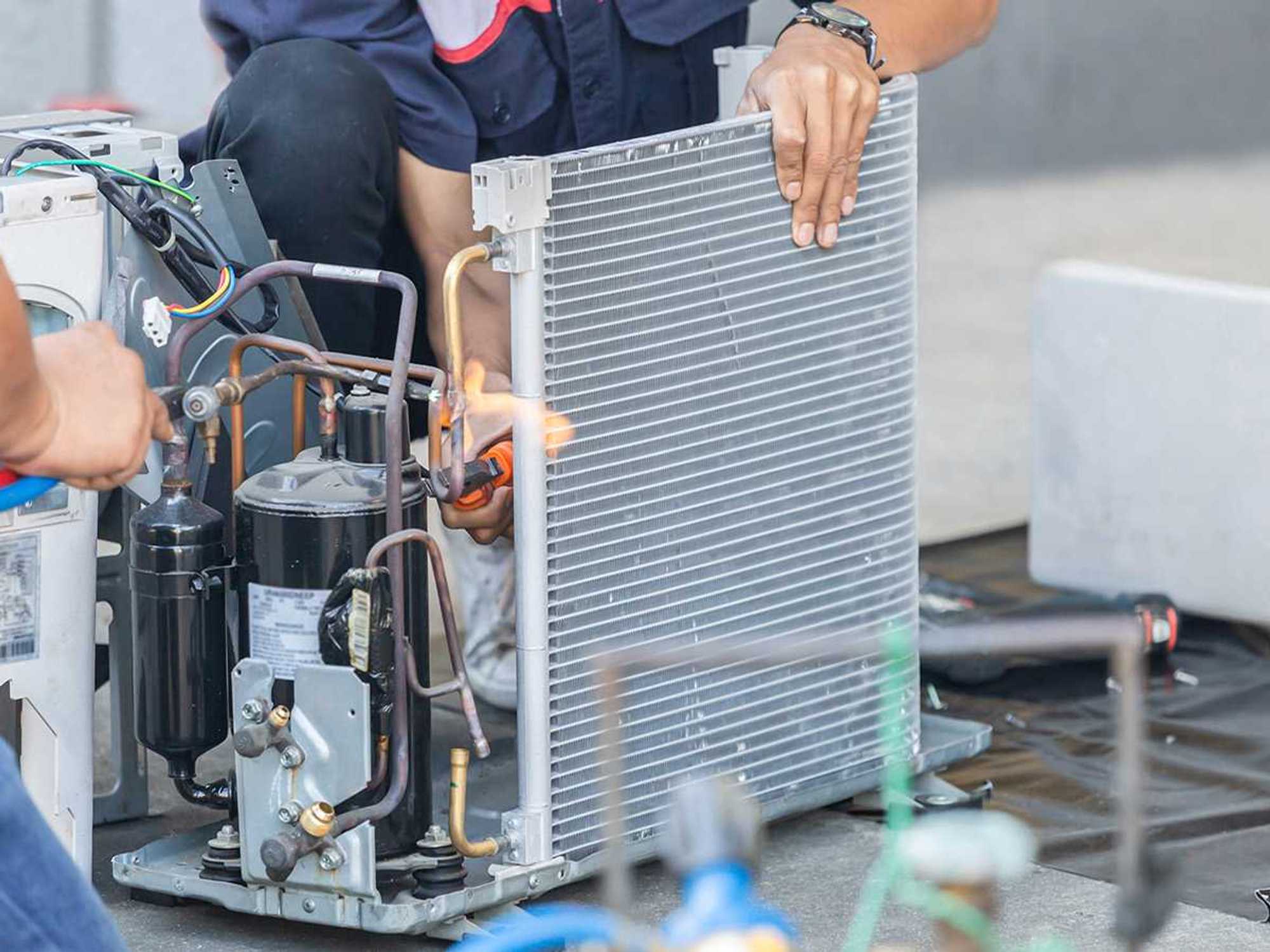
- Only three types of releases of ODS or their substitutes are permitted.
Stationary refrigeration, air conditioning, and heat pump equipment is used in all types of buildings. The Environmental Protection Agency (EPA) regulations under 608 of the Clean Air Act (CAA) address the handling and recycling of refrigerants used in these types of equipment. These regulations are designed to:
- Prevent the release of ozone-depleting substances (ODS) when stationary equipment is being serviced, maintained, repaired, or disposed.
- Reduce the use and emission of ODS from stationary equipment.
- Maximize the recapture and recycling of ODS from stationary equipment.
- Ensure the safe disposal of ODS.
EPA regulations under section 608 prohibit anyone from intentionally venting ODS or their substitutes while maintaining, servicing, repairing, or disposing of air-conditioning or refrigeration equipment. Only three types of releases are permitted:
- De minimis quantities of refrigerant released while making good faith attempts to recapture and recycle or safely dispose of refrigerant, including releases that occur when connecting or disconnecting hoses to charge or service appliances.
- Refrigerant emitted during the normal operation of air-conditioning and refrigeration equipment (as opposed to during the maintenance, servicing, repair, or disposal of this equipment), such as from mechanical purging and leaks. However, the EPA requires that leaks above a certain size be repaired in equipment that contains 50 pounds of refrigerant or more.
- Releases of substitute refrigerants that EPA has determined do not pose a threat to the environment.
The EPA requires technicians who service stationary refrigeration and air-conditioning equipment to follow specific practices. These practices are meant to maximize recovery and recycling of refrigerants, which can be ODS or potent greenhouse gases. Different practices apply to different equipment, depending on their size and manufacture.
:
air-programs
air-programs
FOUNDATIONAL LEARNING
Stationary source servicing (section 608)
InstituteAir QualityAir ProgramsAir EmissionsIn Depth Sub Topics (Level 4)Focus AreaUSAAir PermittingChlorofluorocarbonsEnglishAnalysisAir ProgramsStationary Emission SourcesOzone Depleting Substances
['Air Programs']
- Only three types of releases of ODS or their substitutes are permitted.
Stationary refrigeration, air conditioning, and heat pump equipment is used in all types of buildings. The Environmental Protection Agency (EPA) regulations under 608 of the Clean Air Act (CAA) address the handling and recycling of refrigerants used in these types of equipment. These regulations are designed to:
- Prevent the release of ozone-depleting substances (ODS) when stationary equipment is being serviced, maintained, repaired, or disposed.
- Reduce the use and emission of ODS from stationary equipment.
- Maximize the recapture and recycling of ODS from stationary equipment.
- Ensure the safe disposal of ODS.
EPA regulations under section 608 prohibit anyone from intentionally venting ODS or their substitutes while maintaining, servicing, repairing, or disposing of air-conditioning or refrigeration equipment. Only three types of releases are permitted:
- De minimis quantities of refrigerant released while making good faith attempts to recapture and recycle or safely dispose of refrigerant, including releases that occur when connecting or disconnecting hoses to charge or service appliances.
- Refrigerant emitted during the normal operation of air-conditioning and refrigeration equipment (as opposed to during the maintenance, servicing, repair, or disposal of this equipment), such as from mechanical purging and leaks. However, the EPA requires that leaks above a certain size be repaired in equipment that contains 50 pounds of refrigerant or more.
- Releases of substitute refrigerants that EPA has determined do not pose a threat to the environment.
The EPA requires technicians who service stationary refrigeration and air-conditioning equipment to follow specific practices. These practices are meant to maximize recovery and recycling of refrigerants, which can be ODS or potent greenhouse gases. Different practices apply to different equipment, depending on their size and manufacture.
2656870944
2656870327
UPGRADE TO CONTINUE READING
J. J. Keller is the trusted source for DOT / Transportation, OSHA / Workplace Safety, Human Resources, Construction Safety and Hazmat / Hazardous Materials regulation compliance products and services. J. J. Keller helps you increase safety awareness, reduce risk, follow best practices, improve safety training, and stay current with changing regulations.
Copyright 2026 J. J. Keller & Associate, Inc. For re-use options please contact copyright@jjkeller.com or call 800-558-5011.