
Specific (sized) secondary containment
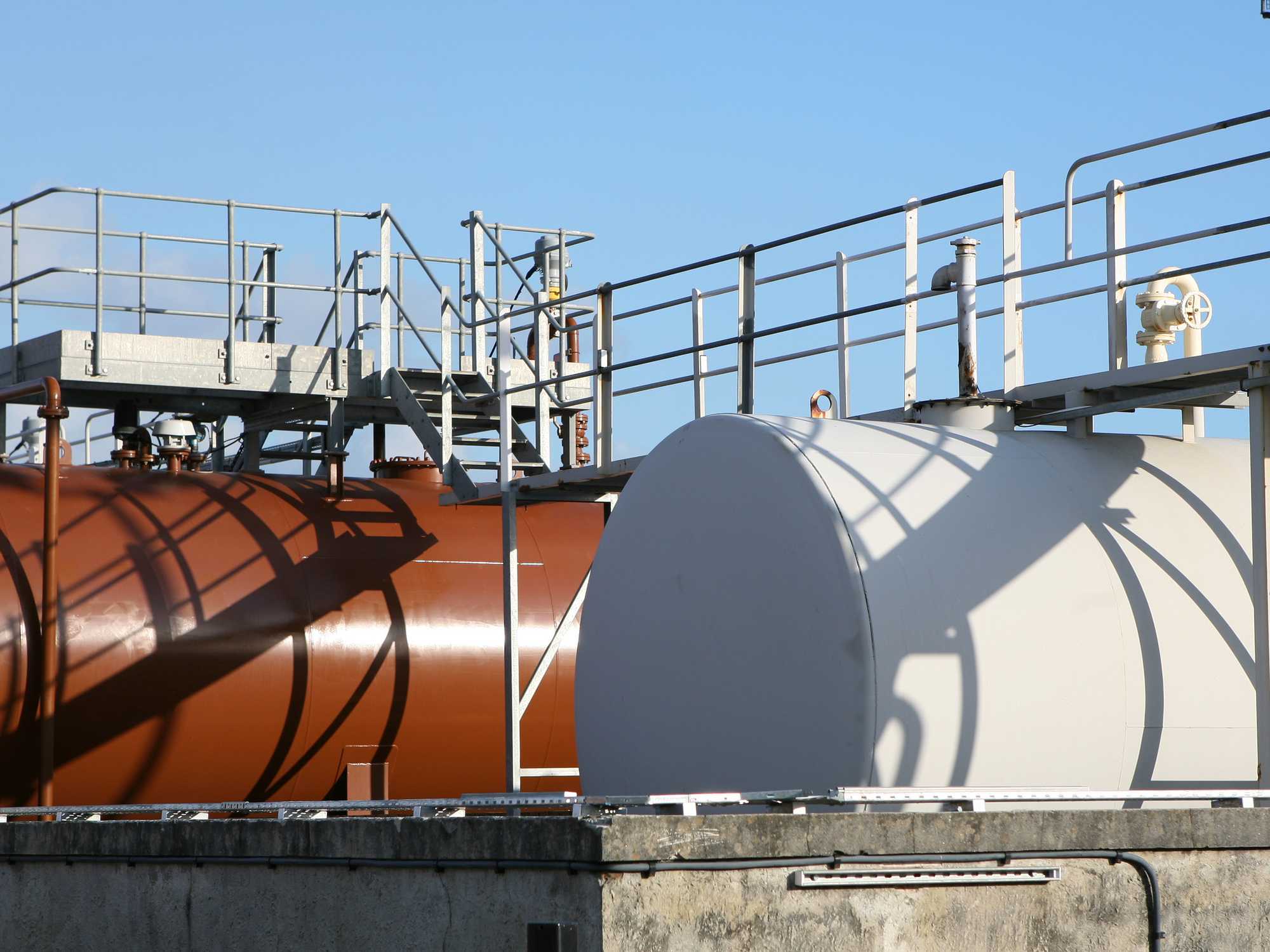
- Certain types of containers, activities, or equipment that have potential for oil discharge may be subject to more stringent requirements.
While all parts of a regulated facility with potential for a discharge are, at a minimum, subject to the general secondary containment requirements of 112.7(c), areas where certain types of containers, activities, or equipment are located may be subject to additional, more stringent containment requirements, including specifications for minimum capacity.
Specific secondary containment addresses the potential of oil discharges from areas of a facility where oil is stored or handled. Specific secondary containment is often called “sized” secondary containment because the containment is sized to hold the quantity from the largest single container plus sufficient freeboard (for precipitation).
The containment design, sizing, and freeboard requirements are specified by Part 112 to address a major container failure (e.g., the entire contents of the container and/or compartment) from a bulk storage container; single compartment of a tank car or tank truck at a loading/unloading rack; mobile/portable containers; and production tank batteries, treatment, and separation installations (including flow-through process vessels and produced water containers).