
Requirements
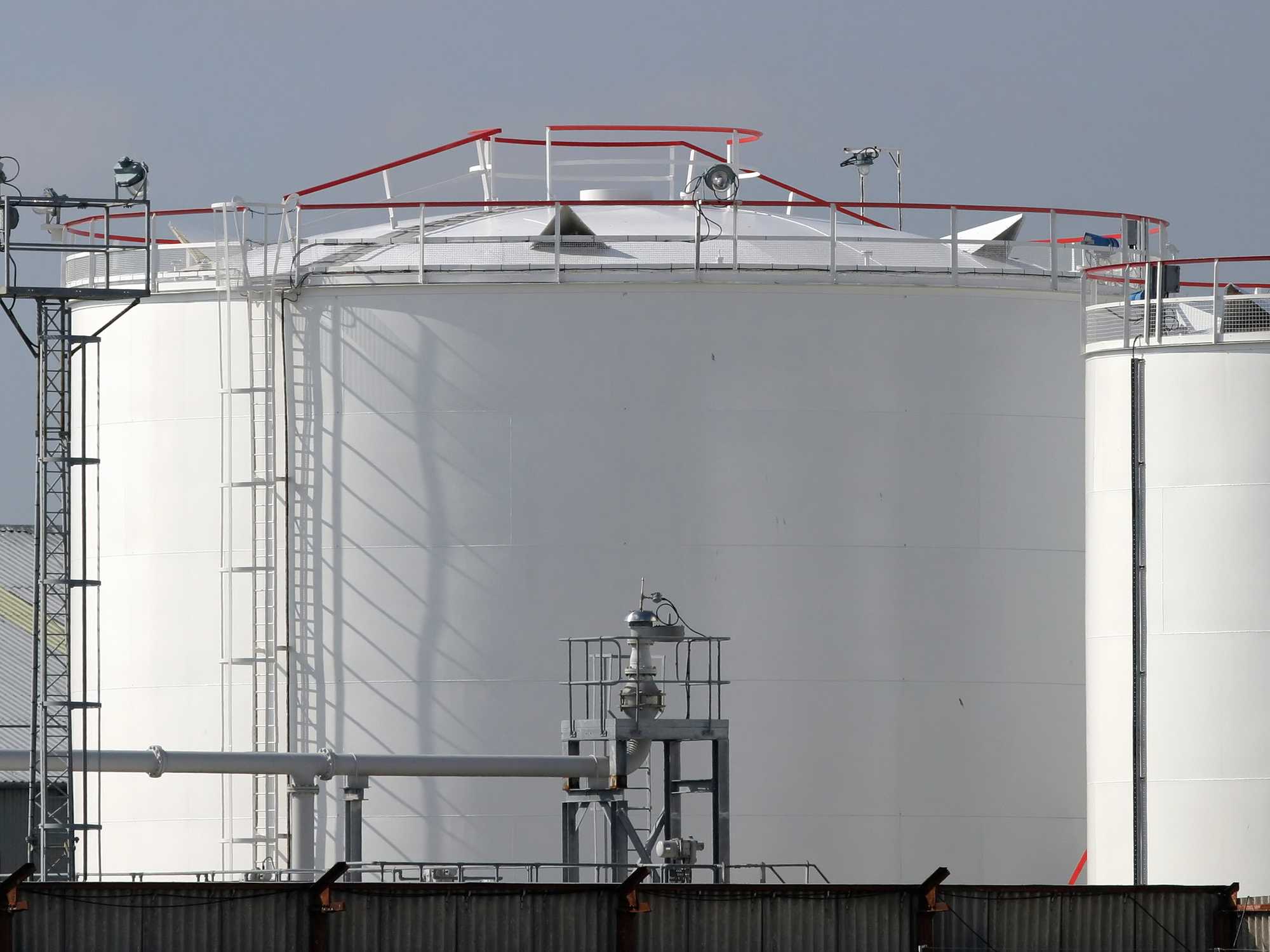
- The SPCC rule specifies a minimum size for secondary containment for loading and unloading racks; for bulk storage containers; and production facility containers such as tank batteries and separation and treatment equipment.
The spill prevention, control, and countermeasure (SPCC) rule (Part 112 Subparts A to C) specifies a required minimum size for secondary containment for the following areas:
- Loading/Unloading racks;
- Bulk storage containers including mobile or portable containers (does not apply to mobile refuelers or other non-transportation-related tank trucks); and
- Production facility bulk storage containers, including tank batteries, separation, and treating equipment (e.g., produced water tanks).
In general, provisions for specific secondary containment require that the chosen containment method be sized to contain the largest single oil compartment or container plus “sufficient freeboard” to contain precipitation.
Note that the “largest single compartment” may consist of several containers that are permanently manifolded together. Permanently manifolded tanks are tanks that are designed, installed, or operated in such a manner that the multiple containers function as a single storage unit. Accordingly, the total capacity of manifolded containers is the design capacity standard for the sized secondary containment provisions (plus freeboard in certain cases).
While the rule does not require that secondary containment calculations be kept in the SPCC Plan, EPA strongly recommends that the facility owner or operator maintain the calculations such that if questions arise during an inspection, the calculations which serve as the basis for the capacity of the secondary containment system will be readily available for review by the EPA inspector. Industry guidance also recommends that facility owners or operators include any secondary containment capacity calculations and/or design standards with the plan.