Compliance Just Got Easier: Stay ahead of regulatory changes with instant notifications on updates that matter.
['Driver licence classifications']
['Driver licence classifications']
03/18/2024

Copyright 2026 J. J. Keller & Associate, Inc. For re-use options please contact copyright@jjkeller.com or call 800-558-5011.
:
|
InstituteCanadaFleet SafetyDriver licence classificationsDriver licence classificationsFocus AreaEnglishAnalysisTransportationCompliance and Exceptions (Level 2)
Provincial driver licence classifications
['Driver licence classifications']
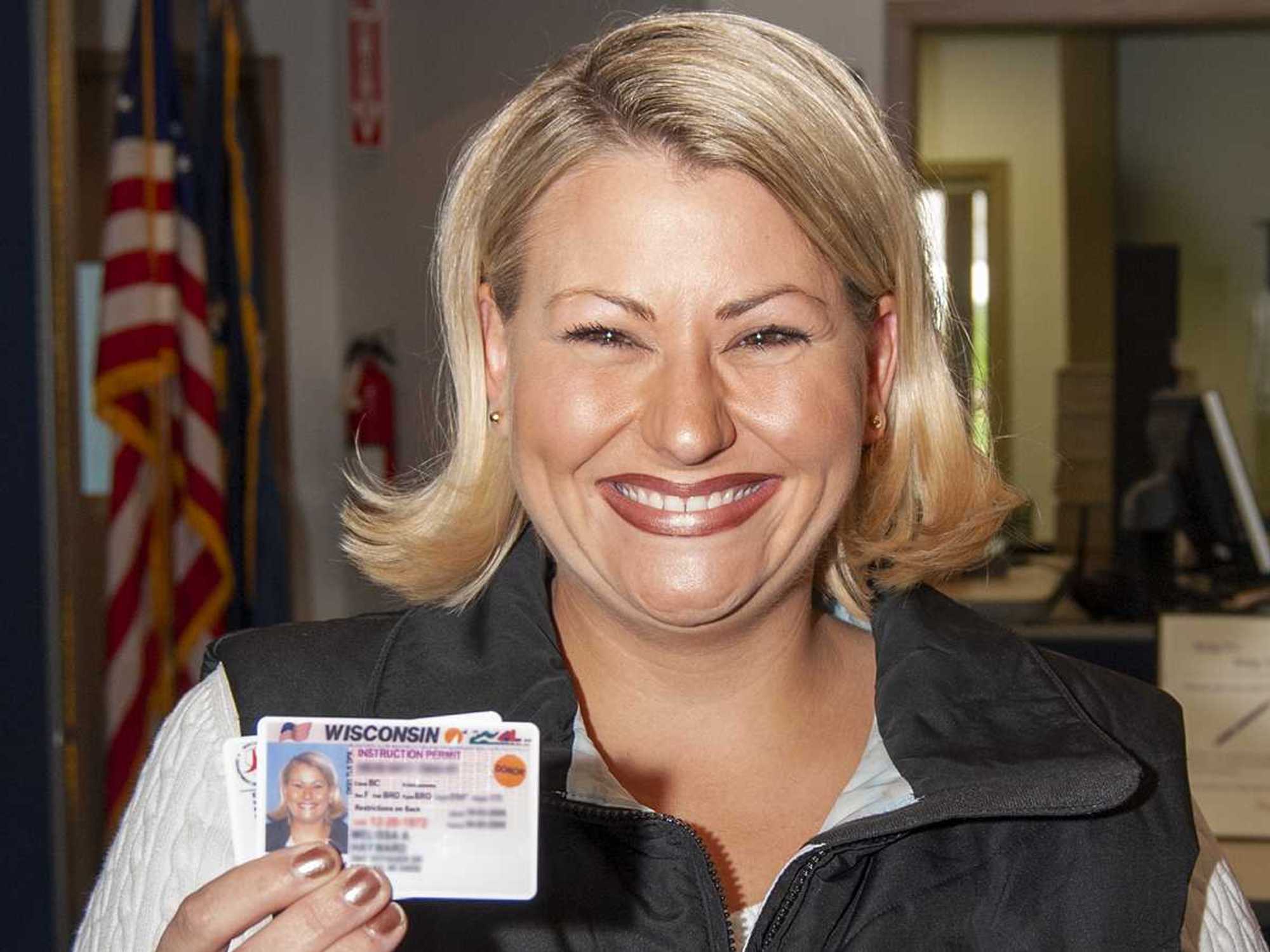
The class licence system is used in Alberta, British Columbia, Manitoba, New Brunswick, Newfoundland and Labrador, the Northwestern Territories, Nunavut, Nova Scotia, Prince Edward Island, Quebec, Saskatchewan, and Yukon.
A Class 1 licence allows you to drive any type of motor vehicle, including semi-trailer trucks. A Class 2 licence allows you to operate buses as well as vehicles under classes 3, 4, and 5. With a class 3 licence, you can drive trucks with two or more axles (three or more axles in Alberta) and vehicles under class 5. Class 4 gives you licence to drive vehicles such as taxis, ambulances, and certain types of buses as well as Class 5 vehicles. The Class 5 licence allows you to drive a passenger vehicle. This is the kind of licence most non-commercial drivers get once they have passed the initial stages of licensing. Class 6 is a motorcycle cycle licence.
However, Ontario uses a different classification scheme for different kinds of driver’s licence. In Ontario, a G licence allows you to operate a passenger vehicle with no restrictions. New drivers go through the learner’s permit (G1) and probationary licence (G2) before they can obtain a G licence. Class A allows the driver to operate any tractor-trailer combination, as well as Class D and Class G vehicles. Class B is a licence to operate any type of school bus as well as Class C, D, E, F, and G vehicles. Class C allows the driver to operate any regular bus in addition to Class D, F, and G vehicles. Class D allows the holder to drive all trucks or combination as long as the towed vehicle weighs 4,600 kg or less. Vehicles under class G are also allowed. Class E restricts drivers to operating school buses with a maximum of 24 passengers, as well as Class F and Class G vehicles. Class F allows the holder to drive regular buses with a maximum capacity of 24 passengers, as well as ambulances and Class G vehicles and Class M is a motorcycle licence, which can also serve as the equivalent of a G1 licence.
:
driver-licence-classifications
driver-licence-classifications
FOUNDATIONAL LEARNING
Provincial driver licence classifications
InstituteCanadaFleet SafetyDriver licence classificationsDriver licence classificationsFocus AreaEnglishAnalysisTransportationCompliance and Exceptions (Level 2)
['Driver licence classifications']
The class licence system is used in Alberta, British Columbia, Manitoba, New Brunswick, Newfoundland and Labrador, the Northwestern Territories, Nunavut, Nova Scotia, Prince Edward Island, Quebec, Saskatchewan, and Yukon.
A Class 1 licence allows you to drive any type of motor vehicle, including semi-trailer trucks. A Class 2 licence allows you to operate buses as well as vehicles under classes 3, 4, and 5. With a class 3 licence, you can drive trucks with two or more axles (three or more axles in Alberta) and vehicles under class 5. Class 4 gives you licence to drive vehicles such as taxis, ambulances, and certain types of buses as well as Class 5 vehicles. The Class 5 licence allows you to drive a passenger vehicle. This is the kind of licence most non-commercial drivers get once they have passed the initial stages of licensing. Class 6 is a motorcycle cycle licence.
However, Ontario uses a different classification scheme for different kinds of driver’s licence. In Ontario, a G licence allows you to operate a passenger vehicle with no restrictions. New drivers go through the learner’s permit (G1) and probationary licence (G2) before they can obtain a G licence. Class A allows the driver to operate any tractor-trailer combination, as well as Class D and Class G vehicles. Class B is a licence to operate any type of school bus as well as Class C, D, E, F, and G vehicles. Class C allows the driver to operate any regular bus in addition to Class D, F, and G vehicles. Class D allows the holder to drive all trucks or combination as long as the towed vehicle weighs 4,600 kg or less. Vehicles under class G are also allowed. Class E restricts drivers to operating school buses with a maximum of 24 passengers, as well as Class F and Class G vehicles. Class F allows the holder to drive regular buses with a maximum capacity of 24 passengers, as well as ambulances and Class G vehicles and Class M is a motorcycle licence, which can also serve as the equivalent of a G1 licence.
2667099337
2667081015
UPGRADE TO CONTINUE READING
RELATED TOPICS
J. J. Keller is the trusted source for DOT / Transportation, OSHA / Workplace Safety, Human Resources, Construction Safety and Hazmat / Hazardous Materials regulation compliance products and services. J. J. Keller helps you increase safety awareness, reduce risk, follow best practices, improve safety training, and stay current with changing regulations.
Copyright 2026 J. J. Keller & Associate, Inc. For re-use options please contact copyright@jjkeller.com or call 800-558-5011.