Compliance Just Got Easier: Stay ahead of regulatory changes with instant notifications on updates that matter.
['Enforcement and Audits - OSHA']
['OSHA Violations and Penalties', 'OSHA Inspections', 'Enforcement and Audits - OSHA']
06/28/2023

Copyright 2026 J. J. Keller & Associate, Inc. For re-use options please contact copyright@jjkeller.com or call 800-558-5011.
:
|
InstituteEnforcement and Audits - OSHAOSHA InspectionsEnforcement and Audits - OSHASafety & HealthConstruction SafetyGeneral Industry SafetyMaritime SafetyFocus AreaUSAEnglishAnalysisOSHA Violations and PenaltiesIn Depth (Level 3)
Penalties
['Enforcement and Audits - OSHA']
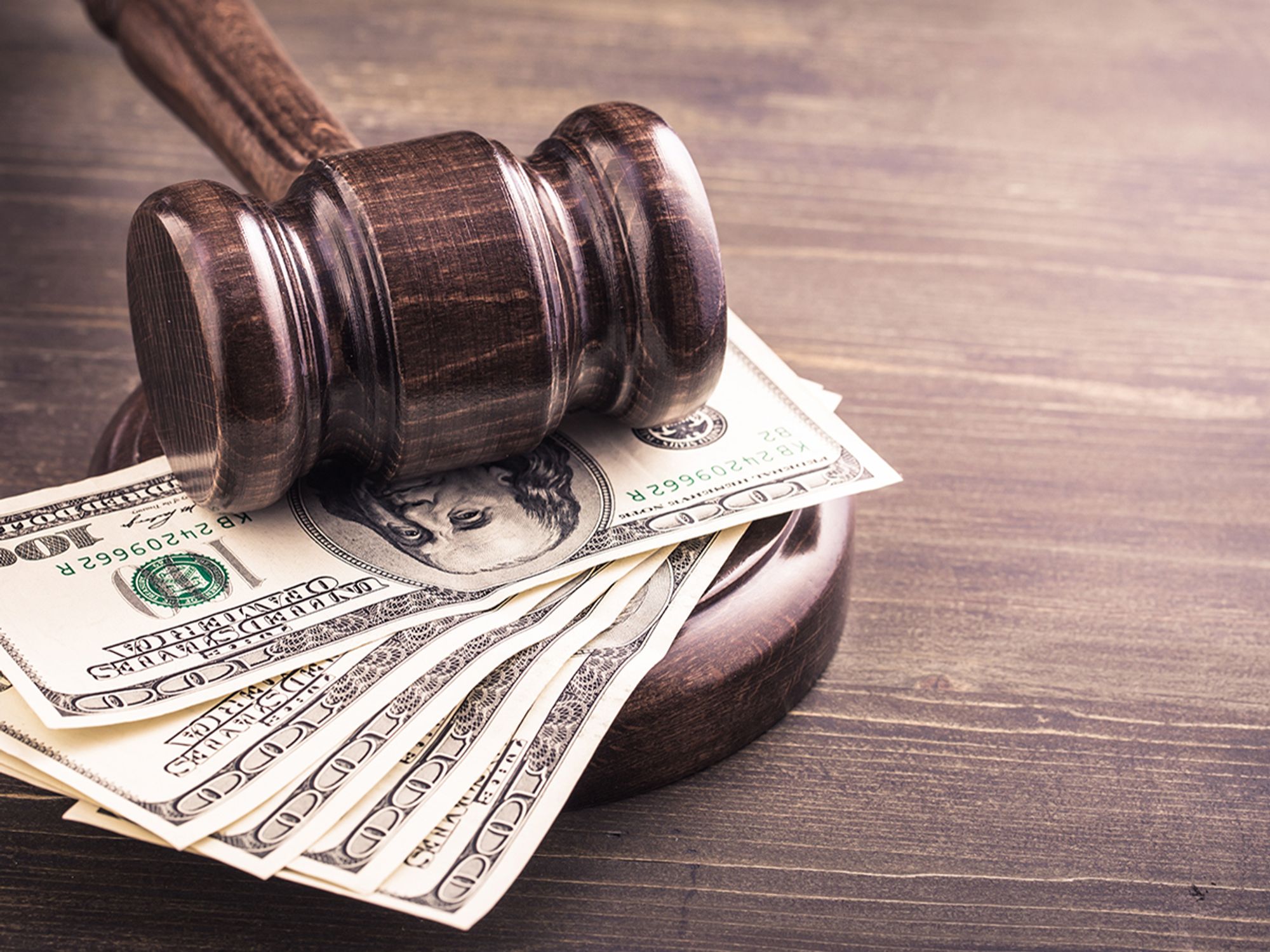
Before determining the amount of a penalty, OSHA has to categorize the violation. Violations are classified as:
- Serious — A violation where there is a substantial probability that death or serious physical harm could result, and the employer knew or should have known of the hazard; carries proposed penalty of up to $15,625 but not less than $1,116.
- Other-Than-Serious — A violation having a direct relationship to safety and health, but the most serious injury or illness that could reasonably be expected to result from an employee’s exposure would not be severe; no penalties are usually proposed, but can be as high as $15,625.
- Willful — A violation that the employer intentionally and knowingly commits or the employer has received several different repeat violations. It carries a maximum penalty of $145,027 but not less than $11,162.
- Repeat — A violation that is similar to a previously cited violation at the same company location, or at other locations of the same company, within the previous five years; carries a minimum penalty of $15,625 and maximum penalty of $156,259. Note that a court has stated that the five-year lookback as prescribed in OSHA’s Field Operations Manual (FOM) is only a guide, and there’s no statutory time limit on the length of time that a previously issued citation can be used as a basis for a repeat violation.
- Failure=To-Post — A violation of OSHA’s posting requirements caries a penalty up to $15,625.
- Failure-To-Abate — A violation cited previously but not corrected within the prescribed abatement period; carries a $15,625 per day penalty maximum.
In November 2015, Congress passed a law requiring federal agencies to adjust their civil penalty amounts for inflation. At that time, OSHA was allowed a one-time “catch-up adjustment” that increased penalty amounts by 78 percent. Penalty amounts will continue to be adjusted for inflation no later than January 15 every year. State-Plan States must adopt maximum penalties that are at least as stringent as federal OSHA’s penalty amounts.
Criminal referrals
It should be noted that OSHA’s legal arm has made a number of criminal referrals to the U.S. Department of Justice and forged more partnerships with state/local prosecutors to punish employers under state criminal statutes. OSHA explains that the timely prosecution of an individual within the community in which he or she works and where the victim often resided has a strong deterrent effect in the industry and sends a signal to the OSHA-regulated community that behavior that results in a fatality or significant worker injury or illness will not be tolerated. In a nutshell, criminal enforcement is an effective tool, according to the agency.
:
enforcement-and-audits-osha
enforcement-and-audits-osha
FOUNDATIONAL LEARNING
Before determining the amount of a penalty, OSHA has to categorize the violation. Violations are classified as:
- Serious — A violation where there is a substantial probability that death or serious physical harm could result, and the employer knew or should have known of the hazard; carries proposed penalty of up to $15,625 but not less than $1,116.
- Other-Than-Serious — A violation having a direct relationship to safety and health, but the most serious injury or illness that could reasonably be expected to result from an employee’s exposure would not be severe; no penalties are usually proposed, but can be as high as $15,625.
- Willful — A violation that the employer intentionally and knowingly commits or the employer has received several different repeat violations. It carries a maximum penalty of $145,027 but not less than $11,162.
- Repeat — A violation that is similar to a previously cited violation at the same company location, or at other locations of the same company, within the previous five years; carries a minimum penalty of $15,625 and maximum penalty of $156,259. Note that a court has stated that the five-year lookback as prescribed in OSHA’s Field Operations Manual (FOM) is only a guide, and there’s no statutory time limit on the length of time that a previously issued citation can be used as a basis for a repeat violation.
- Failure=To-Post — A violation of OSHA’s posting requirements caries a penalty up to $15,625.
- Failure-To-Abate — A violation cited previously but not corrected within the prescribed abatement period; carries a $15,625 per day penalty maximum.
In November 2015, Congress passed a law requiring federal agencies to adjust their civil penalty amounts for inflation. At that time, OSHA was allowed a one-time “catch-up adjustment” that increased penalty amounts by 78 percent. Penalty amounts will continue to be adjusted for inflation no later than January 15 every year. State-Plan States must adopt maximum penalties that are at least as stringent as federal OSHA’s penalty amounts.
Criminal referrals
It should be noted that OSHA’s legal arm has made a number of criminal referrals to the U.S. Department of Justice and forged more partnerships with state/local prosecutors to punish employers under state criminal statutes. OSHA explains that the timely prosecution of an individual within the community in which he or she works and where the victim often resided has a strong deterrent effect in the industry and sends a signal to the OSHA-regulated community that behavior that results in a fatality or significant worker injury or illness will not be tolerated. In a nutshell, criminal enforcement is an effective tool, according to the agency.
2660692645
2660692911
UPGRADE TO CONTINUE READING
RELATED TOPICS
J. J. Keller is the trusted source for DOT / Transportation, OSHA / Workplace Safety, Human Resources, Construction Safety and Hazmat / Hazardous Materials regulation compliance products and services. J. J. Keller helps you increase safety awareness, reduce risk, follow best practices, improve safety training, and stay current with changing regulations.
Copyright 2026 J. J. Keller & Associate, Inc. For re-use options please contact copyright@jjkeller.com or call 800-558-5011.