Compliance Just Got Easier: Stay ahead of regulatory changes with instant notifications on updates that matter.
['Oil Spill Prevention']
['Oil Spill Prevention']
12/28/2023

Copyright 2026 J. J. Keller & Associate, Inc. For re-use options please contact copyright@jjkeller.com or call 800-558-5011.
:
|
InstituteWaste/HazWasteOil Spill PreventionOil Spill PreventionEnvironmentalFocus AreaEnglishAnalysisIn Depth Sub Topics (Level 4)USA
Methods of secondary containment listed in 112.7(c)
['Oil Spill Prevention']
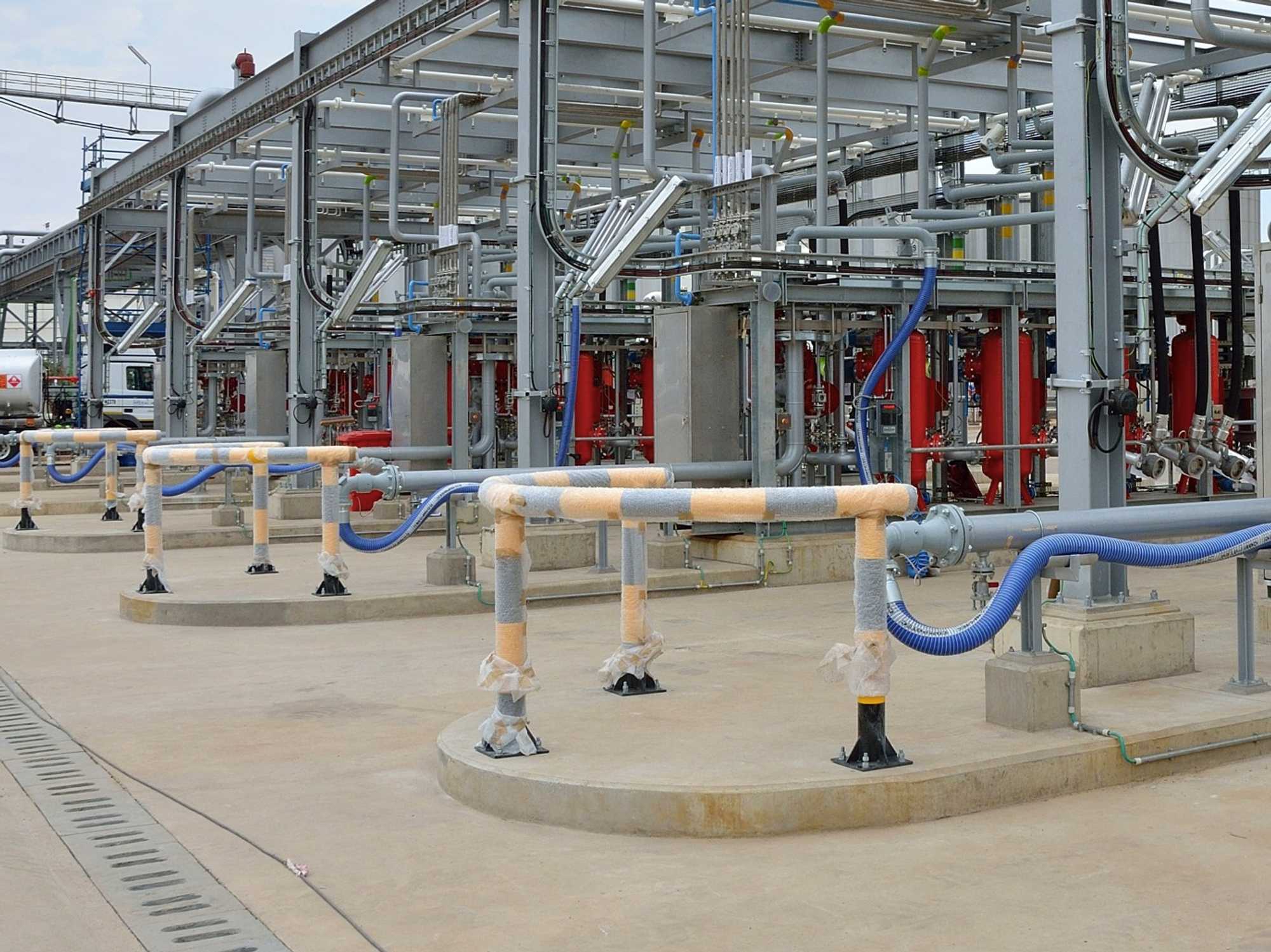
- Examples of secondary containment methods include dikes, berms, and retaining walls; drainage systems; booms and other barriers; sorbent materials; and more.
Part 112.7(c) lists several methods of providing secondary containment, which are described in table below. These methods are examples only; other containment methods may be used, consistent with good engineering practice. For example, a facility could use an oil/water separator, combined with a drainage system, to collect and retain discharges of oil within the facility. Professional engineer (PE) certification (or self-certification, in the case of qualified facilities) of Spill Prevention, Control, and Countermeasure (SPCC) Plan includes verification that the selected secondary containment methods for the facility are appropriate and follow good engineering practice.
| Secondary containment method | Description of examples |
|---|---|
| Dikes, berms, or retaining walls sufficiently impervious to contain oil | Types of permanent engineered barriers, such as raised earth embankments or concrete containment walls, designed to hold oil. Normally used in areas with potential for large discharges, such as single or multiple aboveground storage tanks and certain piping. Temporary dikes and berms may be constructed after a discharge is discovered as an active containment measure (or a countermeasure) so long as they can be implemented in time to prevent the spilled oil from reaching surface waters. For more information, see Passive versus Active Secondary Containment Determination. |
| Curbing | Typically consists of a permanent reinforced concrete or an asphalt apron surrounded by a concrete curb. Can also be of a uniform, rectangular cross-section or combined with mountable curb sections to allow access to loading/unloading vehicles and materials handling equipment. Can be used where only small spills are expected and also used to direct spills to drains or catchment areas. Temporary curbing may be constructed after a discharge is discovered as an active containment measure (or a countermeasure) so long as it can be implemented in time to prevent the spilled oil from reaching surface waters. For more information, see Passive versus Active Secondary Containment Determination. |
| Culverting, gutters, or other drainage systems | Types of permanent drainage systems designed to direct spills to remote containment or treatment areas. Ideal for situations where spill containment structures cannot or should not be located immediately adjacent to the potential spill source. |
| Weirs | Dam-like structures with a notch through which oil may flow to be collected. Generally used in combination with skimmers to remove oil from the surface of water. |
| Booms | Form a continuous barrier placed as a precautionary measure to contain/collect oil. Typically used for the containment, exclusion, or deflection of oil floating on water, and is usually associated with an oil spill contingency or Facility Response Plan to address oil spills that have reached surface waters. Beach booms are designed to work in shallow or tidal areas. Sorbent-filled booms can be used for land-based spills. There are very limited applications for use of booms for land-based containment of discharged oil. |
| Barriers | Spill mats, storm drain covers, and dams used to block or prevent the flow of oil. Temporary barriers may be put in place prior to a discharge or after a discharge is discovered. These are all considered effective active containment measures (or countermeasures) as long as they can be implemented in time to prevent the spilled oil from reaching navigable waters and adjoining shorelines. For more information, see Passive versus Active Secondary Containment Determination. |
| Spill diversion ponds and retention ponds | Designed for long-term or permanent containment of stormwater, but also capable of capturing and holding oil or runoff and preventing it from entering surface water bodies. Temporary spill diversion ponds and retention ponds may be constructed after a discharge is discovered as an active containment measure (or countermeasure) as long as they can be implemented in time to prevent the spilled oil from reaching navigable waters and adjoining shorelines. There are very limited applications for use of temporary spill diversion and retention ponds for land-based containment of discharged oil due to the timely availability of the appropriate excavation equipment required to rapidly construct the ponds. For more information, see Passive versus Active Secondary Containment Determination. |
| Sorbent materials | Insoluble materials or mixtures of materials (packaged in forms such as spill pads, pillows, socks, and mats) used to recover liquids through the mechanisms of absorption, adsorption, or both. Materials include clay, vermiculite, diatomaceous earth, and man-made materials. Used to isolate and contain small drips or leaks until the source of the leak is repaired. Commonly used with material handling equipment, such as valves and pumps. Also used as an active containment measure (or countermeasure) to contain and collect small-volume discharges before they reach waterways. Proper use of these materials may require a properly equipped and trained spill response team specifically trained to contain an oil discharge prior to reaching navigable waters or adjoining shorelines. For more information, see Passive versus Active Secondary Containment Determination. |
| Drip pans | Used to isolate and contain small drips or leaks until the source of the leak is repaired. Drip pans are commonly used with product dispensing containers (usually drums), when uncoupling hoses during bulk transfer operations, and for pumps, valves, and fittings. |
| Sumps and collection systems | A permanent pit or reservoir and its associated troughs/trenches that collect oil. |
:
oil-spill-prevention
oil-spill-prevention
FOUNDATIONAL LEARNING
Methods of secondary containment listed in 112.7(c)
InstituteWaste/HazWasteOil Spill PreventionOil Spill PreventionEnvironmentalFocus AreaEnglishAnalysisIn Depth Sub Topics (Level 4)USA
['Oil Spill Prevention']
- Examples of secondary containment methods include dikes, berms, and retaining walls; drainage systems; booms and other barriers; sorbent materials; and more.
Part 112.7(c) lists several methods of providing secondary containment, which are described in table below. These methods are examples only; other containment methods may be used, consistent with good engineering practice. For example, a facility could use an oil/water separator, combined with a drainage system, to collect and retain discharges of oil within the facility. Professional engineer (PE) certification (or self-certification, in the case of qualified facilities) of Spill Prevention, Control, and Countermeasure (SPCC) Plan includes verification that the selected secondary containment methods for the facility are appropriate and follow good engineering practice.
| Secondary containment method | Description of examples |
|---|---|
| Dikes, berms, or retaining walls sufficiently impervious to contain oil | Types of permanent engineered barriers, such as raised earth embankments or concrete containment walls, designed to hold oil. Normally used in areas with potential for large discharges, such as single or multiple aboveground storage tanks and certain piping. Temporary dikes and berms may be constructed after a discharge is discovered as an active containment measure (or a countermeasure) so long as they can be implemented in time to prevent the spilled oil from reaching surface waters. For more information, see Passive versus Active Secondary Containment Determination. |
| Curbing | Typically consists of a permanent reinforced concrete or an asphalt apron surrounded by a concrete curb. Can also be of a uniform, rectangular cross-section or combined with mountable curb sections to allow access to loading/unloading vehicles and materials handling equipment. Can be used where only small spills are expected and also used to direct spills to drains or catchment areas. Temporary curbing may be constructed after a discharge is discovered as an active containment measure (or a countermeasure) so long as it can be implemented in time to prevent the spilled oil from reaching surface waters. For more information, see Passive versus Active Secondary Containment Determination. |
| Culverting, gutters, or other drainage systems | Types of permanent drainage systems designed to direct spills to remote containment or treatment areas. Ideal for situations where spill containment structures cannot or should not be located immediately adjacent to the potential spill source. |
| Weirs | Dam-like structures with a notch through which oil may flow to be collected. Generally used in combination with skimmers to remove oil from the surface of water. |
| Booms | Form a continuous barrier placed as a precautionary measure to contain/collect oil. Typically used for the containment, exclusion, or deflection of oil floating on water, and is usually associated with an oil spill contingency or Facility Response Plan to address oil spills that have reached surface waters. Beach booms are designed to work in shallow or tidal areas. Sorbent-filled booms can be used for land-based spills. There are very limited applications for use of booms for land-based containment of discharged oil. |
| Barriers | Spill mats, storm drain covers, and dams used to block or prevent the flow of oil. Temporary barriers may be put in place prior to a discharge or after a discharge is discovered. These are all considered effective active containment measures (or countermeasures) as long as they can be implemented in time to prevent the spilled oil from reaching navigable waters and adjoining shorelines. For more information, see Passive versus Active Secondary Containment Determination. |
| Spill diversion ponds and retention ponds | Designed for long-term or permanent containment of stormwater, but also capable of capturing and holding oil or runoff and preventing it from entering surface water bodies. Temporary spill diversion ponds and retention ponds may be constructed after a discharge is discovered as an active containment measure (or countermeasure) as long as they can be implemented in time to prevent the spilled oil from reaching navigable waters and adjoining shorelines. There are very limited applications for use of temporary spill diversion and retention ponds for land-based containment of discharged oil due to the timely availability of the appropriate excavation equipment required to rapidly construct the ponds. For more information, see Passive versus Active Secondary Containment Determination. |
| Sorbent materials | Insoluble materials or mixtures of materials (packaged in forms such as spill pads, pillows, socks, and mats) used to recover liquids through the mechanisms of absorption, adsorption, or both. Materials include clay, vermiculite, diatomaceous earth, and man-made materials. Used to isolate and contain small drips or leaks until the source of the leak is repaired. Commonly used with material handling equipment, such as valves and pumps. Also used as an active containment measure (or countermeasure) to contain and collect small-volume discharges before they reach waterways. Proper use of these materials may require a properly equipped and trained spill response team specifically trained to contain an oil discharge prior to reaching navigable waters or adjoining shorelines. For more information, see Passive versus Active Secondary Containment Determination. |
| Drip pans | Used to isolate and contain small drips or leaks until the source of the leak is repaired. Drip pans are commonly used with product dispensing containers (usually drums), when uncoupling hoses during bulk transfer operations, and for pumps, valves, and fittings. |
| Sumps and collection systems | A permanent pit or reservoir and its associated troughs/trenches that collect oil. |
2657010531
2657010573
UPGRADE TO CONTINUE READING
RELATED TOPICS
J. J. Keller is the trusted source for DOT / Transportation, OSHA / Workplace Safety, Human Resources, Construction Safety and Hazmat / Hazardous Materials regulation compliance products and services. J. J. Keller helps you increase safety awareness, reduce risk, follow best practices, improve safety training, and stay current with changing regulations.
Copyright 2026 J. J. Keller & Associate, Inc. For re-use options please contact copyright@jjkeller.com or call 800-558-5011.