Compliance Just Got Easier: Stay ahead of regulatory changes with instant notifications on updates that matter.
['Waste']
['Waste', 'Waste Management', 'Hazardous Waste', 'Waste Generators', 'EPA Identification Numbers', 'TSD Facilities']
07/22/2025

Copyright 2026 J. J. Keller & Associate, Inc. For re-use options please contact copyright@jjkeller.com or call 800-558-5011.
:
|
InstituteHazardous WasteWaste GeneratorsWaste/HazWasteWasteEPA Identification NumbersWasteTSD FacilitiesWaste ManagementEnvironmentalEnglishAnalysisFocus AreaCompliance and Exceptions (Level 2)USA
Hazardous waste generator categories
['Waste']
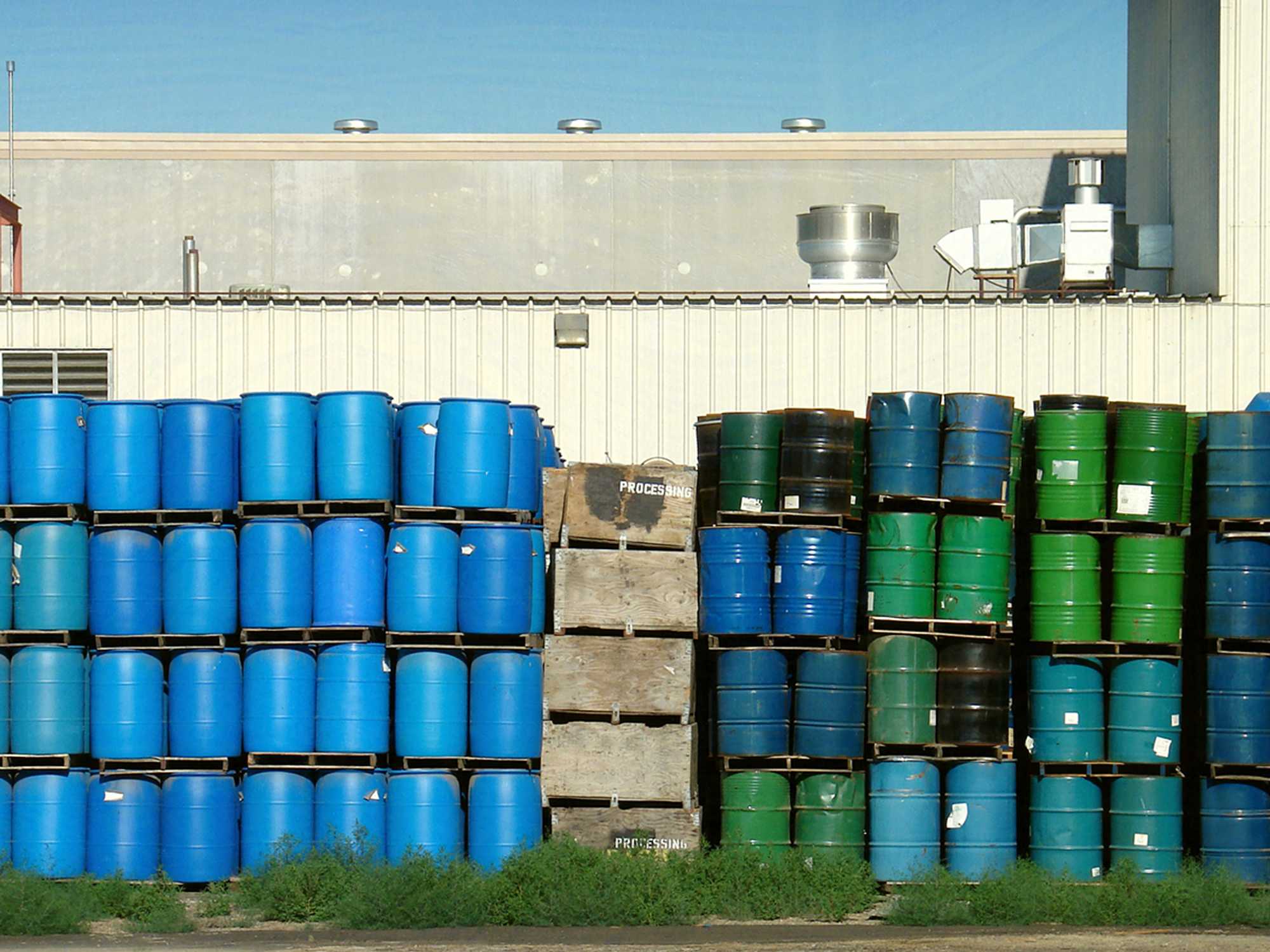
- There are three categories of hazardous waste generators: VSQGs, SQGs, and LQGs.
The Environmental Protection Agency’s (EPA’s) hazardous waste regulations apply differently depending upon a facility’s generator category, which is determined by how much hazardous waste the facility generates each month. The more waste a facility generates, the more regulated the facility is.
There are three categories of hazardous waste generators:
- Very small quantity generators (VSQGs, formerly known as conditionally exempt small quantity generators);
- Small quantity generators (SQGs); and
- Large quantity generators (LQGs).
VSQGs generate the least amount of hazardous waste per month and LQGs generate the most. Generators must comply with a specific set of requirements for their specific generator category.
Cited under 40 CFR 261, 262.14, 262.16, and 262.17, hazardous waste generators are required to:
- Count the total amount of hazardous waste generated in a calendar month.
- Determine their hazardous waste generator category (i.e., VSQG, SQG, or LQG).
- Not accumulate more waste than is allowed for their generator category at any one time.
- Ship waste offsite within 180 or 90 days, depending on the generator category.
- Notify EPA of their waste activities and obtain an EPA ID Number (SQGs and LQGs only).
- Manage the waste according to their hazardous waste generator category.
- Know what to do if they exceed their accumulation limits.
Conditions for exemption vs. independent requirements
Conditions for exemption: These are conditions generators must meet in order to manage hazardous waste at their facilities without having to obtain a permit as a treatment, storage, or disposal facility (TSDF). The legal consequence of not complying with a condition for exemption is that the generator who accumulates waste onsite can be charged with operating a non-exempt storage facility (unless it is meeting the conditions for exemption of a larger generator category). A generator operating a storage facility without any exemption is subject to, and potentially in violation of, many storage permit and operations requirements in Parts 124, 264 through 268, and 270. Example: The 90-day accumulation time limit for large quantity generators.
Independent requirements: These requirements apply to generators regardless of whether they choose to obtain an exemption from the permit requirement. An independent requirement is equivalent to a law that can be broken. EPA can pursue an enforcement action against a generator for violating an independent requirement. Example: Pre-transport waste packaging requirements are unconditional demands. Failure to meet these requirements would result in penalties or fines.
:
waste
waste
FOUNDATIONAL LEARNING
- There are three categories of hazardous waste generators: VSQGs, SQGs, and LQGs.
The Environmental Protection Agency’s (EPA’s) hazardous waste regulations apply differently depending upon a facility’s generator category, which is determined by how much hazardous waste the facility generates each month. The more waste a facility generates, the more regulated the facility is.
There are three categories of hazardous waste generators:
- Very small quantity generators (VSQGs, formerly known as conditionally exempt small quantity generators);
- Small quantity generators (SQGs); and
- Large quantity generators (LQGs).
VSQGs generate the least amount of hazardous waste per month and LQGs generate the most. Generators must comply with a specific set of requirements for their specific generator category.
Cited under 40 CFR 261, 262.14, 262.16, and 262.17, hazardous waste generators are required to:
- Count the total amount of hazardous waste generated in a calendar month.
- Determine their hazardous waste generator category (i.e., VSQG, SQG, or LQG).
- Not accumulate more waste than is allowed for their generator category at any one time.
- Ship waste offsite within 180 or 90 days, depending on the generator category.
- Notify EPA of their waste activities and obtain an EPA ID Number (SQGs and LQGs only).
- Manage the waste according to their hazardous waste generator category.
- Know what to do if they exceed their accumulation limits.
Conditions for exemption vs. independent requirements
Conditions for exemption: These are conditions generators must meet in order to manage hazardous waste at their facilities without having to obtain a permit as a treatment, storage, or disposal facility (TSDF). The legal consequence of not complying with a condition for exemption is that the generator who accumulates waste onsite can be charged with operating a non-exempt storage facility (unless it is meeting the conditions for exemption of a larger generator category). A generator operating a storage facility without any exemption is subject to, and potentially in violation of, many storage permit and operations requirements in Parts 124, 264 through 268, and 270. Example: The 90-day accumulation time limit for large quantity generators.
Independent requirements: These requirements apply to generators regardless of whether they choose to obtain an exemption from the permit requirement. An independent requirement is equivalent to a law that can be broken. EPA can pursue an enforcement action against a generator for violating an independent requirement. Example: Pre-transport waste packaging requirements are unconditional demands. Failure to meet these requirements would result in penalties or fines.
2657011099
2657010872
UPGRADE TO CONTINUE READING
RELATED TOPICS
J. J. Keller is the trusted source for DOT / Transportation, OSHA / Workplace Safety, Human Resources, Construction Safety and Hazmat / Hazardous Materials regulation compliance products and services. J. J. Keller helps you increase safety awareness, reduce risk, follow best practices, improve safety training, and stay current with changing regulations.
Copyright 2026 J. J. Keller & Associate, Inc. For re-use options please contact copyright@jjkeller.com or call 800-558-5011.