Compliance Just Got Easier: Stay ahead of regulatory changes with instant notifications on updates that matter.
['Fire Protection and Prevention']
['Fire Protection and Prevention']
05/06/2025

Copyright 2026 J. J. Keller & Associate, Inc. For re-use options please contact copyright@jjkeller.com or call 800-558-5011.
:
|
InstituteEnglishSafety & HealthGeneral Industry SafetyFire Protection and PreventionUSAFire Protection and PreventionAnalysisFocus AreaIn Depth (Level 3)
Fire detection systems
['Fire Protection and Prevention']
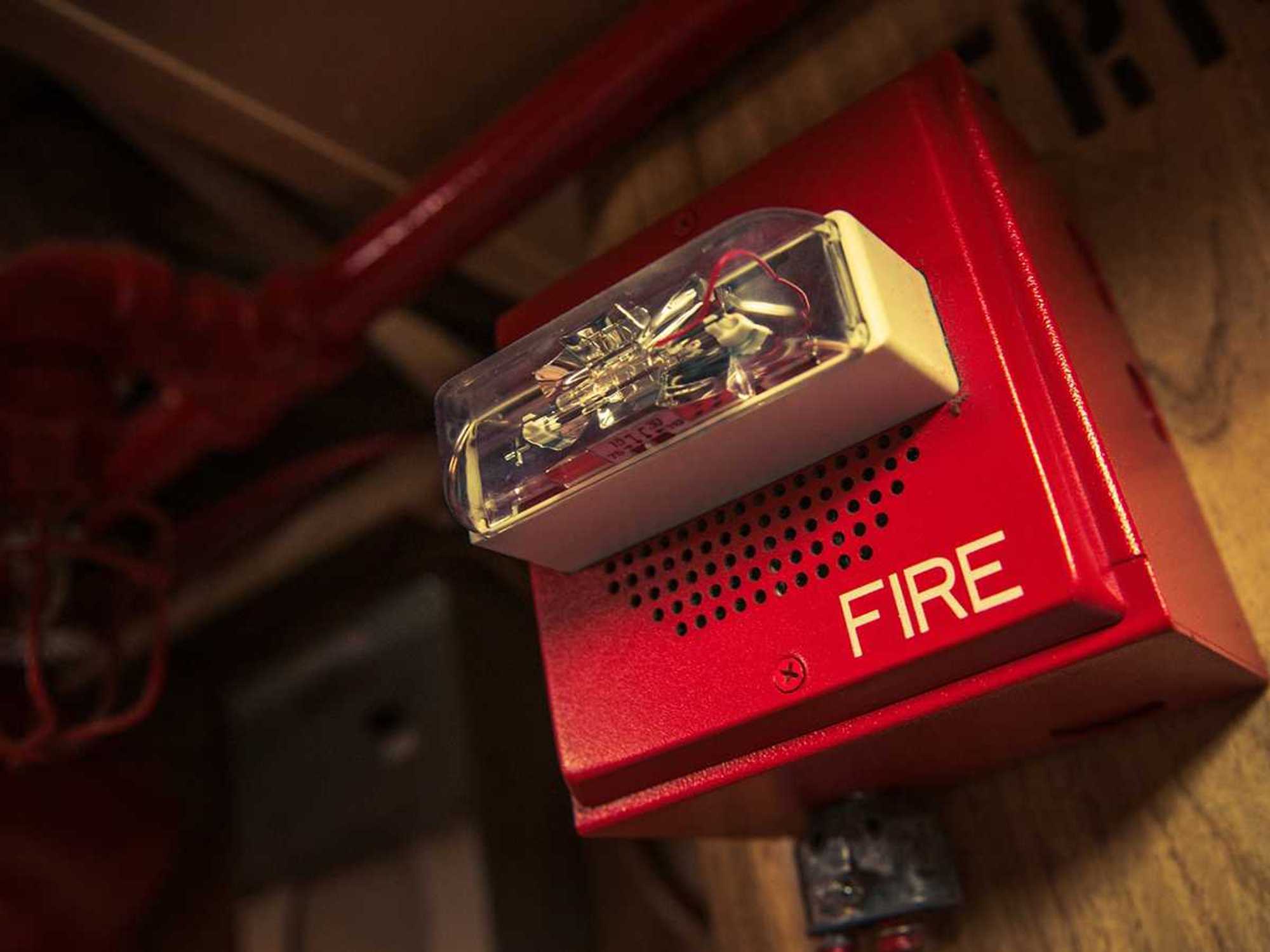
Fire detection systems do just that — detect fires. They also trigger fire suppression systems and employee alarm systems. It is important that fire detection systems work properly and effectively. Early detection of a fire means faster reaction to the fire, timely notification of employees, and less property damage.
The regulations for fire detection systems at 1910.164 apply to companies that must have fire suppression systems because they are regulated by a specific OSHA standard or paragraphs therein. These include:
- 1910.36 — General requirements — Means of egress
- 1910.106 — Flammable liquids
- 1910.107 — Spray finishing using flammable and combustible materials
- 1910.125 — Additional requirements for dipping and coating operations that use flammable liquids or liquids with flashpoints greater than 199.4 °F (93 °C)
- 1910.109 — Explosives and blasting agents
- 1910.265 — Sawmills
:
fire-protection-and-prevention
fire-protection-and-prevention
FOUNDATIONAL LEARNING
Fire detection systems
InstituteEnglishSafety & HealthGeneral Industry SafetyFire Protection and PreventionUSAFire Protection and PreventionAnalysisFocus AreaIn Depth (Level 3)
['Fire Protection and Prevention']
Fire detection systems do just that — detect fires. They also trigger fire suppression systems and employee alarm systems. It is important that fire detection systems work properly and effectively. Early detection of a fire means faster reaction to the fire, timely notification of employees, and less property damage.
The regulations for fire detection systems at 1910.164 apply to companies that must have fire suppression systems because they are regulated by a specific OSHA standard or paragraphs therein. These include:
- 1910.36 — General requirements — Means of egress
- 1910.106 — Flammable liquids
- 1910.107 — Spray finishing using flammable and combustible materials
- 1910.125 — Additional requirements for dipping and coating operations that use flammable liquids or liquids with flashpoints greater than 199.4 °F (93 °C)
- 1910.109 — Explosives and blasting agents
- 1910.265 — Sawmills
2660310741
2660301847
UPGRADE TO CONTINUE READING
RELATED TOPICS
J. J. Keller is the trusted source for DOT / Transportation, OSHA / Workplace Safety, Human Resources, Construction Safety and Hazmat / Hazardous Materials regulation compliance products and services. J. J. Keller helps you increase safety awareness, reduce risk, follow best practices, improve safety training, and stay current with changing regulations.
Copyright 2026 J. J. Keller & Associate, Inc. For re-use options please contact copyright@jjkeller.com or call 800-558-5011.