
Facility plans
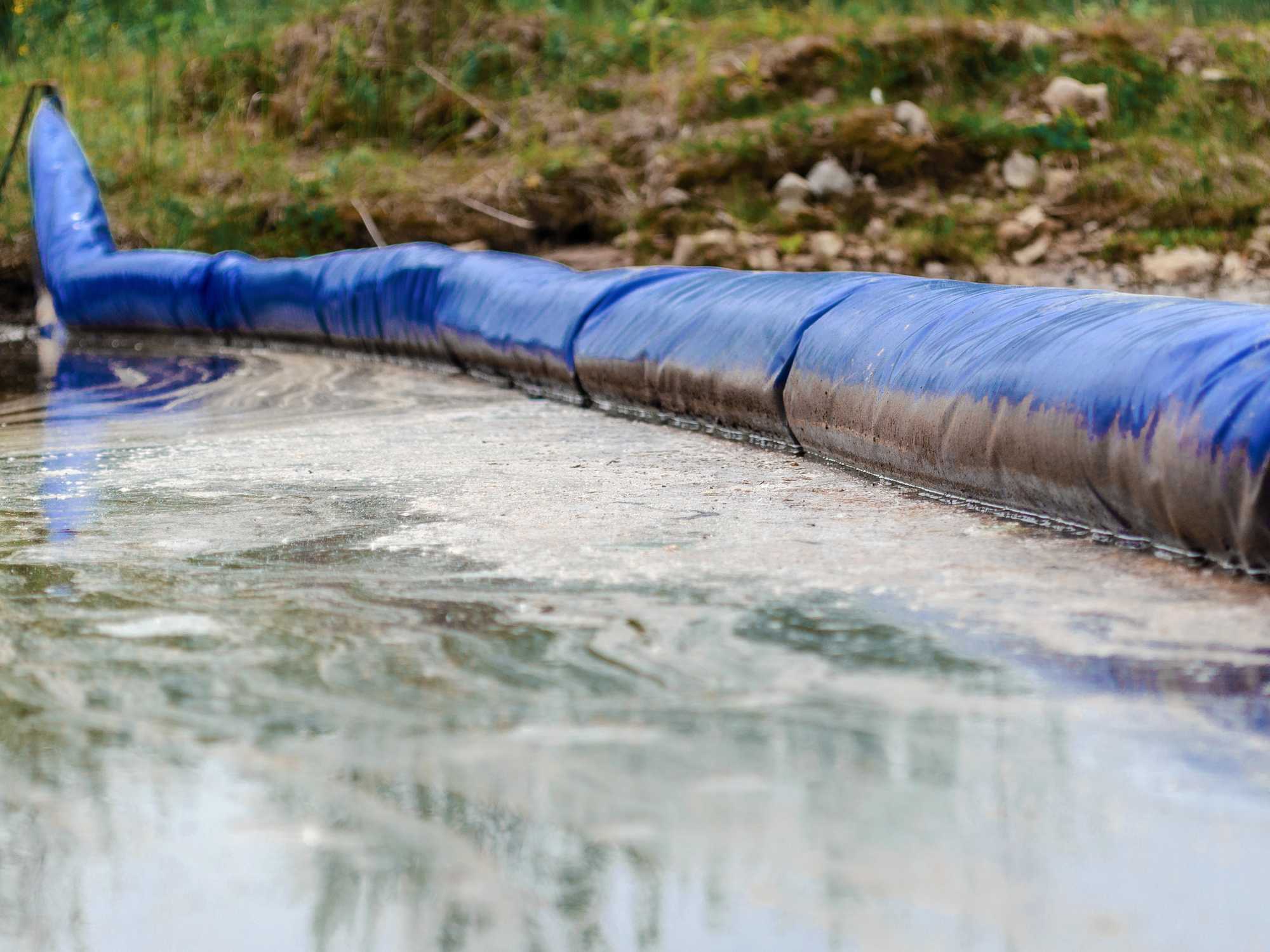
- There are three primary plans that a facility might have to help it contain an oil spill: a Facility Response Plan (FRP), a Spill Prevention, Control and Countermeasure (SPCC) Plan, and an Oil Spill Contingency Plan.
Spills can happen on land or in water, at any time of day or night, and in any weather condition. Preventing oil spills is the best strategy for avoiding potential damage to human health and the environment. However, once a spill occurs, the best approach for containing and controlling the spill is to respond immediately and in a well-organized manner. A response will be quick and organized if response measures have been planned ahead of time. From a federal Environmental Protection Agency (EPA) standpoint, three primary plans come to mind:
Facility Response Plan (FRP) — If covered by Part 112.20 and 112.21, the Facility Response Plan (FRP) approved by the EPA Regional Office will be available consistent with the requirements of the National Contingency Plan (NCP), applicable Area Contingency Plans, and local emergency plans developed by local emergency planning committees (LEPCs) under Emergency Planning and Community Right-to-Know Act (EPCRA) section 303 (see 112.20(g)(1)). Appendix F to Part 112 offers a model FRP.
Spill Prevention, Control, and Countermeasure (SPCC) Plan — If covered by Part 112, the Spill Prevention, Control, and Countermeasure (SPCC) Plan will include countermeasures for discharge discovery, response, and cleanup (both the facility’s capability and those that might be required of a contractor); methods of disposal of recovered materials in accordance with applicable legal requirements; and a contact list and phone numbers for the facility response coordinator, National Response Center (NRC), cleanup contractors with whom the facility has an agreement for response, and all appropriate federal, state, and local agencies who must be contacted in case of a discharge as described in paragraph 112.1(b).
Oil Spill Contingency Plan — Unless an FRP has been submitted under 112.20, an owner or operator who determines that secondary containment is impracticable must include with the SPCC Plan an Oil Spill Contingency Plan following the provisions of Part 109 (Criteria for State, Local, and Regional Oil Removal Contingency Plans) and a written commitment of manpower, equipment, and materials required to expeditiously control and remove any quantity of oil that may be harmful (112.7(d)). The requirements for the content of these contingency plans are given in Part 109.
Other response plans at the facility level may be required under other federal, state, or local requirements.