Compliance Just Got Easier: Stay ahead of regulatory changes with instant notifications on updates that matter.
['Waste']
['Waste Generators', 'Waste Identification', 'Hazardous Waste', 'Satellite Accumulation', 'Waste', 'Incompatible Wastes', 'Waste Management']
08/29/2024

Copyright 2026 J. J. Keller & Associate, Inc. For re-use options please contact copyright@jjkeller.com or call 800-558-5011.
:
|
InstituteHazardous WasteWaste IdentificationWaste GeneratorsWaste/HazWasteWasteIn Depth (Level 3)EnglishIncompatible WastesSatellite AccumulationWasteWaste ManagementEnvironmentalAnalysisFocus AreaUSA
Central accumulation areas and satellite accumulation areas
['Waste']
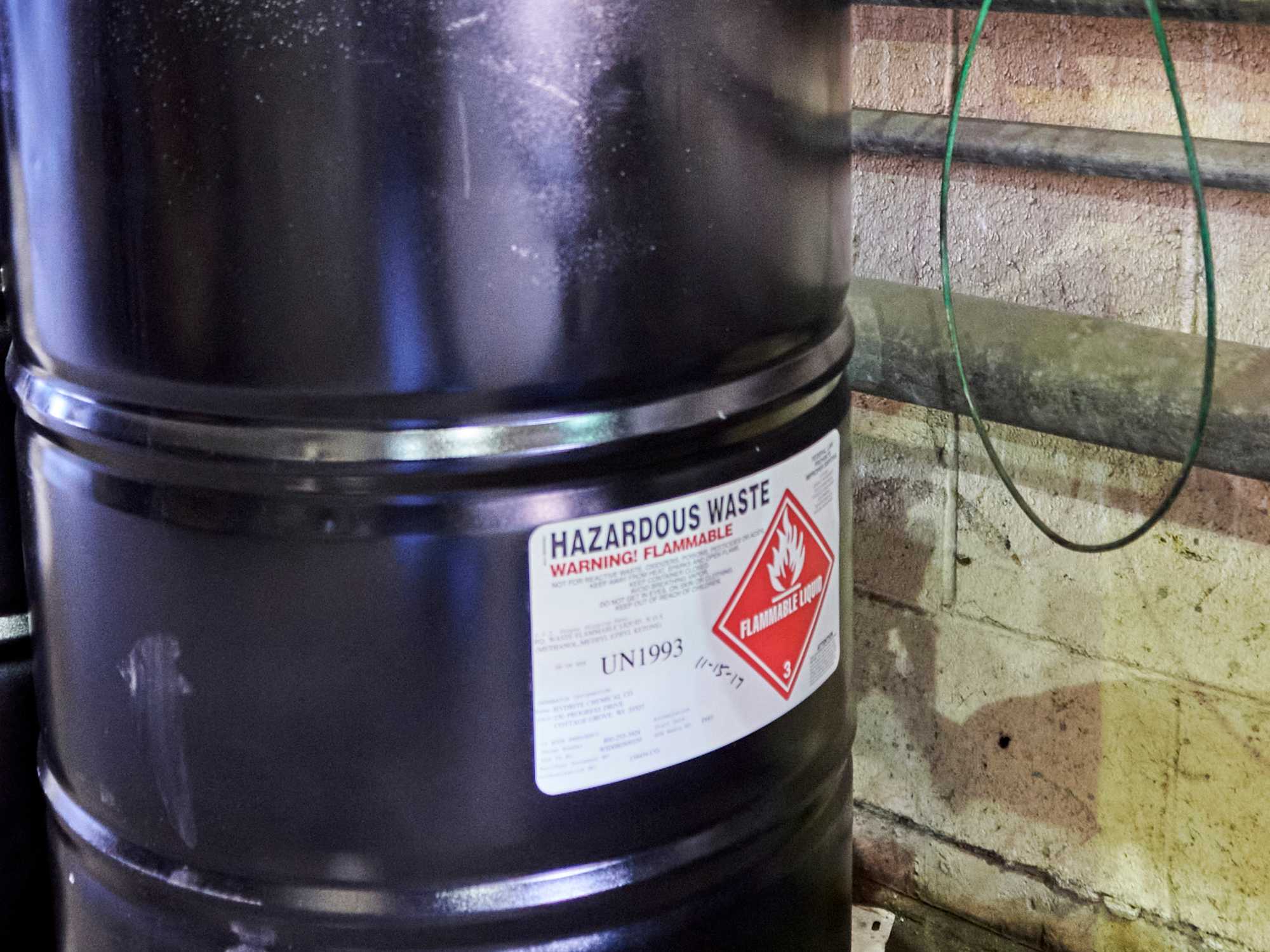
- SAAs allow a facility to accumulate up to 55 gallons of hazardous waste, or up to one quart of liquid or 2.2 pounds of solid acute hazardous waste, in containers at or near any point of generation where waste initially accumulates before moving the waste to the CAA.
- Waste may only move from an SAA to a CAA.
A central accumulation area (CAA) means any onsite hazardous waste accumulation area with hazardous waste accumulating in units subject to either 262.16 (for small quantity generators (SQGs)) or 262.17 (for large quantity generators (LQGs)).
Satellite accumulation areas (SAAs) allow a facility to accumulate up to 55 gallons of hazardous waste, or up to one quart of liquid or 2.2 pounds of solid acute hazardous waste, in containers at or near any point of generation where waste initially accumulates before moving the waste to the CAA.
For decades, generators used SAAs onsite, but the regulations covering them were hidden among many other regulations. After listening to feedback from generators, the Environmental Protection Agency (EPA) added 262.15 to the regulations to address SAAs.
The following rules apply to SAAs:
- The waste must be in the control of the operator of the process generating the waste.
- A facility may have more than one waste accumulating in an SAA; however, the facility may not have more than 55 gallons of waste (or one quart of liquid acute hazardous waste or 2.2 pounds of solid acute hazardous waste) in an SAA.
- Containers must be kept closed except when adding or removing waste, or when temporary venting of a container is necessary, or the container must remain open for proper operation or to prevent a dangerous situation such as the buildup of extreme pressure.
- Mark the container “Hazardous Waste” or otherwise identify its contents and indicate the hazards of the waste. The start date does not need to be included.
- There is no time limit on an SAA, but once the 55-gallon limit is reached, mark the excess with the start date (the date the company began accumulating the excess waste) and either begin complying with the CAA regulations for the generator category, move the excess to a CAA, or ship the waste offsite within three days.
- Mark the date the waste reaches the CAA on the container as the accumulation start date. In reality, this gives LQGs up to 93 days, and SQGs up to 183 days, to ship the waste offsite.
- All SAAs operated by LQGs must meet emergency preparedness regulations.
- The same requirements that apply to incompatible wastes in CAAs apply to SAAs.
The regulations do not limit the number of SAAs a company may have onsite, but the company may not move waste from one SAA to another SAA. Waste may only move from an SAA to a CAA.
Finally, count waste generated in an SAA toward monthly generator totals.
:
waste
waste
FOUNDATIONAL LEARNING
Central accumulation areas and satellite accumulation areas
InstituteHazardous WasteWaste IdentificationWaste GeneratorsWaste/HazWasteWasteIn Depth (Level 3)EnglishIncompatible WastesSatellite AccumulationWasteWaste ManagementEnvironmentalAnalysisFocus AreaUSA
['Waste']
- SAAs allow a facility to accumulate up to 55 gallons of hazardous waste, or up to one quart of liquid or 2.2 pounds of solid acute hazardous waste, in containers at or near any point of generation where waste initially accumulates before moving the waste to the CAA.
- Waste may only move from an SAA to a CAA.
A central accumulation area (CAA) means any onsite hazardous waste accumulation area with hazardous waste accumulating in units subject to either 262.16 (for small quantity generators (SQGs)) or 262.17 (for large quantity generators (LQGs)).
Satellite accumulation areas (SAAs) allow a facility to accumulate up to 55 gallons of hazardous waste, or up to one quart of liquid or 2.2 pounds of solid acute hazardous waste, in containers at or near any point of generation where waste initially accumulates before moving the waste to the CAA.
For decades, generators used SAAs onsite, but the regulations covering them were hidden among many other regulations. After listening to feedback from generators, the Environmental Protection Agency (EPA) added 262.15 to the regulations to address SAAs.
The following rules apply to SAAs:
- The waste must be in the control of the operator of the process generating the waste.
- A facility may have more than one waste accumulating in an SAA; however, the facility may not have more than 55 gallons of waste (or one quart of liquid acute hazardous waste or 2.2 pounds of solid acute hazardous waste) in an SAA.
- Containers must be kept closed except when adding or removing waste, or when temporary venting of a container is necessary, or the container must remain open for proper operation or to prevent a dangerous situation such as the buildup of extreme pressure.
- Mark the container “Hazardous Waste” or otherwise identify its contents and indicate the hazards of the waste. The start date does not need to be included.
- There is no time limit on an SAA, but once the 55-gallon limit is reached, mark the excess with the start date (the date the company began accumulating the excess waste) and either begin complying with the CAA regulations for the generator category, move the excess to a CAA, or ship the waste offsite within three days.
- Mark the date the waste reaches the CAA on the container as the accumulation start date. In reality, this gives LQGs up to 93 days, and SQGs up to 183 days, to ship the waste offsite.
- All SAAs operated by LQGs must meet emergency preparedness regulations.
- The same requirements that apply to incompatible wastes in CAAs apply to SAAs.
The regulations do not limit the number of SAAs a company may have onsite, but the company may not move waste from one SAA to another SAA. Waste may only move from an SAA to a CAA.
Finally, count waste generated in an SAA toward monthly generator totals.
2657010935
2657010565
UPGRADE TO CONTINUE READING
RELATED TOPICS
J. J. Keller is the trusted source for DOT / Transportation, OSHA / Workplace Safety, Human Resources, Construction Safety and Hazmat / Hazardous Materials regulation compliance products and services. J. J. Keller helps you increase safety awareness, reduce risk, follow best practices, improve safety training, and stay current with changing regulations.
Copyright 2026 J. J. Keller & Associate, Inc. For re-use options please contact copyright@jjkeller.com or call 800-558-5011.