
CA Heavy-Duty In-Use Compliance Program
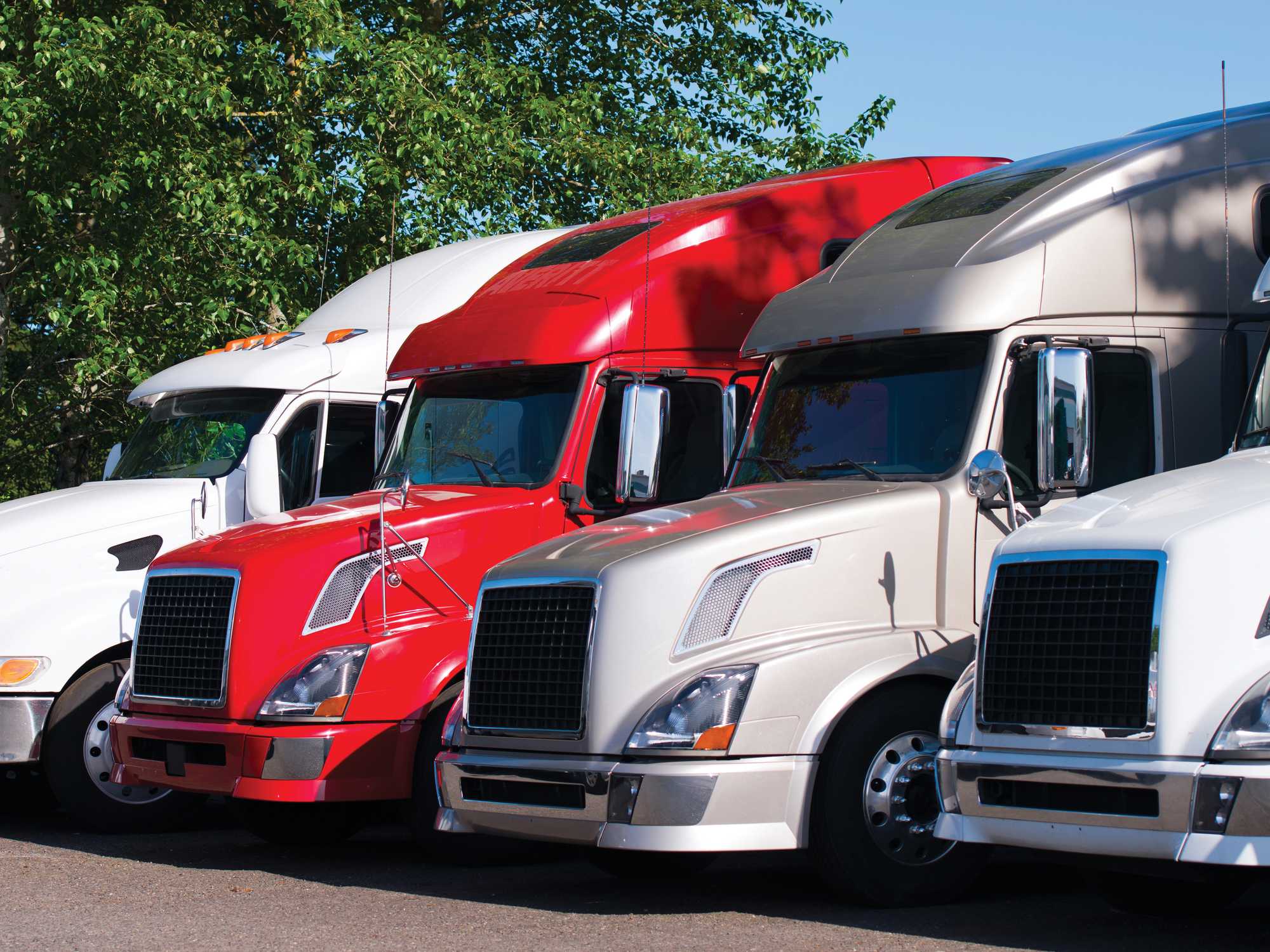
The Heavy-Duty In-Use Compliance Program (or HDIUC) is intended to determine if engine families operating on the roadways in California are meeting the emissions standards they were designed to meet. As an example, if the vehicle has a model year (MY) 2020 engine, the emissions testing under this program is done to verify the vehicle is still in compliance with the emissions standards applicable to a MY 2020 engine.
Participation in this program is voluntary. Vehicles and companies are selected at random. If selected, the company will be contacted by CARB, and details about the testing process and participation will be discussed.
The testing process involves:
- Inspecting the emissions components on the vehicle (to verify they have not been altered or tampered with),
- Downloading onboard diagnostic (OBD) data (to confirm the engine is operating as designed), and
- Fitting the vehicle with a portable emission measurement system (PEMS).
The vehicle is then operated on routes used by large freight-carrying trucks. The data from the PEMS is then collected and used to determine if the engine was operating within the appropriate emissions standards. After several vehicles with engines from the same engine family have been tested, CARB will determine if the engine family is meeting the applicable emissions standards.
If a family of engines is found to be noncompliant, CARB will work with the manufacturer to correct the discovered issues. Vehicle owners will then receive a recall notice, so vehicles with that engine family can be repaired (at no cost to the owners) and brought back into compliance.
This program is separate from the similarly named Heavy-Duty Vehicle Inspection Program (HDVIP). The HDVIP is a roadside inspection program that determines if a specific vehicle is in compliance with the applicable emissions standards. When a vehicle is selected for an inspection under the HDVIP, participation is mandatory. Vehicles are normally selected for a roadside emissions inspection under the HDVIP due to evidence of possible emissions violations (such as discharging black soot in the exhaust).