Compliance Just Got Easier: Stay ahead of regulatory changes with instant notifications on updates that matter.
['Air Programs']
['Air Emissions', 'Mobile Emission Sources', 'Air Quality', 'Air Programs']
12/02/2025

Copyright 2026 J. J. Keller & Associate, Inc. For re-use options please contact copyright@jjkeller.com or call 800-558-5011.
:
|
InstituteAir QualityAir EmissionsIn Depth Sub Topics (Level 4)CaliforniaMobile Emission SourcesCAA ComplianceFocus AreaEnvironmentalEnglishAnalysisAir ProgramsAir Programs
CA Enforcement of Clean Truck Check HD I/M Regulation
['Air Programs']
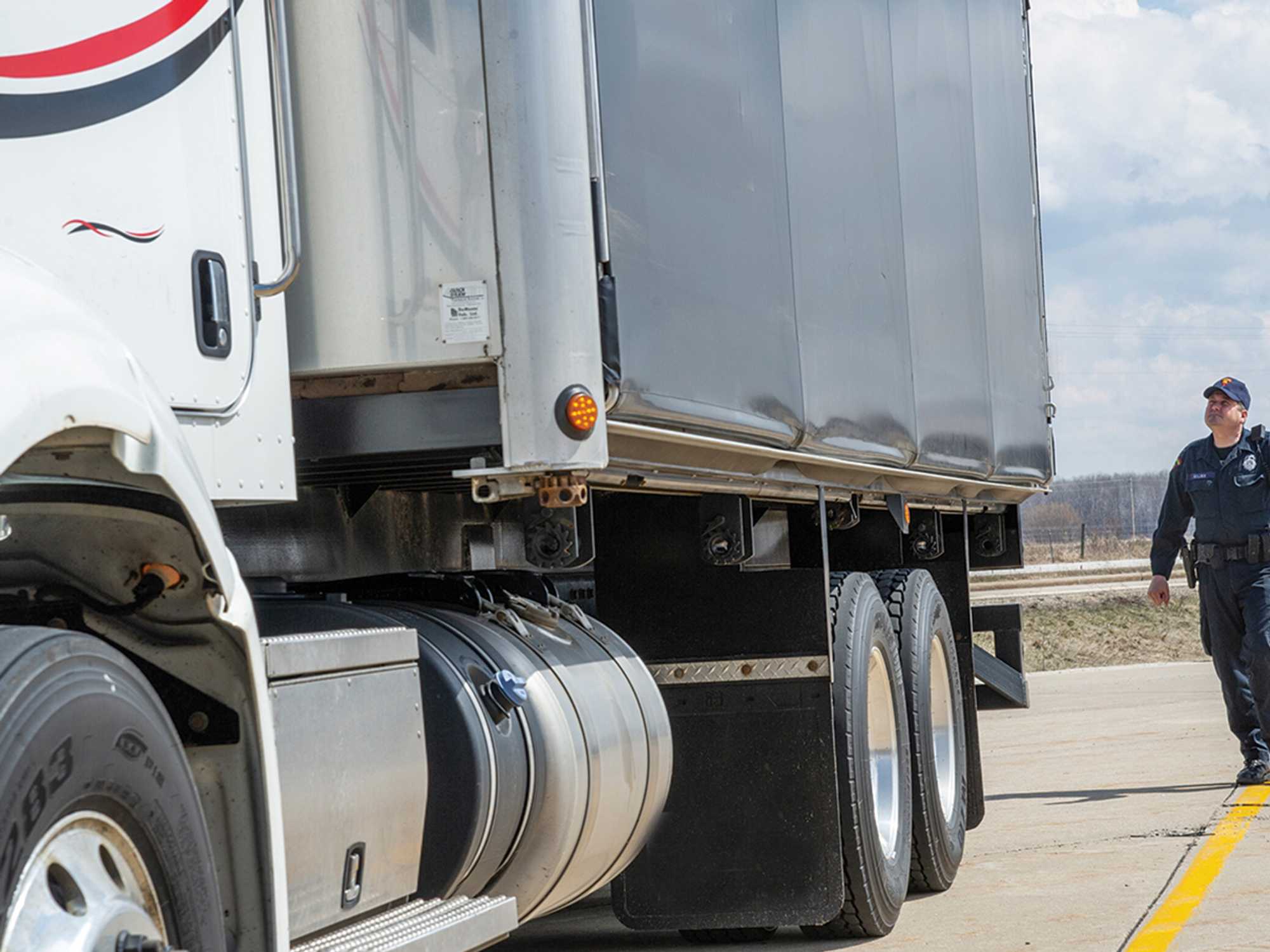
- California’s Clean Truck Check program combines periodic vehicle testing requirements, other emissions monitoring techniques, and expanded enforcement strategies to identify vehicles in need of emissions-related repairs and ensure any needed repairs are performed.
- Clean Truck Check applies to nearly all diesel and alternative fuel heavy-duty vehicles with a gross vehicle weight rating (GVWR) of over 14,000 pounds that operate on California public roads, including both in-state and out-of-state vehicles.
The California Air Resources Board's (CARB's) enforcement of the Clean Truck Check program (originally known as the Heavy-Duty Inspection and Maintenance regulation, or HD I/M, regulation) began in January 2023. The program is intended to:
- Ensure that polluting, poorly maintained heavy-duty vehicles operating in California are quickly identified and repaired; and
- Promote a level playing field for businesses that operate compliant vehicles.
The Clean Truck Check (CTC) program applies to nearly all diesel and alternative fuel trucks and buses with a GVWR over 14,000 pounds operating on-road in California, including:
- Out-of-state and out-of-country vehicles,
- California-registered motorhomes, and
- Agricultural vehicles.
Owners of covered vehicles are required to:
- Report vehicles in the Clean Truck Check–Vehicle Inspection System (CTC-VIS),
- Pay the annual compliance fee, and
- Submit passing emissions by the applicable deadline.
Vehicle owners, operators, freight contractors, seaports, and railyards may become engaged in enforcement actions as a result of inspections, tests, or audits of vehicles, engines, and records.
Potential enforcement actions
Compliance with the regulation prior to enforcement can help avoid enforcement actions, which may include:
- Vehicle registration holds;
- Citations, penalties, or fines; and
- Possible public posting of settlements.
CA Department of Motor Vehicle registration holds are automatically placed on vehicles that are not compliant with CTC requirements.
Vehicles found to be in violation of this regulation are subject to removal from service by the Department of the California Highway Patrol if requested by a CARB inspector and if one or more unresolved citations issued under the program (13 Cal. Code Regs. Section 2198.2(b)(1)) exist at the time of inspection.
Any violation of the requirements may result in citations and penalties. The registered owner, vehicle operator, freight contractor, or other entity that receives a citation will have 45 calendar days (75 calendar days for owners of agricultural vehicles) to submit the applicable demonstration of compliance and any applicable penalties.
Steps to compliance
The CTC program requires all non-gasoline-powered vehicles that operate in California with a GVWR of 14,001 pounds or more to be registered in CARB’s CTC-VIS database. Part of registering includes paying a per-vehicle annual compliance fee.
This program also requires vehicle owners or operators to upload onboard diagnostic (OBD) data to CARB, proving that the vehicle is operating within its designed emissions parameters. The submission due dates are based on:
- The vehicle's plate expiration date if registered/plated in California, or
- The last digit of the vehicle identification number (or VIN) if registered/plated in another state.
In addition to routine testing and reporting, the owner of a vehicle passing through a roadside emissions monitoring device that meets at least one of the criteria specified in Section 2196.5(a) will receive a Notice to Submit to Testing. The owner will have 30 calendar days to submit a demonstration of compliance (specified in Section 2198.2(f)).
Failure to provide the demonstration of compliance by the due date may result in a violation.
Freight contractors, brokers, and freight facilities
The regulation requires freight contractors, brokers, and certain freight facilities to verify fleet compliance prior to doing business with companies or allowing them onto their property.
Brokers and freight contractors, including shippers, receivers, carriers, or governmental agencies, are also required to obtain copies of compliance documentation and maintain records of contracts with those they do business with in California.
Freight contractors must:
- Only contract with compliant vehicles or fleets, and
- Comply with applicable recordkeeping requirements.
Brokers:
- May only arrange transportation within California through motor carriers with compliant vehicles or fleets, and
- Must comply with the recordkeeping requirements.
CARB staff and peace officers have the right to enter freight contractor and broker facilities or sites (or request information) to verify compliance with the CTC recordkeeping requirements.
:
air-programs
air-programs
FOUNDATIONAL LEARNING
CA Enforcement of Clean Truck Check HD I/M Regulation
InstituteAir QualityAir EmissionsIn Depth Sub Topics (Level 4)CaliforniaMobile Emission SourcesCAA ComplianceFocus AreaEnvironmentalEnglishAnalysisAir ProgramsAir Programs
['Air Programs']
- California’s Clean Truck Check program combines periodic vehicle testing requirements, other emissions monitoring techniques, and expanded enforcement strategies to identify vehicles in need of emissions-related repairs and ensure any needed repairs are performed.
- Clean Truck Check applies to nearly all diesel and alternative fuel heavy-duty vehicles with a gross vehicle weight rating (GVWR) of over 14,000 pounds that operate on California public roads, including both in-state and out-of-state vehicles.
The California Air Resources Board's (CARB's) enforcement of the Clean Truck Check program (originally known as the Heavy-Duty Inspection and Maintenance regulation, or HD I/M, regulation) began in January 2023. The program is intended to:
- Ensure that polluting, poorly maintained heavy-duty vehicles operating in California are quickly identified and repaired; and
- Promote a level playing field for businesses that operate compliant vehicles.
The Clean Truck Check (CTC) program applies to nearly all diesel and alternative fuel trucks and buses with a GVWR over 14,000 pounds operating on-road in California, including:
- Out-of-state and out-of-country vehicles,
- California-registered motorhomes, and
- Agricultural vehicles.
Owners of covered vehicles are required to:
- Report vehicles in the Clean Truck Check–Vehicle Inspection System (CTC-VIS),
- Pay the annual compliance fee, and
- Submit passing emissions by the applicable deadline.
Vehicle owners, operators, freight contractors, seaports, and railyards may become engaged in enforcement actions as a result of inspections, tests, or audits of vehicles, engines, and records.
Potential enforcement actions
Compliance with the regulation prior to enforcement can help avoid enforcement actions, which may include:
- Vehicle registration holds;
- Citations, penalties, or fines; and
- Possible public posting of settlements.
CA Department of Motor Vehicle registration holds are automatically placed on vehicles that are not compliant with CTC requirements.
Vehicles found to be in violation of this regulation are subject to removal from service by the Department of the California Highway Patrol if requested by a CARB inspector and if one or more unresolved citations issued under the program (13 Cal. Code Regs. Section 2198.2(b)(1)) exist at the time of inspection.
Any violation of the requirements may result in citations and penalties. The registered owner, vehicle operator, freight contractor, or other entity that receives a citation will have 45 calendar days (75 calendar days for owners of agricultural vehicles) to submit the applicable demonstration of compliance and any applicable penalties.
Steps to compliance
The CTC program requires all non-gasoline-powered vehicles that operate in California with a GVWR of 14,001 pounds or more to be registered in CARB’s CTC-VIS database. Part of registering includes paying a per-vehicle annual compliance fee.
This program also requires vehicle owners or operators to upload onboard diagnostic (OBD) data to CARB, proving that the vehicle is operating within its designed emissions parameters. The submission due dates are based on:
- The vehicle's plate expiration date if registered/plated in California, or
- The last digit of the vehicle identification number (or VIN) if registered/plated in another state.
In addition to routine testing and reporting, the owner of a vehicle passing through a roadside emissions monitoring device that meets at least one of the criteria specified in Section 2196.5(a) will receive a Notice to Submit to Testing. The owner will have 30 calendar days to submit a demonstration of compliance (specified in Section 2198.2(f)).
Failure to provide the demonstration of compliance by the due date may result in a violation.
Freight contractors, brokers, and freight facilities
The regulation requires freight contractors, brokers, and certain freight facilities to verify fleet compliance prior to doing business with companies or allowing them onto their property.
Brokers and freight contractors, including shippers, receivers, carriers, or governmental agencies, are also required to obtain copies of compliance documentation and maintain records of contracts with those they do business with in California.
Freight contractors must:
- Only contract with compliant vehicles or fleets, and
- Comply with applicable recordkeeping requirements.
Brokers:
- May only arrange transportation within California through motor carriers with compliant vehicles or fleets, and
- Must comply with the recordkeeping requirements.
CARB staff and peace officers have the right to enter freight contractor and broker facilities or sites (or request information) to verify compliance with the CTC recordkeeping requirements.
2671208718
2671208703
UPGRADE TO CONTINUE READING
RELATED TOPICS
J. J. Keller is the trusted source for DOT / Transportation, OSHA / Workplace Safety, Human Resources, Construction Safety and Hazmat / Hazardous Materials regulation compliance products and services. J. J. Keller helps you increase safety awareness, reduce risk, follow best practices, improve safety training, and stay current with changing regulations.
Copyright 2026 J. J. Keller & Associate, Inc. For re-use options please contact copyright@jjkeller.com or call 800-558-5011.