
CA Electric Vehicle Charging Infrastructure
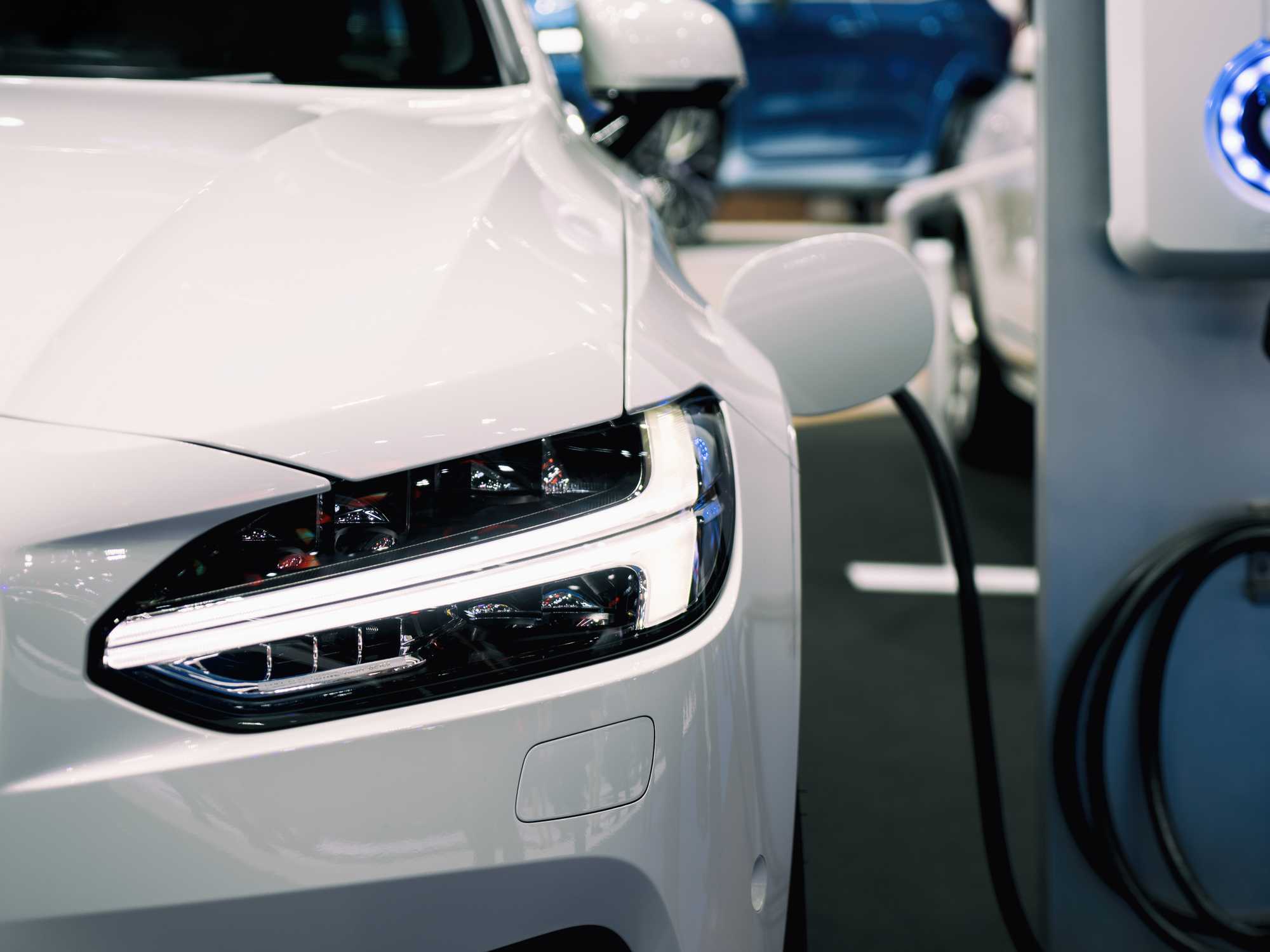
The California Electric Infrastructure Charging Station Program (CTIP), also known as the Clean Transportation Incentive Program, is a state-funded initiative in California. It provides financial incentives to businesses, government agencies, and individuals to install and operate EV charging stations. The goal of this program is to accelerate the adoption of EVs by making it easier and more affordable for people to charge their vehicles.
The Electric Vehicle Supply Equipment (EVSE or EV Charging Station) Standards Regulation, which implements the Electric Vehicle Charging Stations Open Access Act, sets the requirements for public EV charging stations.
The program ensures that all locations of public EV chargers:
- Can be found through mapping tools,
- Post the costs associated with charging and parking,
- Don’t require a membership to use, and
- Provide multiple payment methods.
EVSE labeling requirements include the following:
- If the EVSE requires payment for use, the electric vehicle service provider (EVSP) must disclose the applicable information at the point of sale:
- A fee for use of the parking space;
- A nonmember plug-in fee from the EVSP;
- The price to refuel in U.S. dollars per kilowatt-hour or megajoule;
- Any potential changes in the price to refuel, in U.S. dollars per kilowatt-hour or megajoule, due to variable pricing (which may be specified as a range of prices); and
- Any other fees charged for a refueling session.
- The EVSE must have a credit card reader device physically located on either the EVSE or a kiosk used to service the EVSE..
- The EVSP must provide and display a toll-free number on each EVSE or kiosk used to service that EVSE that allows users to initiate a charging session and submit payment at any time that the EVSE is operational and publicly available.
- The EVSP may not require a subscription or membership to initiate a charging session for an EVSE subject to this section.
About the regulations
On July 10, 2023, a new law was passed called Senate Bill 123 (SB 123). This law made some changes to an earlier law, SB 454, also known as the Electric Vehicle Charging Stations Open Access Act.
It aligns the requirements of the EVSE Standards Regulation with the federal funding requirements of the National Electric Vehicle Infrastructure (NEVI) Program, which was set up in 2022. In addition, SB 123 allows the California Energy Commission (CEC) to create a new rule that will replace the current rule adopted by CARB. Until the CEC sets a new regulation, SB 123 gives CARB the power to change and enforce the rule in line with the new law.
The new SB 123 law took effect shortly after it became mandatory for new Level 2 AC chargers in California to have an EMV chip reader. From now on, CARB will make sure that the payment hardware requirements described in SB 123 are met. For instance, if any Level 2 charging stations were installed after July 1, 2023, without an EMV chip reader required by the current EVSE Standards Regulation, CARB won’t enforce the chip reader requirement for those stations because SB 123 doesn’t require it.
SB 123 is the law and takes precedence over CARB's EVSE Standards Regulation. CARB is currently looking into any other impacts the new law might have on the current EVSE Standards Regulation and may make changes to the EVSE Standards Regulation in the future for more clarity until the CEC sets a new rule.