
CA Diesel Enforcement
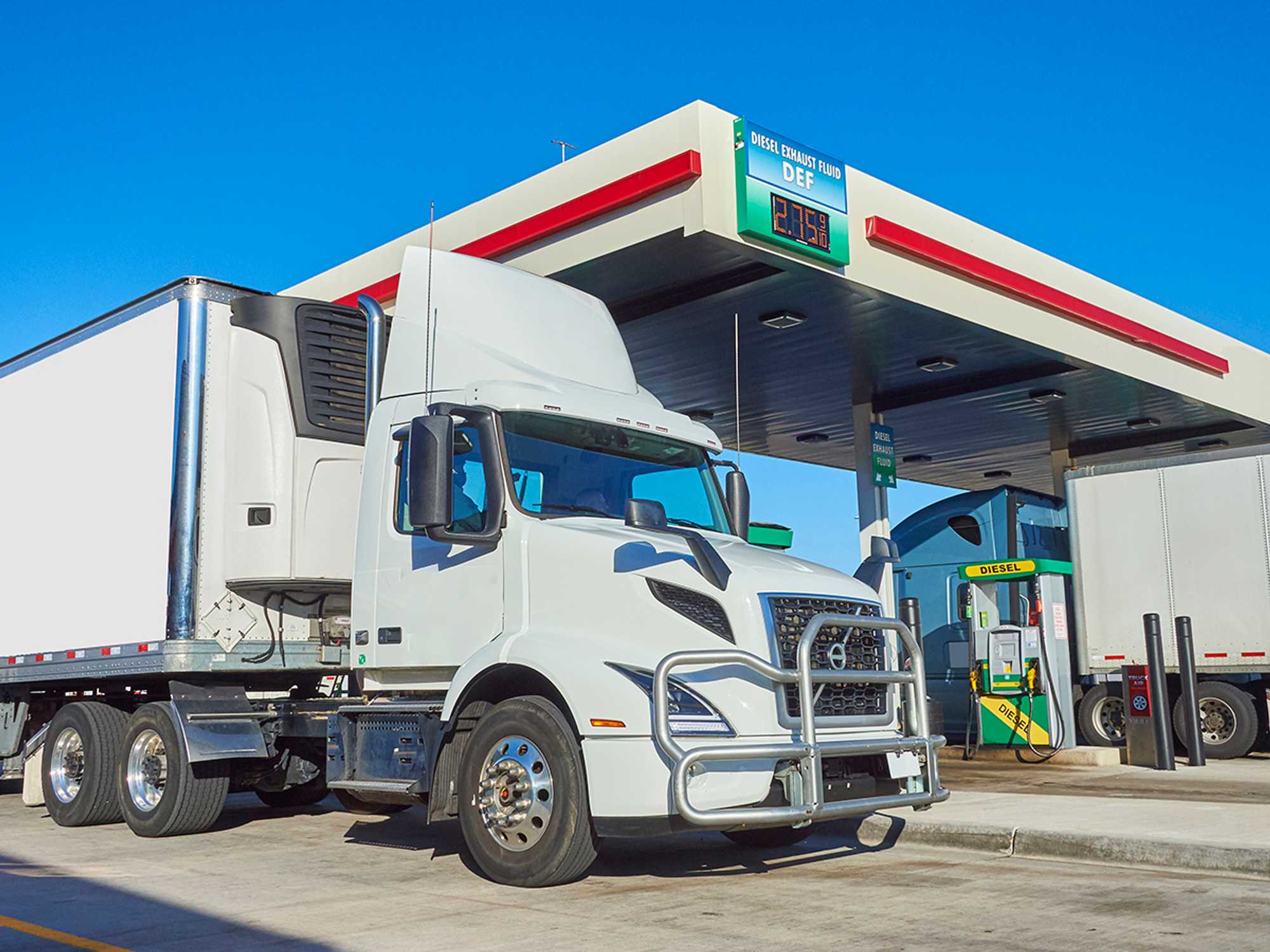
The California Air Resources Board (CARB) adopts a compliance-focused strategy to identify and tackle the most significant instances of noncompliance. This approach is complemented by effective deterrent measures to encourage adherence to regulations. CARB is actively investing in and improving technologies to enhance the detection of emission sources. For instance, the Portable Emissions Acquisition System (or PEAQS) is a mobile emissions monitoring device that identifies high-emitting vehicles in real time. These initiatives not only ensure compliance but also support CARB's commitment to environmental justice by providing communities with valuable information to advocate for positive change.
Under the CARB diesel enforcement (CDE) programs, drivers are required to comply with various regulations related to diesel emissions and vehicle maintenance. Here are some key requirements:
- Periodic Smoke Inspection Program (or PSIP): Diesel-powered vehicles with a Gross Vehicle Weight Rating (GVWR) of 6,001 pounds or more are subject to annual emissions inspections once the vehicle is four years old. Certain vehicles with a GVWR of 6,001 to 14,000 pounds may be eligible for every-other-year testing.
- Heavy-Duty Diesel Vehicle Inspection Program (or HDVIP): Heavy-duty diesel vehicles operating in California can be inspected at any time to ensure they meet the emissions standards that were in place when the engine was manufactured. The inspection also includes verifying the presence and integrity of required emission control system components.
- Idling Reduction Program: Idling of heavy-duty vehicles is limited to no more than five minutes in California. Vehicles with a model year 2008 or newer engine must have an automatic shutdown feature that turns off the engine after five minutes of idling, with some exceptions.
- Transport Refrigeration Units (TRUs): TRUs, which are refrigeration systems powered by diesel engines used in the transportation of goods, must meet specific emissions standards. This includes limiting emissions to 0.02 grams per brake horsepower-hour or being equipped with an emission system meeting the Level 3 verified diesel emission control strategy (or VDECS) retrofit standards.
Impact
CARB's CDE programs have successfully reduced diesel emissions, improving air quality and protecting public health. They've also promoted cleaner diesel technologies and supported the adoption of alternative fuels.
Challenges and future directions
CARB faces challenges such as the need for ongoing inspections and staying ahead of emerging technologies. Future directions may include expanding its focus to newer diesel technologies and continuing to promote education and outreach.